



 Plastic Sheet
 Food Containers
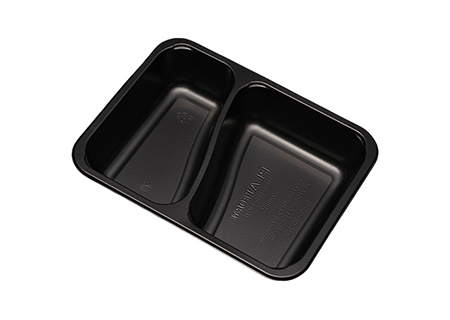
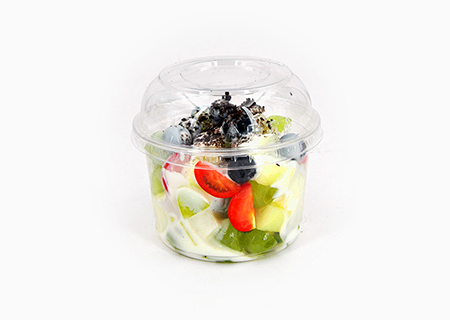
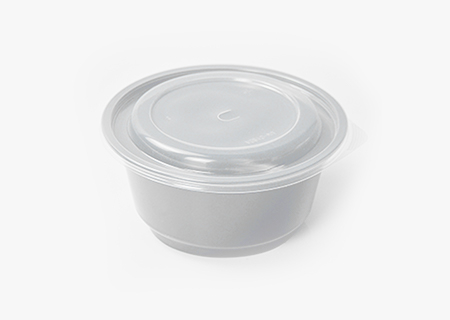
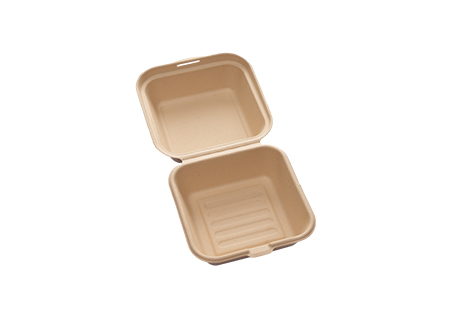
 Sealing Film


How Does Food Packaging Affect Shelf Life and Product Freshness
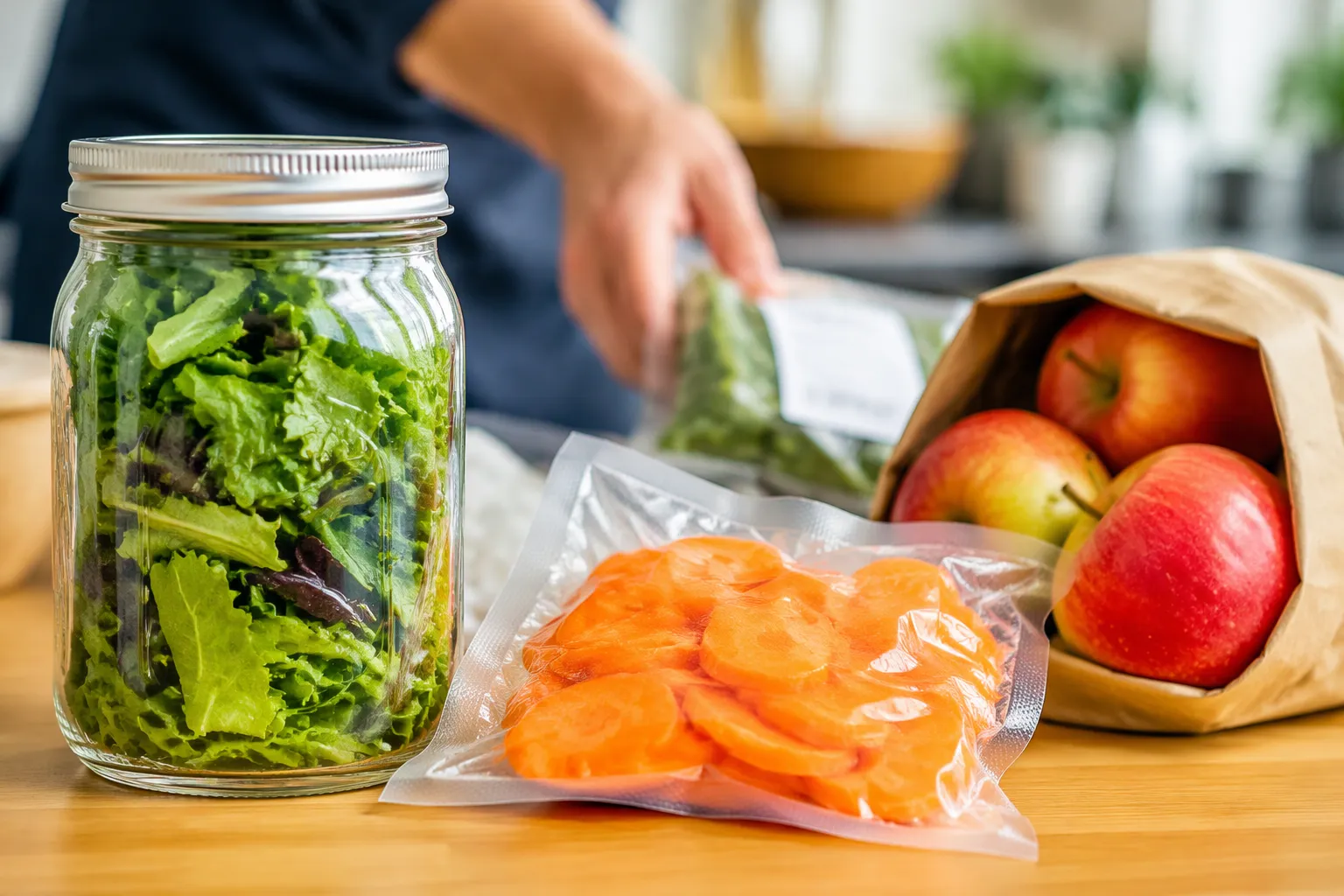
Freshness fails quietly. A snack turns rancid on the shelf, a ready meal leaks in transit, a bakery item stales before its date code, and the cause is usually the package rather than the kitchen. Food packaging and shelf life are joined by one mechanism: the package controls what reaches the product after the seal closes.
The threats are well documented:
Oxygen, which drives oxidation in fats, oils, nuts, snacks, and coffee
Moisture, which either softens crisp foods or dries out bakery items
Light, which degrades vitamins and pigments in milk and oils
Aroma loss, where volatile compounds escape and flavor fades
Physical damage, from crushing, punctures, and failed seals in transit
Packaging also blocks microbial and chemical contamination during storage, transport, and retail display. A barrier limits both outside influences and the product's own intrinsic deterioration, which is what makes the link between food packaging and shelf life measurable rather than accidental, and it is why a shelf life claim can be defended in an audit.
Key Takeaways
Five routes shorten freshness: oxygen, moisture, light, aroma loss, and physical damage.
Barrier structures and modified atmosphere packaging slow each route at a rate the buyer can test, and that test is what ties food packaging and shelf life to a date code.
OTR and WVTR figures only compare when the test conditions travel with them, so state the conditions before you quote a shelf life target.
A seal defect of 10–15 microns undoes a 24-month shelf life specification.
Packaging works with formulation, processing, and storage; it cannot rescue a warm warehouse or a leaking tray.
How Food Packaging Affects Shelf Life
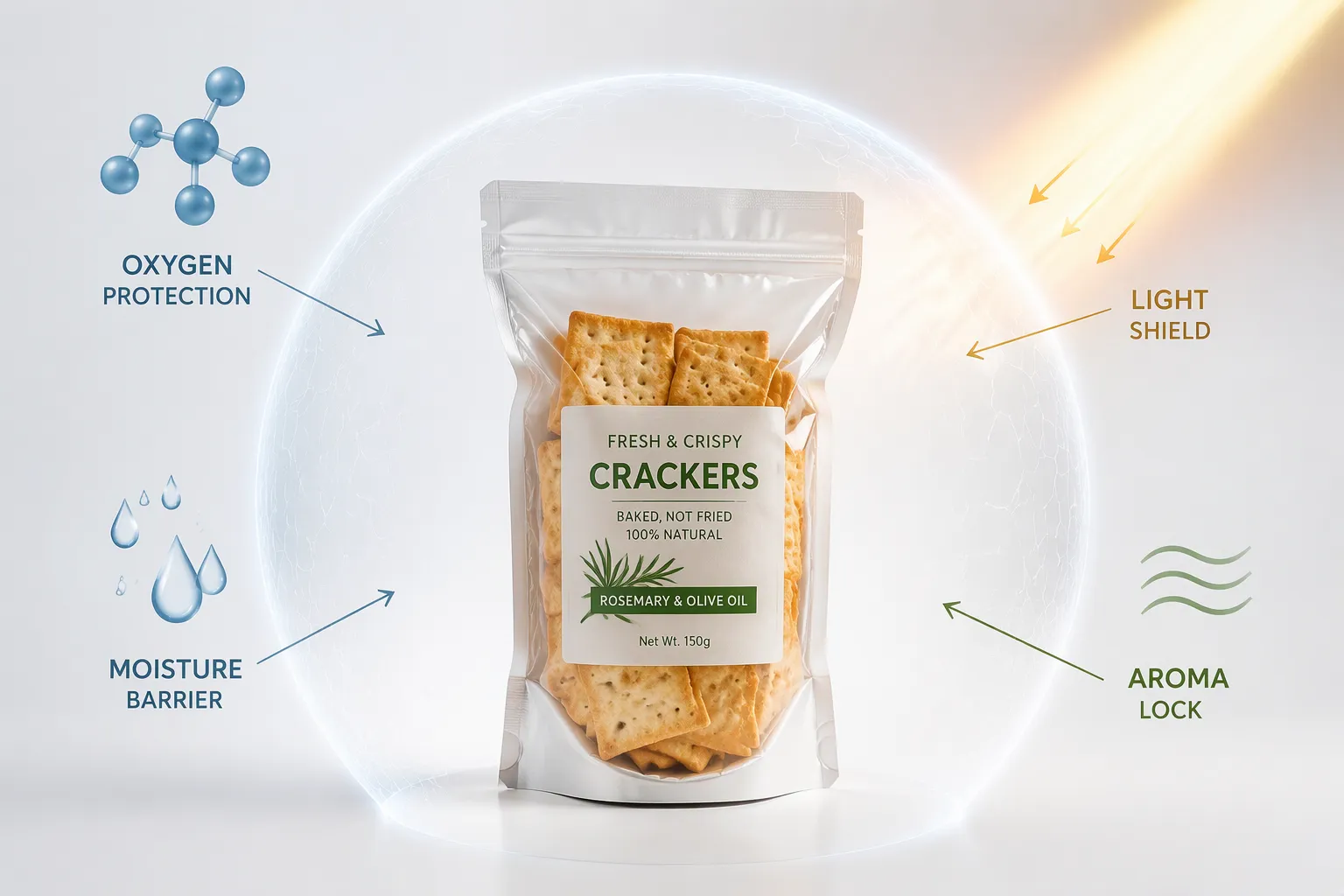
Five Threats to Freshness
Five degradation routes dominate freshness loss: oxygen, moisture, light, aroma loss, and physical damage. Temperature sits behind all five as an amplifier rather than a separate threat.
Oxygen promotes lipid oxidation, which produces rancid flavors and off-odors and breaks down the fat-soluble vitamins A, D, E, and K. In a nitrogen-flushed snack pack, the residual oxygen left after sealing sets the rate of that decline.
Moisture migration shifts water activity, the free water that supports microbial growth and enzymatic activity. Published water-activity thresholds are the working reference for formulators: most bacteria stop growing below 0.91 aw, molds and yeasts are generally inhibited below 0.70, and virtually all microbial growth ceases below 0.60. Non-enzymic browning peaks between 0.6 and 0.7 aw, while lipid oxidation runs slowest around 0.2–0.3 aw. Holding water activity at a chosen point lets a producer predict which microorganisms will spoil a product, keep chemical stability, restrain enzyme activity, and protect vitamins. The visible symptoms are familiar: crackers soften, bakery products stale, emulsions separate, and fresh-cut produce browns through enzymatic browning.
Light acts as an energy source that initiates or accelerates chemical reactions in the food matrix. It drives lipid peroxidation, degrades pigments such as chlorophylls and carotenoids, and destroys sensitive vitamins including A, riboflavin, and C.
Aroma loss is quieter but equally costly: volatile compounds escape through the package wall, and the product smells and tastes flat.
Physical damage is the fifth route and the easiest to leave off a specification sheet. A crushed corner, a puncture from a sharp product edge, or a seal that gives way under pallet compression opens every other threat at once.
Temperature amplifies all of them. Higher temperatures accelerate microbial growth and chemical reactions and raise enzyme activity, so a warm warehouse shortens shelf life even when the package itself is sound. Every route above runs faster at high temperature, which is why storage temperature belongs in any discussion of food packaging and shelf life.
How Barriers Counter Each Threat
Packaging barriers work by slowing the transmission of each threat rather than stopping it. Barrier properties define how well a material resists oxygen, moisture vapor, carbon dioxide, light, and aroma compounds, and high-barrier laminates built with foil, PVDC coatings, or aluminum oxide layers tighten those transmission rates together.
An oxygen barrier limits the oxygen available for oxidation, so a bag of potato chips keeps its flavor instead of turning rancid. A moisture barrier holds water activity steady, which keeps crackers crisp and stops powders from caking.
Light protection follows the same logic. A translucent dairy package that blocks visible light in the 415–455 nm range prevents light-induced off-flavors while still letting consumers see the product. Aroma retention relies on the same wall: aluminum foil and metallized films lock in volatiles, with foil suited to long-term preservation and metallized films to medium-term storage.
Active systems go further: oxygen scavengers absorb residual oxygen after sealing, moisture absorbers regulate internal humidity, antimicrobial agents inhibit growth on or near the film surface, and plant-derived antioxidants release gradually into the headspace. A published case for a gas-flushed master pouch below 0.1 percent oxygen, sealed with 40 to 60 percent carbon dioxide and held at −1 ℃, suppressed aerobic flora to fewer than 10³ CFU per gram and reached 20 to 35 days of shelf life, roughly double an air-packed control. That figure describes one product under one set of conditions, not a result another product can copy.
Barriers do not stop degradation entirely. They slow it enough that the relationship between food packaging and shelf life becomes predictable, and predictability is what lets a producer set a date code that holds.
Materials and Technologies That Extend Shelf Life
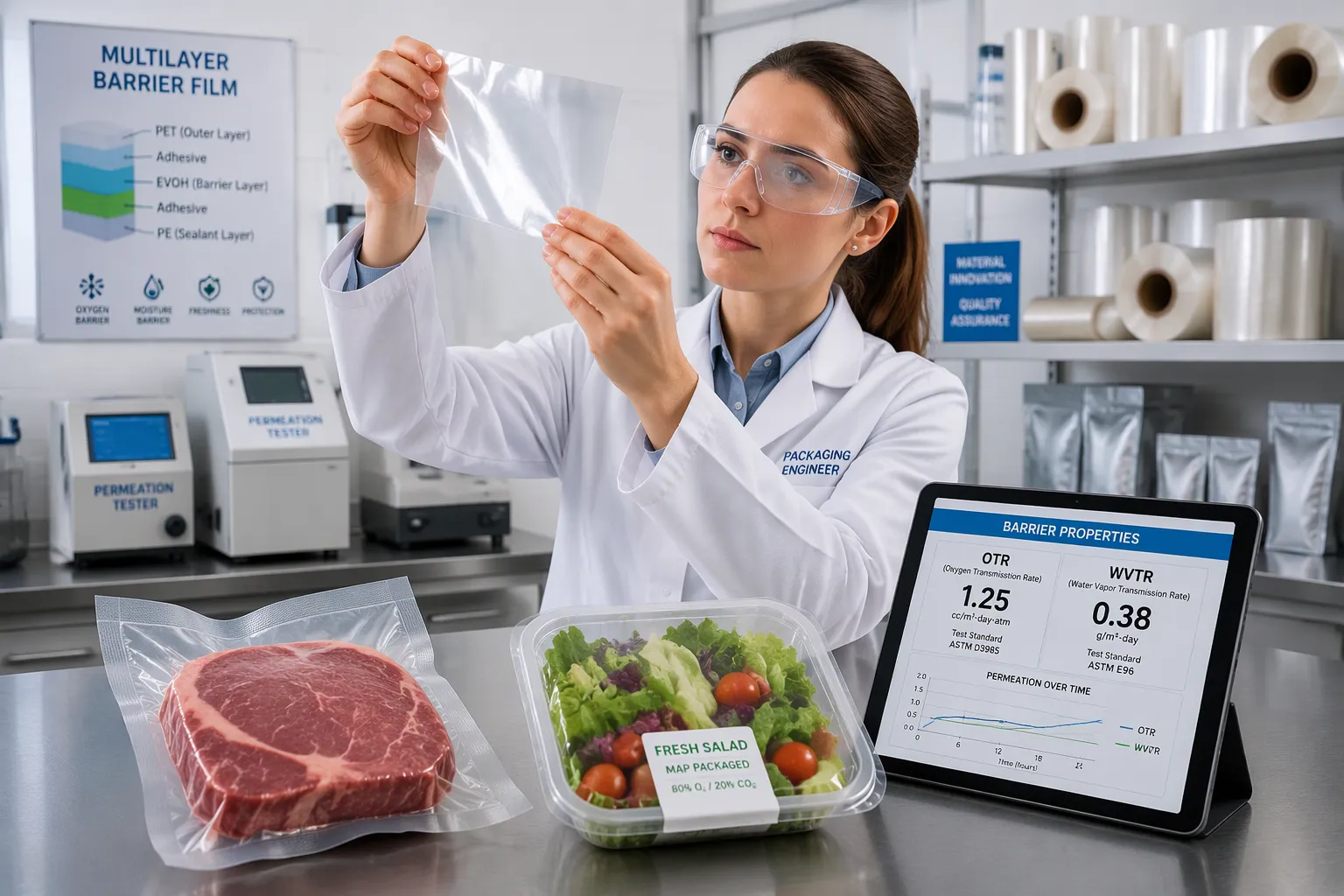
Material choice is where shelf life extension is won or lost, because every structure trades one barrier against another.
Barrier Films and OTR/WVTR
Two measurements tell buyers how well a film resists the main threats. Oxygen transmission rate, or OTR, reports how much oxygen passes through a given area of film per day. Water vapor transmission rate, or WVTR, reports how much moisture vapor crosses that same area per day. Lower values mean a tighter barrier.
Both numbers only compare when the test conditions travel with them. OTR is reported at 23 ℃ and 50 percent relative humidity, WVTR at 38 ℃ and 90 percent relative humidity, which corresponds to the older US convention of 100 °F and 90 percent RH. A figure quoted without conditions is a sales number, not an engineering one, and it will not survive a shelf life review.
Film structure | Typical OTR, cm³/(m²·day) at 23 ℃, 50% RH | What carries the barrier |
|---|---|---|
PET/PE laminate | 80–150 | Standard retail structure, thin barrier layer |
Metallized PET laminate | 0.8–2 | Vacuum-deposited aluminum layer |
Mono PP | 120–200 | Sealant and moisture barrier only |
Co-extruded PE/EVOH/PE | 0.5–5 | EVOH core, protected from moisture |
EVOH delivers an excellent oxygen barrier at thin core-layer thickness, yet humidity reduces its performance, so it is normally protected between PE, PP, or PA layers. PET and PA add structural strength and a moderate oxygen barrier, although PA loses part of that barrier as it takes up moisture. PE and PP serve as sealants and moisture barriers but allow more oxygen through. Published structures therefore land in different bands, and any figure should be confirmed against a supplier data sheet for the exact gauge being quoted.
WVTR follows a different pattern: biaxially oriented PP transmits about 3.9–6.2 g/(m²·day) for a 1 mil film at 100 °F and 90 percent RH, cast PP 9.3–11, biaxially oriented PET 16–20, and EVOH 22–124 depending on grade. WVTR is measured by ASTM F1249 for film or ASTM E96 for sheet and tray stock. Where the product is highly moisture-sensitive, metallized or foil-containing structures push WVTR below 1 g/(m²·day), which is the range a cracker or a dry mix actually needs. No single film wins on both measures, so structures are built in layers. Neither figure predicts a date code on its own; read together they show where a structure will fail first, which is the working basis for any food packaging and shelf life calculation.
Rigid Sheets, Trays, and Sealing Film
Thermoformed food packaging changes the arithmetic. A tray wall is far thicker than a film, so the sheet controls the base barrier and the sealing film controls the top. A 0.4–0.8 mm PP sheet carries moisture barrier, stiffness, and heat resistance for ready meals. An EVOH-containing sheet puts oxygen barrier into the wall itself. A CPET sheet holds shape from −40 ℃ up to 220 ℃, which is what makes a freezer-to-oven meal possible without giving up shelf life.
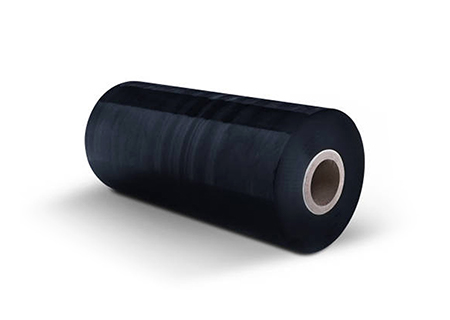
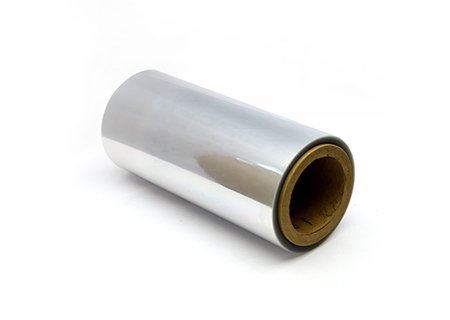
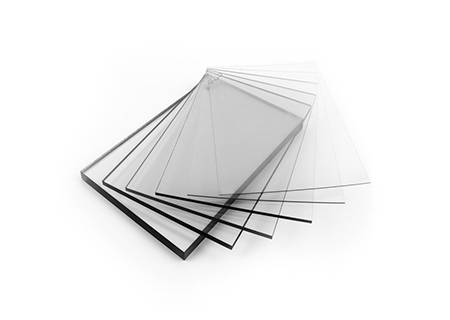
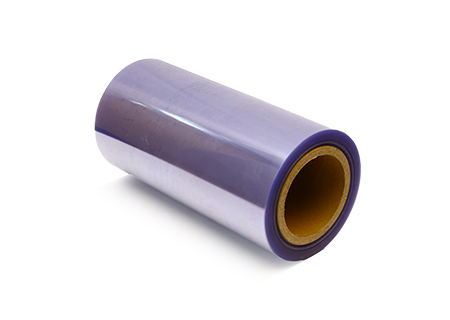
HUISU QINYE supplies PET, PVC, PP, PS, CPET, PETG, GAG, and EVOH sheets, plus sealing films for PET, CPET, and PP trays. Each material fits a different job: food-grade PP for microwave-safe ready meals, CPET for dual-ovenable trays, clear PET for clamshells, and EVOH where the wall itself has to hold oxygen back. PVC and GAG are supplied mainly for folding-box and pharmaceutical work rather than direct food contact. Food-contact grades are tested against FDA requirements, supported by SGS test reports, and produced in ISO 9001-certified plants, and EU 10/2011 declarations are issued for European buyers. Microwave-safe PP grades are specified against migration limits at reheat temperature, so the grade matters as much as the polymer family.
Selection follows the product's dominant threat rather than a single ranking. A chilled ready meal faces an oxygen and seal problem, a bakery item faces a moisture and aroma problem, and a snack faces oxygen and light together. Get that ranking wrong and no amount of barrier will buy back the shelf life.
Vacuum Sealing and MAP
Vacuum sealing removes air from the package before closure. Modified atmosphere packaging, or MAP, goes further by backfilling with a chosen gas blend. Both lower the oxygen available to the product, and both depend on the tray, the lidding film, and the seal working together.
Gas composition follows the food. High-oxygen blends, typically 70–80 percent oxygen, keep red meat pink and suppress enzymatic browning in fresh-cut salad and similar ready-to-eat items, while most whole produce runs on low oxygen with 5–10 percent carbon dioxide to slow respiration. Higher carbon dioxide levels suit meats and cheese by inhibiting microbial growth. Working systems in commercial use include gas-flushed master pouches at 40 to 60 percent carbon dioxide, oxygen absorbers paired with 20 to 50 percent carbon dioxide for low-water-activity snacks, and vacuum-sealed containers for pickled foods that stay shelf-stable without refrigeration. Common MAP formats include multilayer coextruded films, metallized films, and thermoformed multilayer trays with peelable lids. The format matters less than the residual oxygen it holds, because residual oxygen is the number that runs the shelf life clock.
Vacuum is not automatically the safer option. Removing oxygen also removes the inhibition that keeps anaerobic pathogens in check, so chilled vacuum packs depend on a strict cold chain and, in some categories, on a validated heat step. For chilled ready meals, a MAP tray with a controlled residual oxygen level and a barrier lidding film is often the more defensible choice. Gas choice only pays back when the tray, the film, and the seal are specified against the same target, which is the sense in which food packaging and shelf life form one design problem rather than two.
How Seal Integrity Affects Shelf Life
The Role of a Reliable Seal
A seal is the weakest point in most packages, and its condition decides how much protection the rest of the structure actually delivers. A 24-month shelf-life claim presumes intact container closure integrity. A defect of 10–15 microns, a fraction of the diameter of a human hair, opens a direct path for oxygen and water vapor. Reported detection limits differ by method: vacuum decay is quoted from about 10 microns, while field defect data often start at 15 microns. Both sit far below the threshold that matters for a MAP pack flushed below 2 percent oxygen, where the gradient pulls oxygen inward from day one. The damage stays silent, because the product looks fine for months while chemical and sensory quality decline.
Common causes include channel defects at corners or wrinkles, pinholes from a sharp product edge or flex cracking, weak seals that peel under shipping stress, and seal-bar drift that pushes mid-run samples out of specification. Peel strength and burst tests measure mechanical force, not integrity, so a package can pass both and still leak. True leak tests close that gap:
Test method | Standard citation | What it reveals |
|---|---|---|
Gas leak test | ASTM F2391; ASTM E1603/E1603M | Helium tracer detects ultra-fine leaks |
Vacuum decay test | ASTM F2338 | Nondestructive leak detection on flexible film and rigid container seals |
Bubble emission test | ASTM D3078 | Gross leaks, typically in MAP packs |
Dye penetration test | ASTM F3039 | The exact leak location |
Seal strength test | ASTM F88/F88M | Seal force across a one-inch section; measures force, not leakage |
Leak testing methods for sealed packages are reported to detect defects as small as 10 microns through vacuum decay, non-destructively and with quantitative precision. Seal strength testing is the companion measurement rather than a substitute: it tells a buyer whether the seal will survive handling, not whether it is airtight.
Protection During Transport
An intact seal also shields the product from microbial contamination and regulates moisture transfer, which suppresses microbial growth and slows chemical reactions. A heat-sealed package with an intact seal remains protected after drops, and stops being protective the moment a tear, water damage, or a drop compromises it.
Transport is where seals fail most often. Accelerated aging under ASTM F1980 and distribution testing under ASTM D4169 answer different questions, and a package can survive aging yet fail vibration or drop testing. Puncture, abrasion, impact, compression, crushing, flex cracking, and seal stress are all event-related failures. Distribution simulation with vibration, compression, drops, and temperature cycling, accepting only lots that show no leaks, seal failures, or punctures, is the practical gate before a shelf life date code is fixed.
Packaging Within the Preservation System
Formulation, Processing, and Storage
Packaging is one part of a larger preservation system, so food packaging and shelf life are easier to treat as one calculation than as separate decisions. Shelf life is the product of the formula, the manufacturing process, the package, and the distribution environment working together. Ingredients set the available moisture, acidity, and oxidation risk. Mixing order, heating, cooling, filling conditions, and sanitation shape the finished product. The package then controls how much oxygen, moisture, and light reach the food after sealing. A shelf-life statement is tied to those conditions, and any change in ingredients, process, packaging, or storage should be reassessed rather than assumed to carry over.
Temperature sits at the center of that system. Higher temperatures accelerate chemical reactions and microbial growth, which speeds deterioration, and microorganisms multiply fastest inside the temperature danger zone, generally taken as 4–60 ℃ (40–140 °F) for chilled foods, while cold storage slows their growth. Packaging and storage must therefore work as a pair. A high-barrier film cannot rescue a product held in a warm warehouse, and careful cold storage cannot compensate for a leaking seal. Both are shelf life decisions, and they are made at different stages by different teams.
Compliance sits alongside them, because a wrong grade quietly erases the shelf life gain the package was bought for. A food-contact declaration under EU 10/2011 is a starting requirement for European retail rather than a differentiator, US-bound food contact falls under FDA requirements, and China-bound packaging answers to GB 4806. A supplier that can produce the declaration for the exact grade, not only for the material family, saves the buyer a qualification cycle.
Matching Protection to Food Types
Different foods need different protection levels:
Food type | Appropriate protection |
|---|---|
Fresh produce | Breathable or perforated packaging that allows air exchange and reduces condensation; MAP to control internal gases |
Ready-to-eat meals | Strong barrier protection, multi-compartment trays, high-barrier peelable lidding films, or vacuum skin packaging |
Dual-ovenable trays | CPET trays that are both microwavable and ovenable |
Bakery and snack | Moisture barrier with aroma retention; metallized or foil laminate where oxygen and light both matter |
Meat and cheese | High carbon dioxide MAP in a rigid tray with a barrier lidding film; vacuum where a long chilled life is required |
Modified atmosphere packaging supports these choices. Elevated carbon dioxide slows aerobic bacteria in meat, low oxygen limits oxidation and browning in leafy greens, and nitrogen acts as an inert filler. The right match keeps texture, color, and flavor intact for each product type, and that match rather than the film grade alone is what sets the shelf life.
Need the barrier, seal, and migration data before you commit to a structure?
Get a QuotePackaging maintains freshness by controlling oxygen, moisture, light, aroma transfer, and physical damage from filling through retail display, and active functions now extend that role, but every one of those controls is a shelf life lever in its own right. Peer-reviewed work on active packaging describes how it interacts with the wider preservation system:
Formulation: natural bioactive compounds, such as citrus peel extracts in starch-based films, add antimicrobial and antioxidant activity.
Processing: encapsulation in micro- or nanocarriers stabilizes volatile essential oils against thermal degradation and enables controlled release.
Storage: oxygen scavengers lower internal oxygen, which reduces respiration rates in fruits and vegetables.
Packaging works alongside formulation, processing, and storage, not instead of them. The practical next step is measurement rather than opinion: barrier testing, water-activity checks, and leak testing on real lots, which show how food packaging and shelf life line up for one specific product. Active packaging research points the same way: the technology only pays back when the base package and the handling chain are already under control.
If your next project depends on how food packaging and shelf life line up for a particular product, HUISU QINYE can supply the sheet, the tray, the lidding film, and the test data behind them as one package, quoted against the threat your product actually faces.
Tell us the product, the target shelf life, and the storage condition. We will match the sheet and the lidding film to it.
Contact UsFAQ
Which packaging material fits my product?
Match the material to the dominant threat. PP works well for microwave-safe ready meals. CPET fits dual-ovenable trays. Clear PET suits clamshells for fresh produce. EVOH adds a strong oxygen barrier inside a multilayer structure. HUISU QINYE supplies all of these sheets and the matching sealing films, and the choice starts with whichever threat shortens the shelf life first.
What do OTR and WVTR actually tell me?
OTR measures how much oxygen crosses a given area of film per day. WVTR measures moisture vapor transmission over the same area. Lower values indicate a tighter barrier. Compare the two figures only at matching test conditions, 23 ℃ and 50 percent RH for OTR and 38 ℃ and 90 percent RH for WVTR, because film structure changes both numbers substantially and moves the shelf life result with them.
Should I choose vacuum sealing or modified atmosphere packaging?
Vacuum sealing removes air before closure. MAP backfills the pack with a chosen gas blend. High oxygen keeps red meat pink, higher carbon dioxide suits meats and cheese by inhibiting microbial growth, and most fresh produce needs low oxygen with 5–10 percent carbon dioxide. Vacuum also removes the oxygen that suppresses anaerobic pathogens, so chilled vacuum packs depend on a strict cold chain, and that dependence belongs in the shelf life specification rather than in the logistics annex.
How do I confirm my seals will hold?
Run leak testing alongside seal strength checks. Vacuum decay testing detects leaks as small as 10 microns without destroying the sample. Dye penetration pinpoints the leak location. Distribution simulation with vibration, drops, and temperature cycling to ASTM D4169 confirms performance through transport and retail handling.
Can packaging be both protective and sustainable?
Partly, and the trade-off is worth stating rather than hiding. Food-grade PP sheets are microwave-safe and recyclable in resin stream 5. Biodegradable container options include cornstarch, sugarcane bagasse, and PLA. Multilayer structures built on foil, metallized film, or EVOH give the tightest barrier but are hard to recycle, so a mono-material PP or PET tray with a barrier coating is often the better compromise when recyclability is a stated goal. Food-contact grades from HUISU QINYE are tested against FDA requirements and supported by SGS test reports, and EU declarations are available per grade, so a recyclable structure does not have to cost shelf life.
How do I turn barrier data into a shelf-life date?
Identify the limiting threat first. If a product fails by rancidity, oxygen barrier and residual oxygen set the clock; if it fails by staling or caking, water activity and WVTR do. Test the structure under the storage conditions the product will actually meet, then confirm whether the package or the formula is the limiting factor. A date code built that way reflects food packaging and shelf life measured together rather than a claim copied from a brochure.
Stay Connected with HSQY
Recommended Products
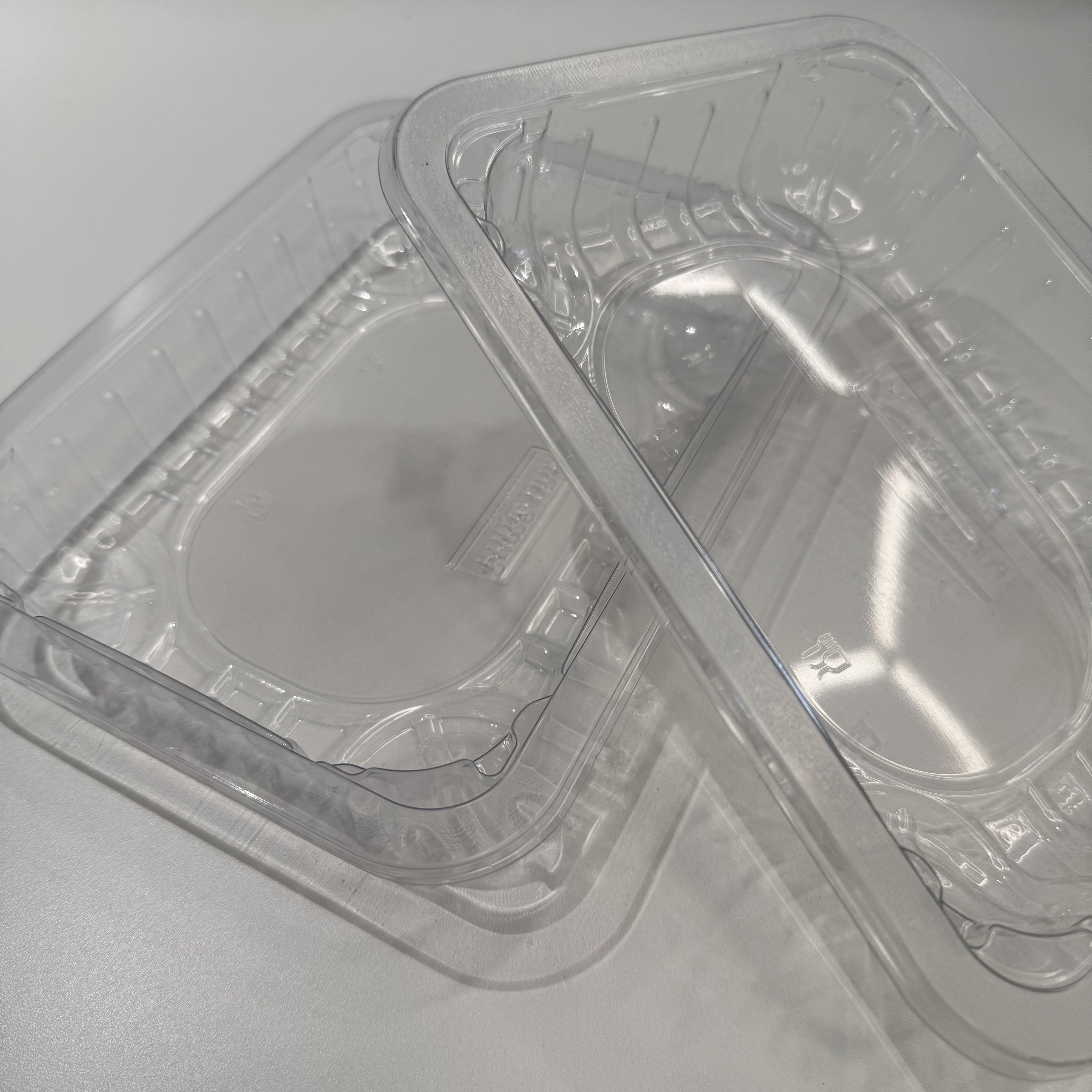
Clear PET Fresh Meat Tray Food Packaging Box for Supermarket Meat Display
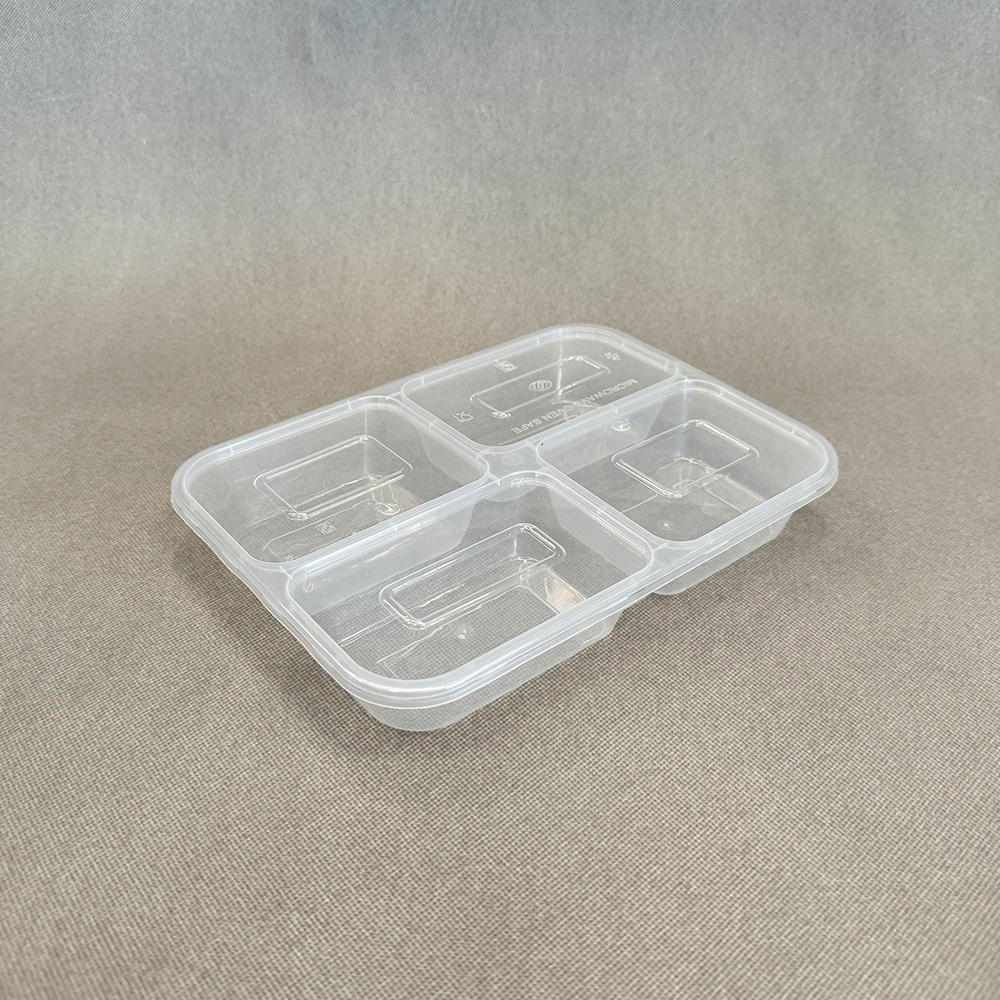
HSQY Disposable PP Lunch Box with Lid for Takeaway Food Packaging
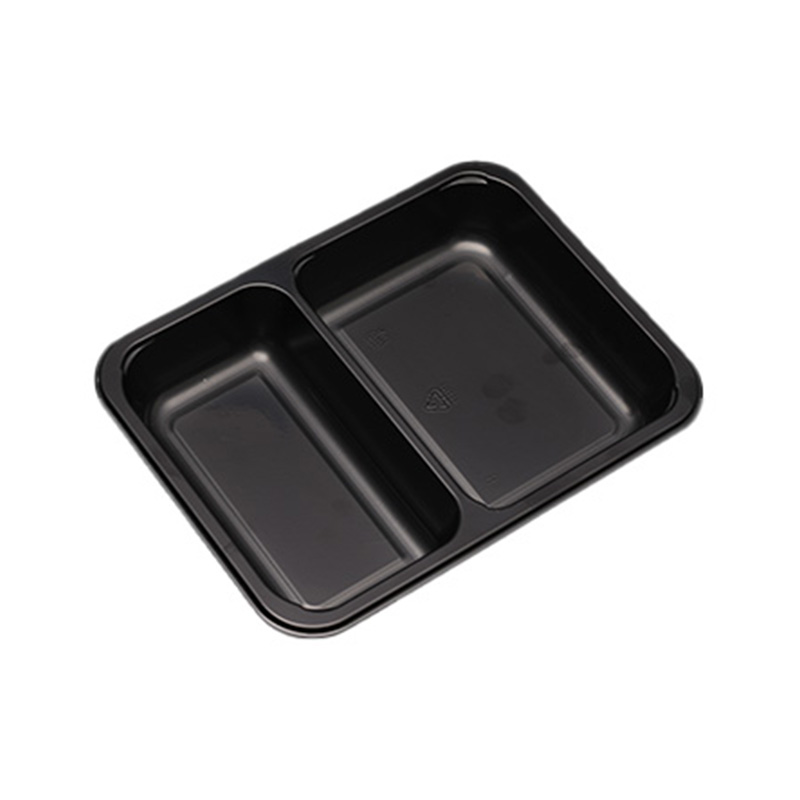
Quality Assurance CPET 2 Compartment CPET Food Containers Food Packaging Microwave Oven Safe
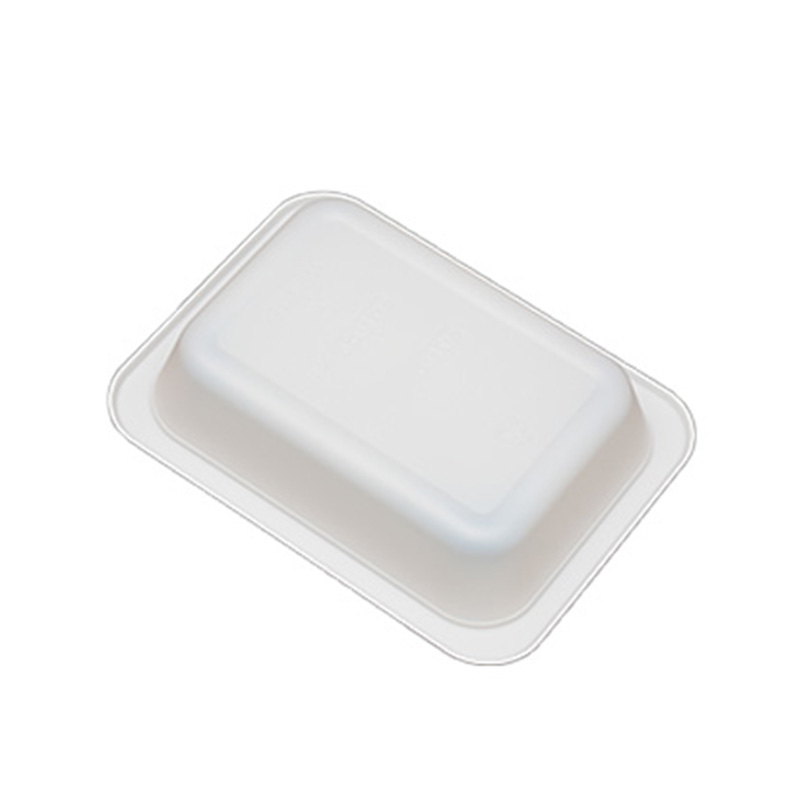
Reuseable Single Compartment White CPET Rectangle Tray Food Containers CPET Takeaway Tray