



 Plastic Sheet
 Food Containers
 Sealing Film


Transparent Food Containers: Plastic vs. Glass in 2026
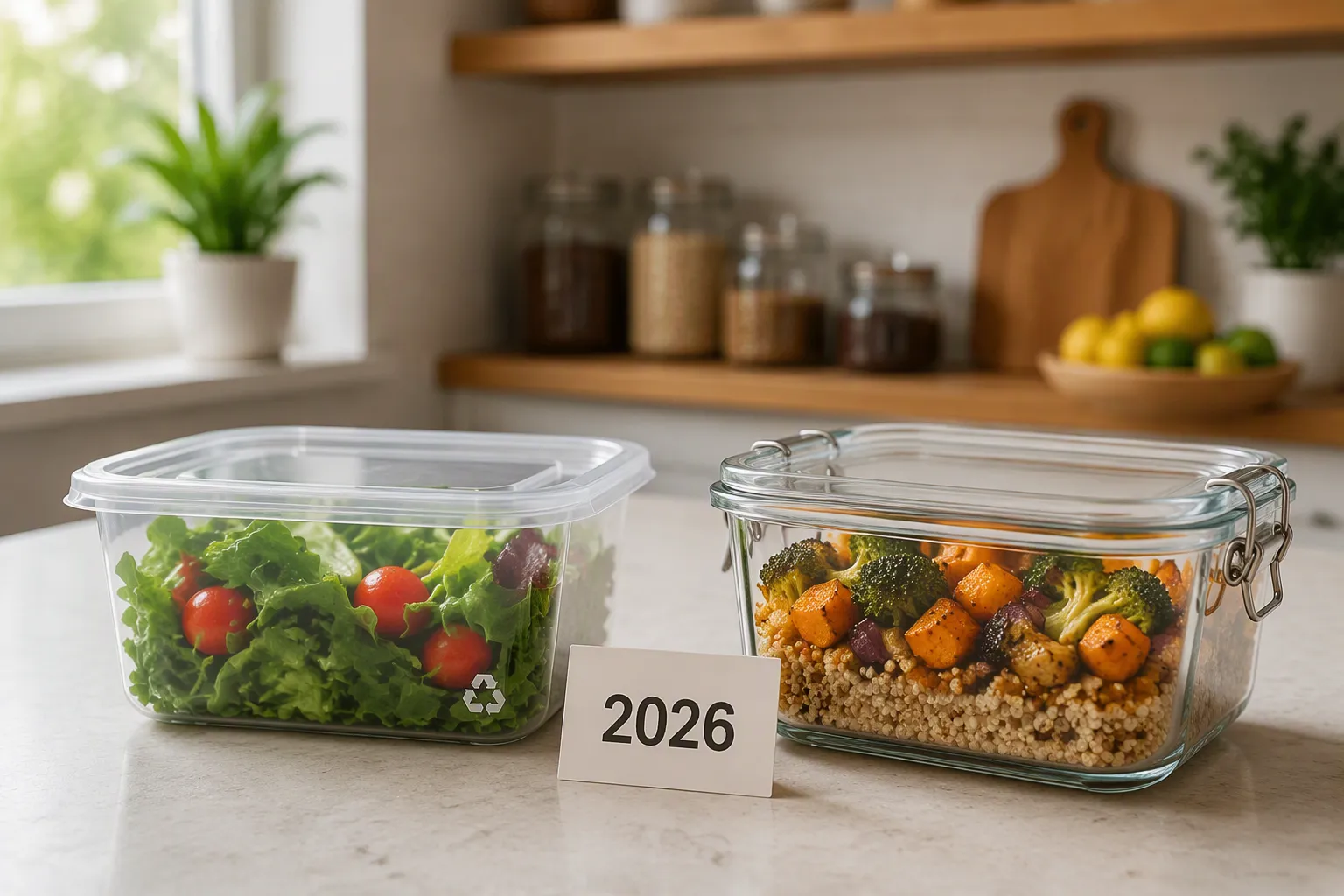
Glass dominates premium retail displays, but engineered plastics like CPET and PET rule the modern commercial food supply chain. That is the reality for brands and manufacturers in 2026.
For B2B buyers, food service operators, and retailers, the stakes go beyond basic storage. You must balance consumer safety, supply chain logistics, freight costs, and sustainability goals. Chemical compliance, microwave/oven safety, clarity for retail impulse buys, and material durability all impact your bottom line and brand reputation.
This guide offers a clear, industry-focused breakdown of transparent food containers. Whether you are sourcing packaging for ready-meals, supermarket fresh produce, or eco-friendly takeout, you will know exactly which material fits your business model by the end. No hype. Just facts, compliance standards, and commercial applications.
Key Takeaways for B2B Buyers
Glass containers offer premium unboxing experiences but carry high freight costs and breakage risks in commercial logistics.
Engineered plastics (CPET, PP, PET) dominate the supply chain due to lightweight durability, shatter-resistance, and specific heat-compliance.
Code #7 plastics are not universally bad; they include PLA (biodegradable plant-based plastics), which is essential for eco-conscious brands.
Always verify your supplier's specific migration test reports (SGS, FDA, EFSA) rather than relying solely on resin codes.
Use CPET for commercial oven-to-table ready meals, and PET/PVC for high-clarity supermarket cold-chain displays.
Plastic Transparent Food Containers: Commercial Pros and Cons
Supply Chain Efficiency, Clarity, and Durability
Commercial plastic transparent food containers win on logistics and retail conversion. They weigh a fraction of glass, drastically reducing freight costs and carbon footprint during mass transit. They survive the drops and vibrations of commercial distribution networks that would shatter glass.
For retail buyers, clarity is revenue. High-grade PET and PVC offer glass-like transparency that stimulates impulse purchases in supermarket delis and bakeries. These traits make specific plastics the undisputed choice for cold-chain distribution, commercial takeout, and high-volume retail packaging.
Heat Tolerance: The CPET Advantage vs. Standard Plastics
The common myth that "all plastic melts in the oven" ignores modern polymer engineering. While standard plastics like PET or PS cannot withstand high heat, the packaging industry has developed specialized materials for commercial heating.
Enter CPET (Crystallized Polyethylene Terephthalate). CPET is engineered to withstand temperatures up to 220°C (430°F). It is the backbone of the airline catering, supermarket ready-meal, and frozen food industries. CPET allows brands to package meals that consumers can transfer directly from the freezer into the microwave or conventional oven without chemical leaching or structural warping.
However, standard plastics do age poorly if misused. Exposure to UV light, harsh commercial dishwasher chemicals, or improper heat can cause clouding and brittleness. This is why sourcing 100% virgin, food-grade resin from certified manufacturers is critical for brand reputation.
Material | Commercial Lifespan & Logistics | Key B2B Applications |
|---|---|---|
Glass | Indefinite, but heavy freight costs and high breakage rates in transit. | Premium retail, high-end pantry staples, artisanal goods. |
Plastics (PET/PP/CPET) | Shatterproof, lightweight, lowers supply chain costs; single-use or durable depending on design. | Ready-meals, airline catering, fresh produce displays, commercial takeout. |
An LCA (Life Cycle Assessment) often favors plastics in commercial logistics: the heavy weight of glass significantly increases fuel consumption and greenhouse gas emissions during transport, offsetting its infinite recyclability.
Commercial plastics earn their place by keeping global food supply chains efficient, safe, and cost-effective. The key is matching the exact polymer to the application.
Safe Plastics vs. Plastics to Avoid in Packaging
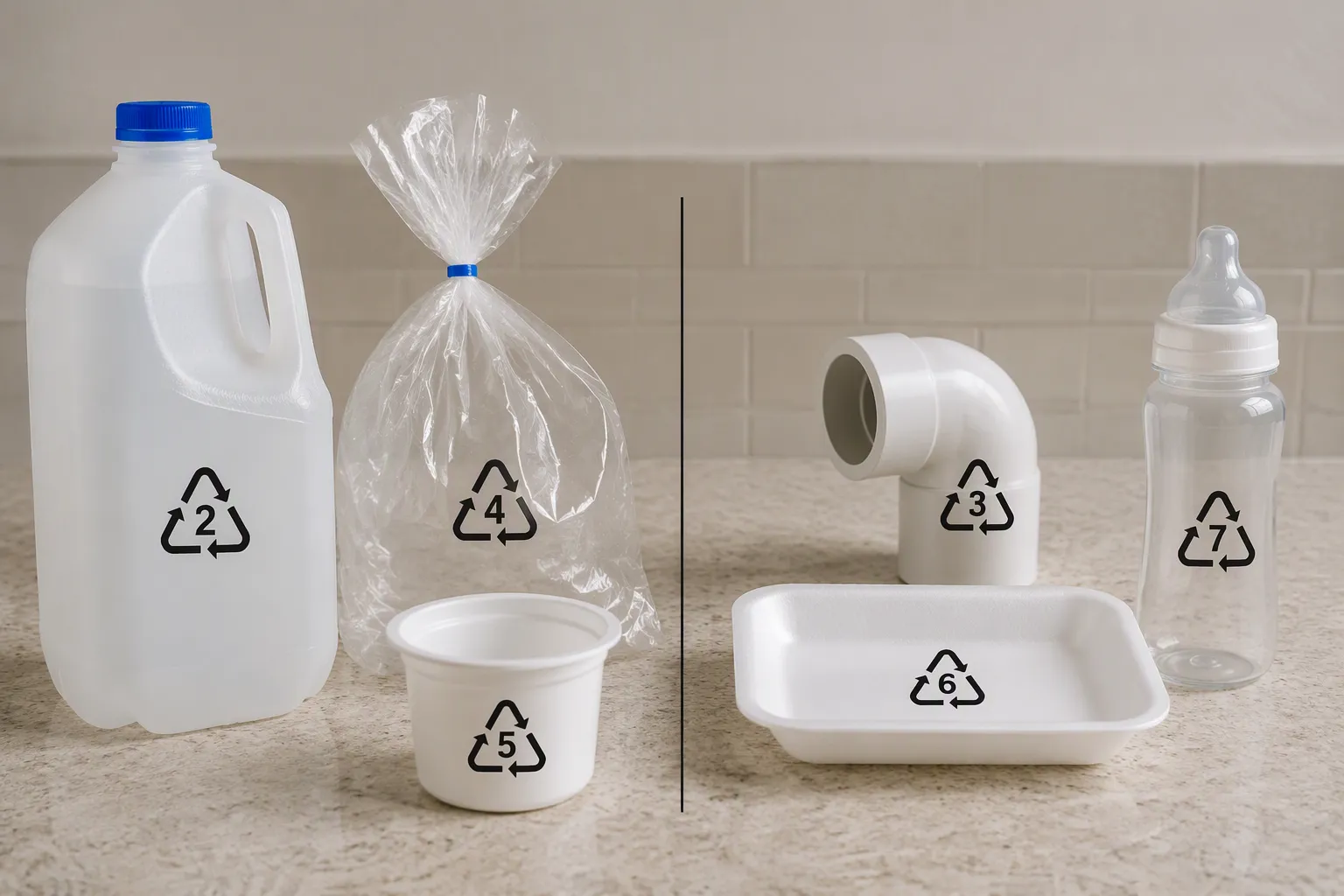
Every plastic container carries a Resin Identification Code (RIC). In the B2B world, procurement teams know that the RIC identifies the chemical makeup, not necessarily the food-safety grade. Safety is dictated by the material's formulation, additives, and compliance with FDA (21 CFR) or EFSA regulations.
Decoding RIC Numbers for Procurement
Code | Plastic Type | Commercial Viability | B2B Applications |
|---|---|---|---|
1 (PET) | Polyethylene Terephthalate | Excellent (Cold/Room Temp) | Beverage bottles, deli containers, bakery domes. |
2 & 4 | HDPE / LDPE | Excellent (Chemical Resistant) | Dairy tubs, squeeze bottles, commercial liners. |
5 (PP) | Polypropylene | Excellent (Microwave/Dishwasher Safe) | Takeout containers, reusable meal prep tubs. |
3 & 6 | PVC / PS | Safe for Cold/Display Only (NO HEAT) | High-clarity berry punnets, fresh meat trays. |
7 | Other (Includes PLA & CPET) | Highly Specialized (Verify Certs) | Eco-friendly PLA packaging, Oven-safe CPET trays. |
The safest and most versatile choices for commercial food brands are PET (#1), PP (#5), and specific engineered #7s. PP resists heat well and is the standard for microwaveable takeout.
What about Codes 3, 6, and 7? PVC (#3) and PS (#6) are often demonized for heating, but they are industry standards for cold-chain and supermarket displays. Their optical clarity makes fresh produce and meats look highly appealing. As long as they are manufactured with food-grade additives and never exposed to heat, they are perfectly safe and highly cost-effective.
The #7 Misconception: Code #7 is a "catch-all" category. While it includes older materials like Polycarbonate (which contained BPA), it is also the home of PLA (Polylactic Acid), a 100% compostable, plant-based bioplastic. For brands looking to meet ESG goals and eco-conscious consumers, #7 PLA is a premium, safe, and highly marketable choice.
The Compliance Rule: Beyond the RIC Number
Food-grade and food-safe are not the same. Food-grade means the material is chemically suited for contact. Food-safe means it performs safely under your specific commercial conditions (e.g., freezing, microwaving, or holding highly acidic sauces).
This is where supplier transparency matters. HUISU QINYE manufactures food-grade PET, PP, CPET, PVC, PS, and PLA containers designed for global supply chains. We don't just rely on RIC codes; our products undergo rigorous testing. ISO 9001 ensures manufacturing consistency. ISO 22000 and HACCP protocols guarantee hygiene. We provide SGS and FDA-specific migration test reports (SML) to verify that no heavy metals or microplastics migrate into your food products, even under extreme temperature shifts.
Brand names matter less than verifiable compliance. Always request your packaging supplier's extractable testing and resin purity certificates. A genuine food-safe certificate protects your brand from liability and builds consumer trust.
Glass Containers: The Premium Alternative
Unmatched Clarity and Inertness
Glass stands apart in chemical inertness. It is nonporous, meaning it releases absolutely nothing into food, regardless of temperature or acidity. For premium artisanal brands, luxury pantry goods, and high-end cosmetics, glass provides a weight and unboxing experience that plastic cannot replicate.
Attribute | Glass Packaging | Commercial Plastics (PET/PP/CPET) |
|---|---|---|
Chemical Inertness | 100% inert; ideal for highly acidic or volatile compounds. | Requires barrier coatings or specific resin grades for high acidity. |
Retail Perception | Premium, luxury, eco-perceived (though heavy). | Practical, modern, convenient, lightweight. |
Freight & Breakage | High freight costs; requires expensive protective packaging; high loss rate. | Low freight costs; shatterproof; maximizes shipping container payload. |
The drawbacks of glass in B2B logistics are severe. It is heavy, driving up shipping emissions. Breakage in transit leads to lost inventory and potential safety hazards (glass shards in food facilities). For mass-market food distribution, modern engineered plastics offer a vastly superior carbon footprint and profit margin.
Which Container Fits Your Commercial Scenario?
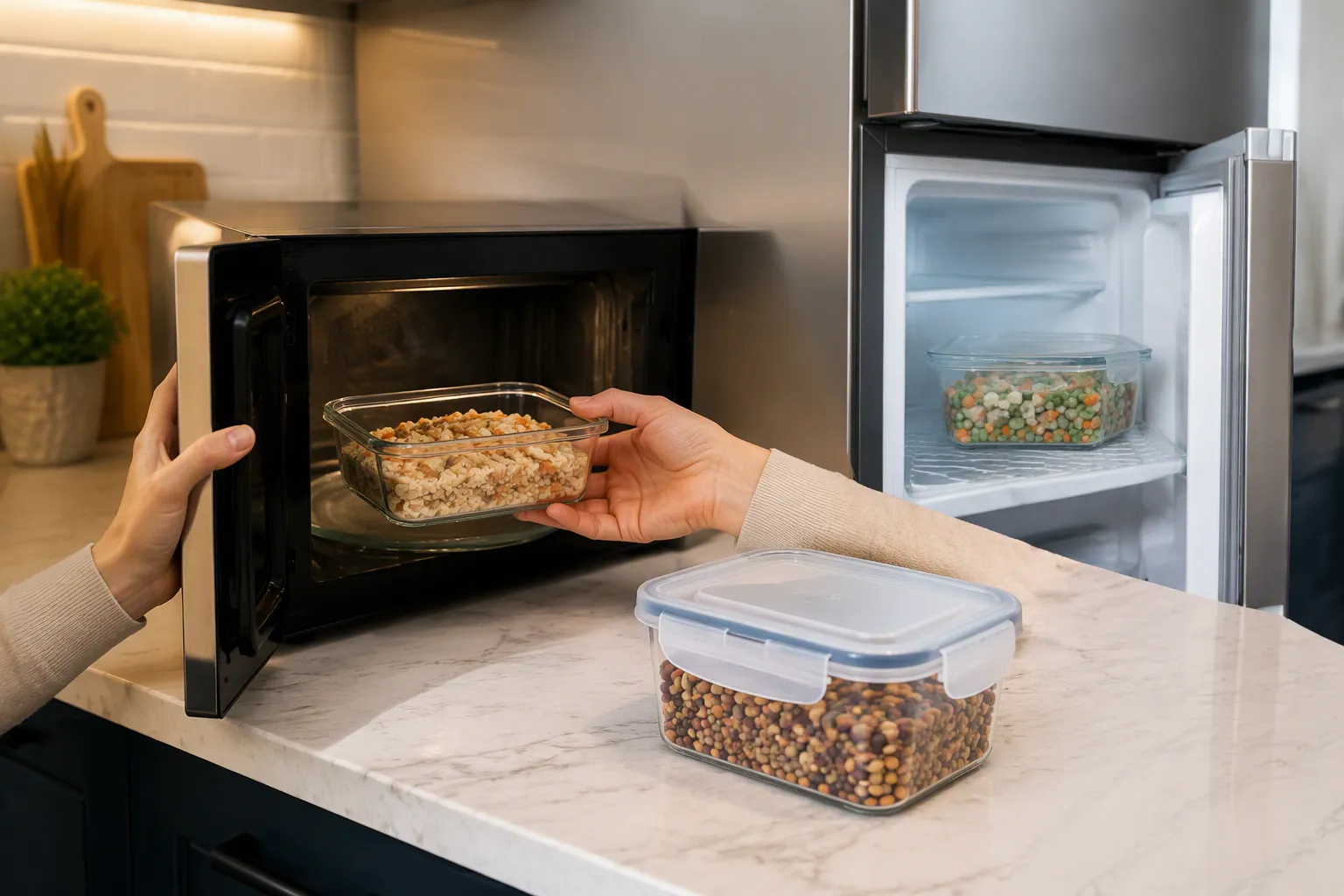
The choice comes down to your supply chain, heating requirements, and retail positioning.
Engineered Plastics for Commercial Dominance
Takeout & Delivery (PP): Polypropylene (PP) is the king of delivery. It offers superior hinge-durability, leak-proof sealing, and microwave safety for the end-consumer. Its lightweight nature keeps delivery fees low.
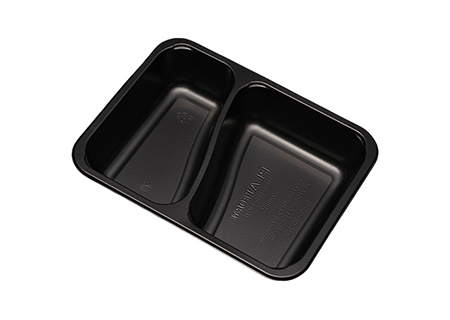
Ready-Meals & Airline Catering (CPET):CPET trays are designed for the "oven-to-table" workflow. Food manufacturers can flash-freeze meals in CPET, ship them globally, and the consumer can bake them directly in the oven at 200°C without the container melting or leaching.
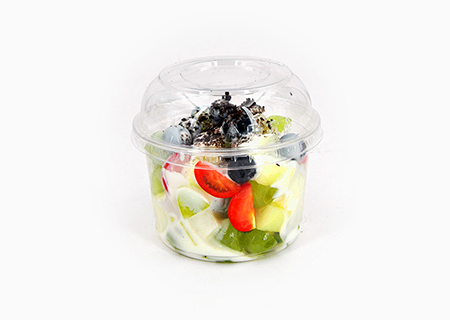
Supermarket Fresh & Bakery (PET/PVC): When visual appeal drives sales, PET and PVC clamshells provide crystal-clear visibility for berries, salads, and pastries, while maintaining a rigid stackability on supermarket shelves.
Eco-Friendly Branding (PLA): For brands targeting zero-waste demographics, PLA (derived from corn starch) offers the clarity of PET but is commercially compostable, aligning with strict environmental mandates.
Commercial Use Case | Optimal Material |
|---|---|
Hot Takeout & Delivery | PP (Polypropylene) - Microwave safe, leak-resistant. |
Frozen Ready-Meals (Oven Bake) | CPET - High heat tolerance (up to 220°C). |
Supermarket Fresh Produce | PET / PVC - High clarity, rigid stacking, cold-chain safe. |
Sustainable / Eco Branding | PLA (Code #7) - Plant-based, commercially compostable. |
When Glass is the Right Business Choice
Glass is acceptable and preferred for premium retail products with long shelf lives (e.g., artisanal sauces, honey, premium supplements). It justifies a higher retail price point and appeals to a specific luxury demographic. However, for high-volume, fast-moving consumer goods (FMCG), glass's logistical drawbacks usually outweigh its benefits.
Sourcing and Verifying Safety Certifications
Beyond the Symbol: Auditing Your Supplier
While the "fork and wine glass" symbol indicates baseline food contact safety, commercial buyers must dig deeper. The safety of a container relies on the manufacturer's adherence to Specific Migration Limits (SML).
Certification / Standard | What It Guarantees |
|---|---|
FDA (21 CFR) | Compliance for US market food contact materials. |
EU Regulation 10/2011 | Strict limits on overall and specific migration (OML/SML). |
ISO 22000 / HACCP | Ensures the factory environment prevents physical and biological contamination. |
SGS / Intertek Reports | Independent lab verification of heavy metals and PFAS-free compliance. |
Before signing a bulk packaging contract, demand these certificates. A professional manufacturer like HUISU QINYE will provide verifiable batch-testing reports. This ensures your brand is never at risk of a product recall due to substandard packaging materials.
B2B FAQ: Sourcing Food-Grade Packaging
Can CPET really go into commercial ovens?
Yes. Unlike standard PET which softens at lower temperatures, the crystallization process of CPET raises its thermal threshold. It is the global standard for frozen ready-meals that require baking at temperatures up to 220°C (428°F). It will not warp or leach under certified conditions.
Are #7 plastics unsafe for my food brand?
Not necessarily. While #7 includes older plastics like PC, it is also the designated category for PLA (Polylactic Acid). PLA is a premium, plant-based, compostable bioplastic that is completely safe for food contact and highly sought after by eco-conscious consumers. Always verify the exact resin data sheet with your supplier.
How do I reduce packaging freight costs without compromising safety?
Switch from glass or heavy rigid containers to lightweight, engineered food-grade PET or PP. This drastically reduces dimensional weight (DIM weight) shipping costs and eliminates the financial losses associated with glass breakage during transit, all while maintaining FDA-compliant food safety.
What should I look for in a B2B packaging manufacturer?
Look for a factory that uses 100% virgin food-grade resin (not unverified recycled materials for direct food contact) and holds ISO 22000, HACCP, and SGS/FDA testing capabilities. They should be able to customize barrier coatings or leak-proof seals tailored to your specific food product's pH and moisture levels.
Sourcing the Right Food Packaging for Your Business?
Whether you need oven-ready CPET trays for commercial meals, crystal-clear PET for retail displays, or sustainable PLA options for eco-friendly branding, HUISU QINYE provides tailored, fully certified packaging solutions backed by global compliance standards.
Request a Free Sample & Quote →Stay Connected with HSQY
Recommended Products
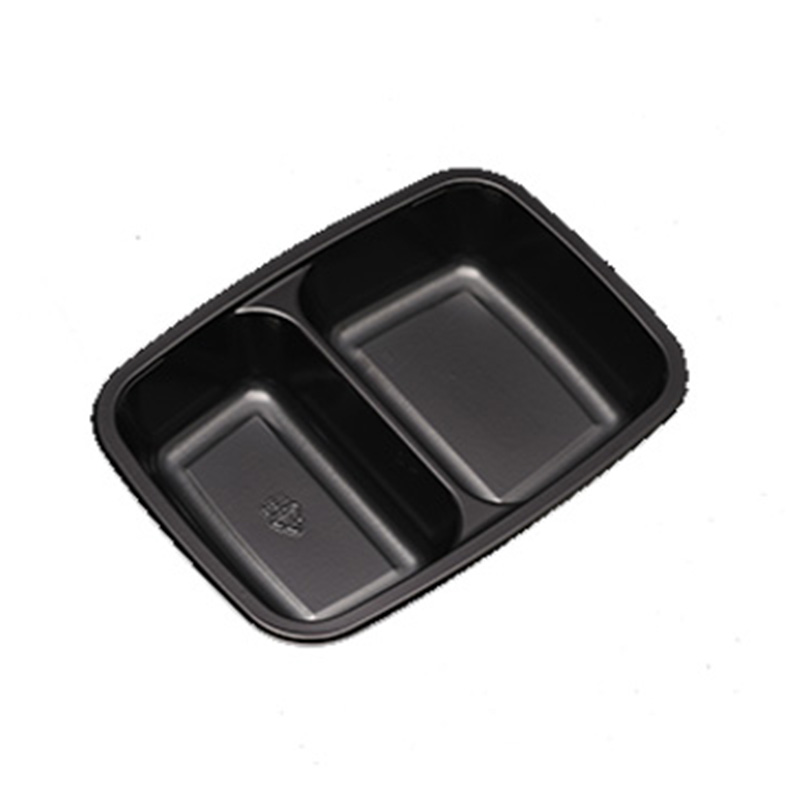
Black CPET Trays Food Packaging for Frozen Fresh Food Bakery Blister Disposable
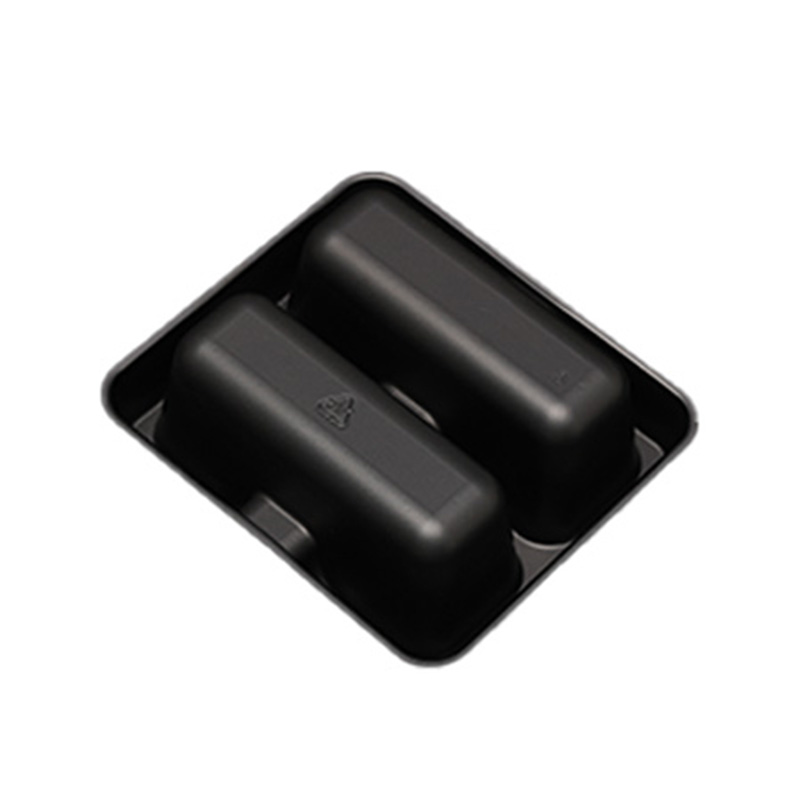
Black CPET 2 Compartment Tray Ovenable CPET Food Container
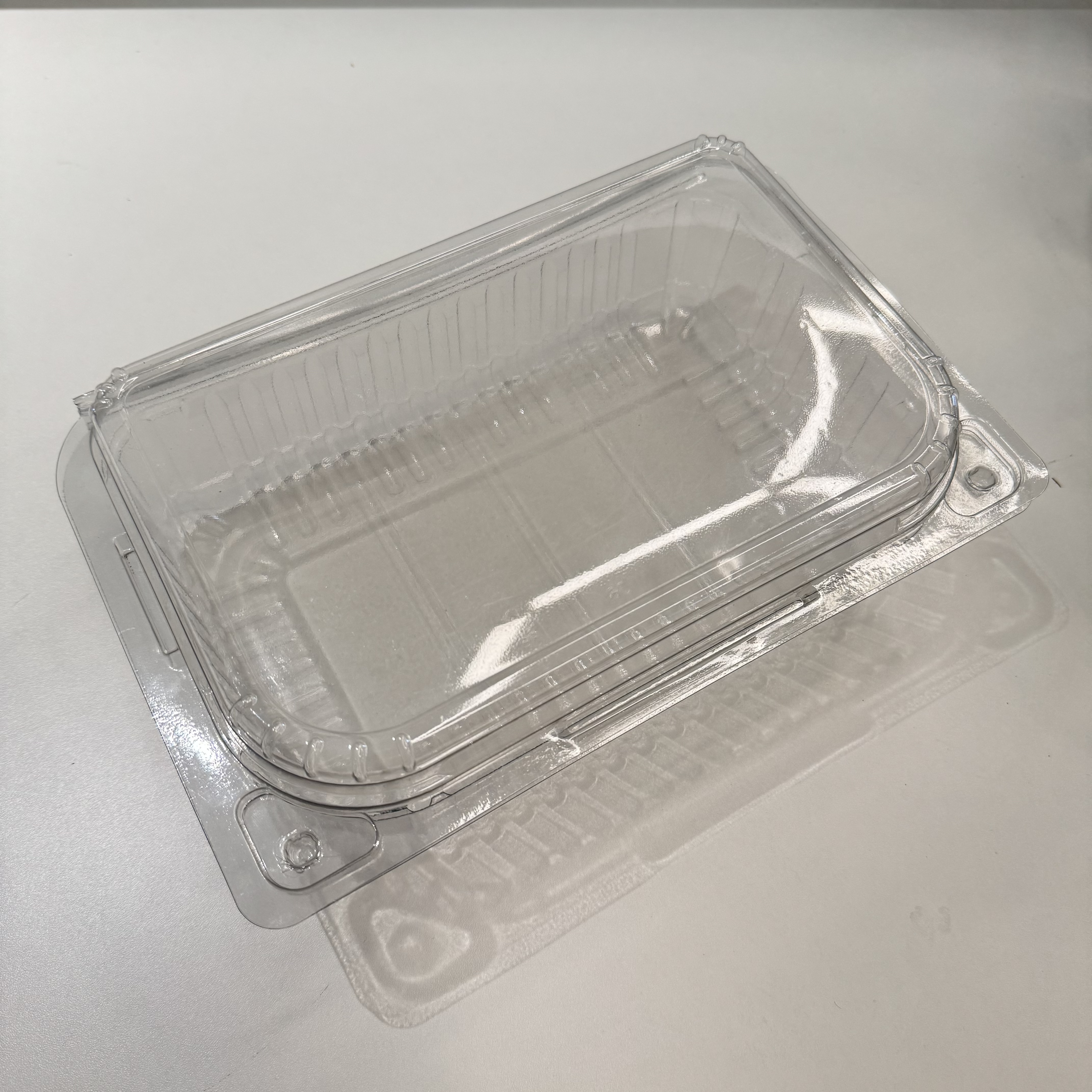
Crystal Clear PET Meat Packaging Trays Safe, Durable & Ideal for Supermarket Meat Displays
Reuseable Single Compartment White CPET Rectangle Tray Food Containers CPET Takeaway Tray
Food Grade Single Compartment CPET Plastic Food Tray
Recent News
1.Why CPET Food Trays Are the Best Choice for High-Heat Packaging
2026-06-162.CPET food trays everyone loves for home and business
2026-07-143.PP vs PET Meat Trays where Choosing the Wrong Packaging Material Costs Your Business
2026-08-044.PP Trays vs PET Trays and Which Packaging Material Is Best
2026-08-175.What are CPET trays
2026-03-13