



 Plastic Sheet

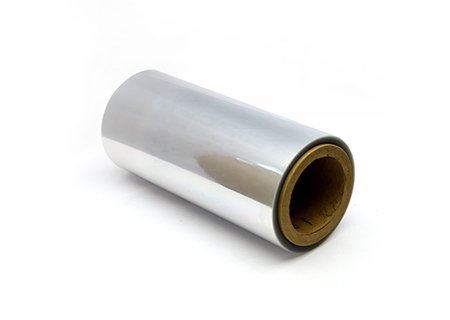
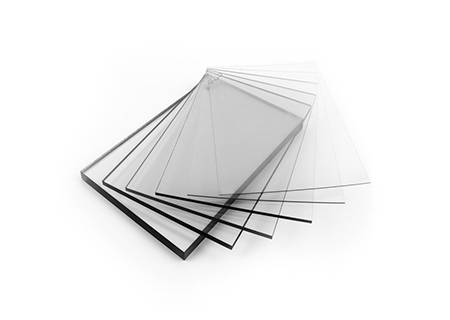
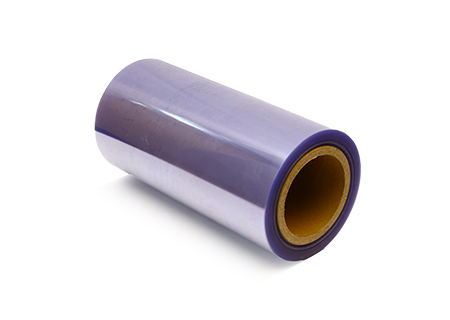
 Food Containers
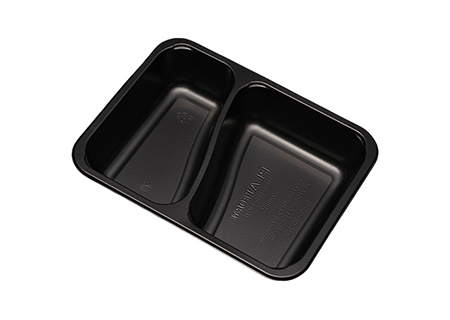
 Sealing Film


Why Are CPET Trays Suitable for Oven-Ready Meals?
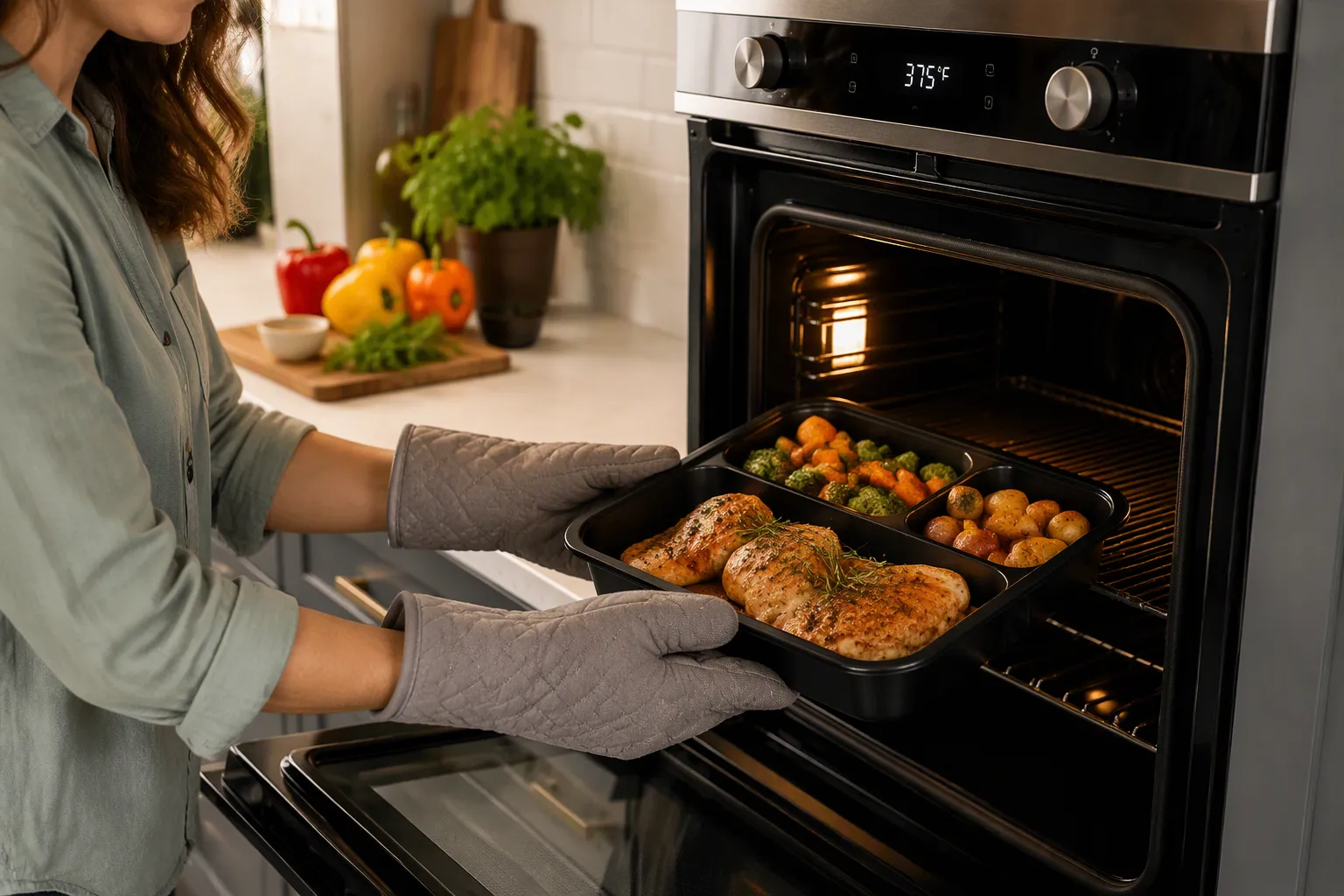
CPET trays suitable for oven-ready meals are engineered to handle the full journey from freezer to oven and straight to the table. A frozen dinner leaves the freezer at -40°C and, minutes later, enters an oven above 200°C—the packaging must survive both extremes without warping, cracking, or leaking. This specialized CPET packaging delivers exactly that, combining high heat resistance, dual-ovenability, food safety, and rigid structural performance. The material resists thermal stress that destroys weaker plastics, while food safety remains intact at every stage. The rigid walls protect meal integrity during transport and reheating. For food manufacturers, this packaging provides reliable performance and also accepts high-barrier lidding films for secure sealing. That combination keeps meals protected, presentable, and ready for any oven-ready meal application.
Key Takeaways
CPET trays handle extreme temperatures from -40°C to 220°C without warping or cracking.
They keep food safe with FDA-approved materials and secure seals that prevent leaks.
You can use the same tray in the freezer, microwave, and conventional oven.
Custom shapes and high-barrier films extend shelf life and reduce food waste.
CPET trays are lighter and safer than aluminum, with better metal detection.
CPET Trays Suitable for High-Heat Cooking
Wide Temperature Tolerance
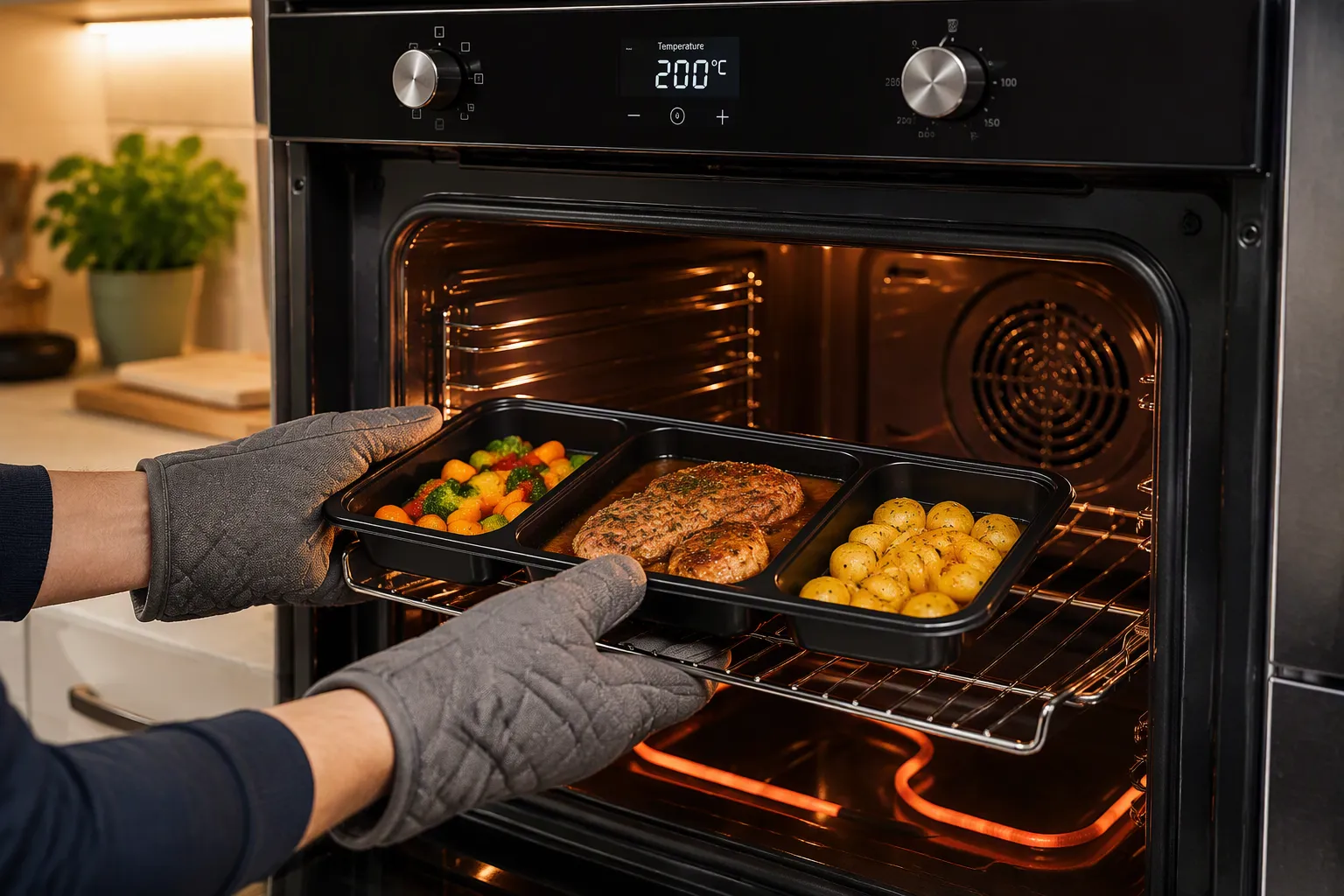
CPET trays suitable for oven-ready meals must endure a remarkable range of conditions. These containers handle temperatures from -40°C to 220°C, covering frozen storage through conventional oven reheating. This thermal versatility separates CPET from ordinary plastics. Standard PET softens at much lower temperatures and cannot survive oven exposure. CPET, by contrast, maintains its shape and function across the full spectrum of high and low temperatures that ready meals demand.
The highly crystallized molecular structure of CPET gives it a high heat deflection temperature (HDT), allowing it to maintain rigidity well beyond the softening point of standard PET (roughly 165°F / 74°C). This crystalline network explains why CPET trays suitable for high-heat cooking perform reliably in conventional ovens while standard PET does not. The material also tolerates hot-fill liquids up to approximately 205°F (96°C), which supports food processing before packaging.
Specification | Temperature Range |
|---|---|
Common upper range for conventional oven | 200-220°C / 392-428°F |
North American practical oven limit | 400°F / 204°C |
Overall CPET temperature specification | -40°C to +220°C (-40°F to 428°F) |
Typical industry specifications rate CPET trays for oven use up to 400°F for thirty to forty-five minutes, which comfortably covers most home cooking and reheating windows.
This wide window means food manufacturers can design one packaging format for freezing, distribution, retail display, and final heating. The tray does not need swapping between stages. That simplicity reduces cost and preserves food quality.
Rigid Structure Under Oven Heat
High thermal resistance alone is not enough. A tray must also hold its shape when exposed to heat for extended periods. CPET delivers this through its crystallized molecular structure, which resists warping, cracking, and deformation during high-temperature cooking. The material retains mechanical strength and barrier properties under heat, preventing container failure such as spills, compromised seals, or food contamination.
This structural integrity matters for several reasons. A warped tray can tilt in the oven and spill contents. A cracked tray can leak sauces or juices onto heating elements. A deformed tray may not seal properly after reheating if the consumer wants to store leftovers. CPET trays avoid these problems because the material stays rigid across temperature extremes.
The leak-proof construction of CPET also supports high-heat foods with heavy sauces or oils. These meals place additional stress on packaging during cooking. CPET handles that stress without losing performance. The tray keeps its shape, the seal stays intact, and the meal arrives at the table as intended.
For food manufacturers, this reliability translates into fewer customer complaints and better brand perception. The packaging performs its job quietly and consistently. That performance is the foundation of why CPET trays suitable for oven-ready meals have become a preferred choice in the industry.
Food Safety and Performance With CPET
Food-Grade Contact Materials
United States law governs polyethylene terephthalate resin under FDA 21 CFR 177.1630. This material forms the base of crystallized PET sheet stock. The rule establishes chemical purity and extraction limits. It confirms that no harmful substances migrate into food during heating. Independent audits reinforce this compliance each year. BRC Global Standard for Packaging and FSSC 22000 cover manufacturing facilities. These schemes define food safety requirements for production environments. Clean rooms, dedicated food-grade lines, and lot-level traceability all fall within their scope. ISO 9001 supports quality management. REACH and RoHS address chemical compliance for European markets.
The FDA does not approve individual food-contact articles. Instead, the agency regulates the materials themselves through the Code of Federal Regulations.
European distribution follows a different framework. Regulation (EC) No 1935/2004 sets general requirements for food-contact materials. Regulation (EU) No 10/2011 adds specific rules for plastics. This framework establishes an Overall Migration Limit of 10 mg/dm² or 60 mg/kg of food. Migration tests use food simulants matched to acidic, fatty, or aqueous properties. Time and temperature reflect real usage conditions. Heat raises migration risk. Oven exposure therefore demands worst-case testing. These checks matter for safe consumer reheating.
Metal Detection and Secure Sealing
CPET trays deliver an advantage aluminum cannot match: post-packaging metal detection. Food manufacturers scan every sealed package for metal fragments before shipment. Aluminum blocks this inspection step. This capability protects consumers and satisfies retailer quality programs.
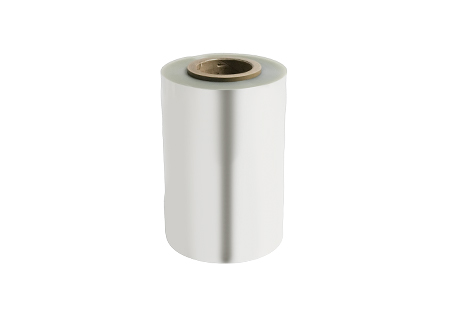
High-barrier lidding films complete the system. Common structures include PET/AL/CPP, PET/VMPET/PE, and PET/ALOx-PET/PE. PVDC-coated films laminated with PE or CPP also work. These layers restrict oxygen, moisture, and aroma transmission. Modified-atmosphere packs gain extra protection from an EVOH barrier. This layer extends shelf life further. Heat-resistant PET-based films seal firmly to the tray rim. Anti-fog options keep the lid transparent. Easy-peel films add consumer convenience. Lock-seal films prevent leakage during transport and reheating. Together, these components keep meals fresh from the production line to the dinner table.
CPET Trays for Dual Ovenable Applications
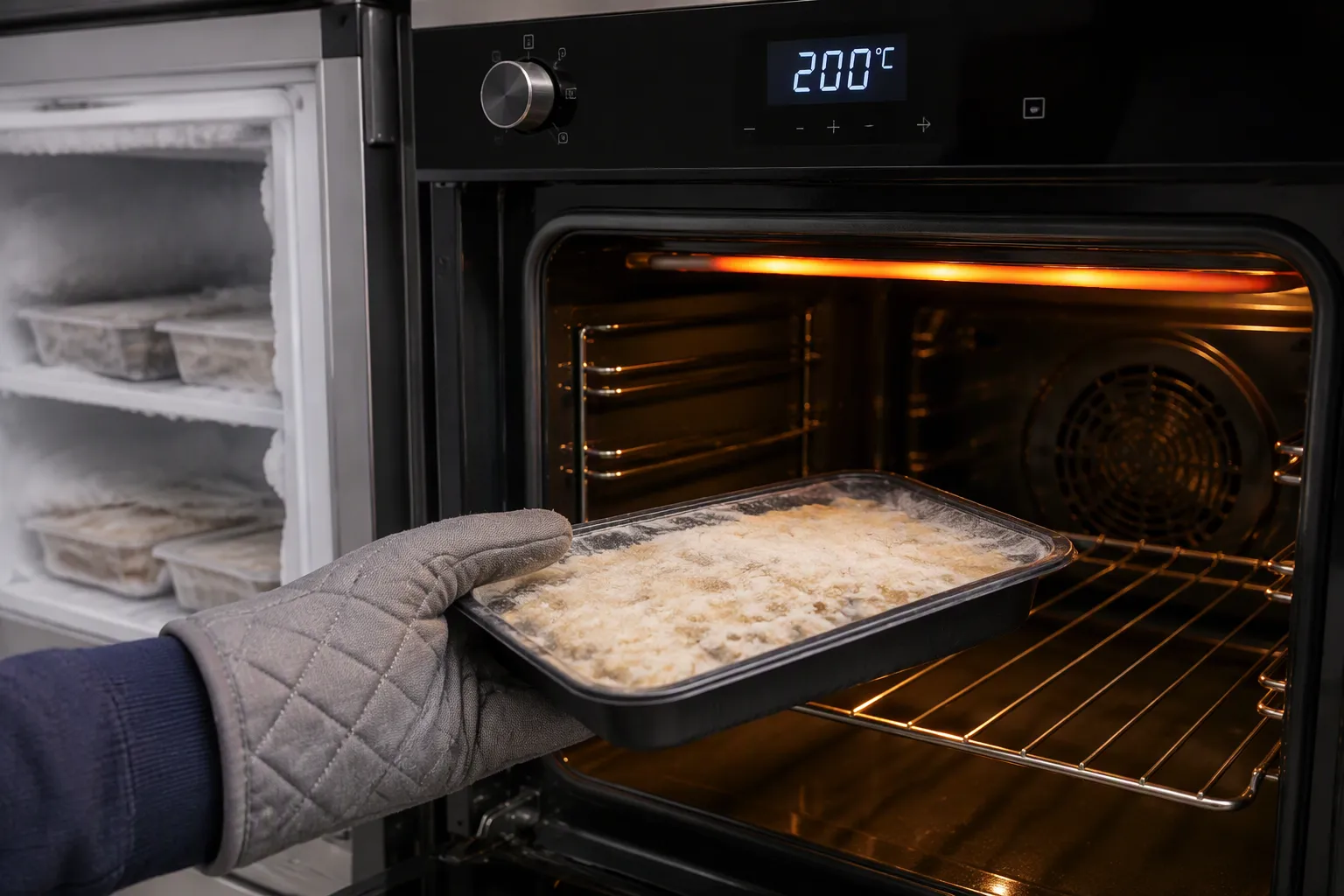
Modern consumers expect a frozen meal to go directly from the freezer into the oven or microwave. This freezer to oven to table demand drives the popularity of dual ovenable applications. CPET trays suitable for this role tolerate extreme cold and intense heat, so one package works for storage, cooking, and serving.
Freezer-to-Oven Convenience
Frozen meals move from -18°C storage to ovens above 200°C. The crystallized structure keeps these containers dimensionally stable up to approximately 220°C while remaining tough in the freezer. The tray does not sag or curl around the food, so the sealing flange stays flat and the lidding film remains intact. This dimensional control is critical for dual ovenable formats: if the flange deforms, the seal can fail and food may spill during reheating.
Manufacturers rely on dimensional stability and low weight loss to validate that the material meets food-safe requirements for freezer-to-oven cooking.
Rapid temperature changes stress every package component. The tray flange must remain true so the lidding film stays sealed. Dimensional stability gives manufacturers confidence that the tray will hold its dimensions and prevent leaks. This performance is especially valuable for meals with high liquid content, such as stews or casseroles. Consumers can reheat without worrying about seal failure.
Dual ovenability is a convenience that appeals directly to consumers. They can warm up or cook meals in a conventional oven or microwave, whichever fits their schedule. This flexibility reduces the need for additional cookware and keeps the meal presentable from oven to table.
Seal integrity is verified during manufacturing using visual inspection, leak tests, pressure tests, and post-freezing checks. These steps ensure the lidding film survives the freezer-to-oven transition without leaking. Consumers also benefit from skipping the thawing step entirely. One tray travels from frozen storage to the hot oven, eliminating extra dishes and making cleanup easier.
Microwave and Conventional Oven Use
These formats give consumers a choice of heating method. The material tolerates oven temperatures up to 400°F, approximately 204°C. For microwave use, CPET resists hotspots created by fats and oils. Aluminum alternatives block microwave energy and may arc; this material does not, so microwaved or oven-heated meals travel in the same packaging. The rigid tray keeps a premium feel, which consumers associate with quality.
Temperature performance varies by product. Standard C-PET reaches up to 220°C. Advanced formulations cover -40°C to 220°C. These ovenable packages all support freezing, heating, and serving in one container. Manufacturers choose this format for its ability to handle both frozen logistics and high-heat cooking.
This reliability explains why this material has become standard for ready meals. The combination of temperature resistance, structural stability, and microwave safety meets the demands of modern meal preparation. For food manufacturers, the practical result is fewer returns, better shelf presence, and a package that performs from production to the dinner table.
Engineering CPET Trays for Custom Packaging
Engineered food packaging begins with the meal itself. Custom tray formats give brands control over shape, depth, compartment layout, and visual identity. HSQY Plastic Group supports OEM and ODM projects with a dedicated tooling center, 3,000+ existing molds, and capacity for 300+ new molds each year. A custom mold can be ready in 7–10 days; mass production follows in 15–20 days, depending on order size. That speed allows food manufacturers to move quickly from concept to shelf.
Custom Shapes and Compartment Configurations
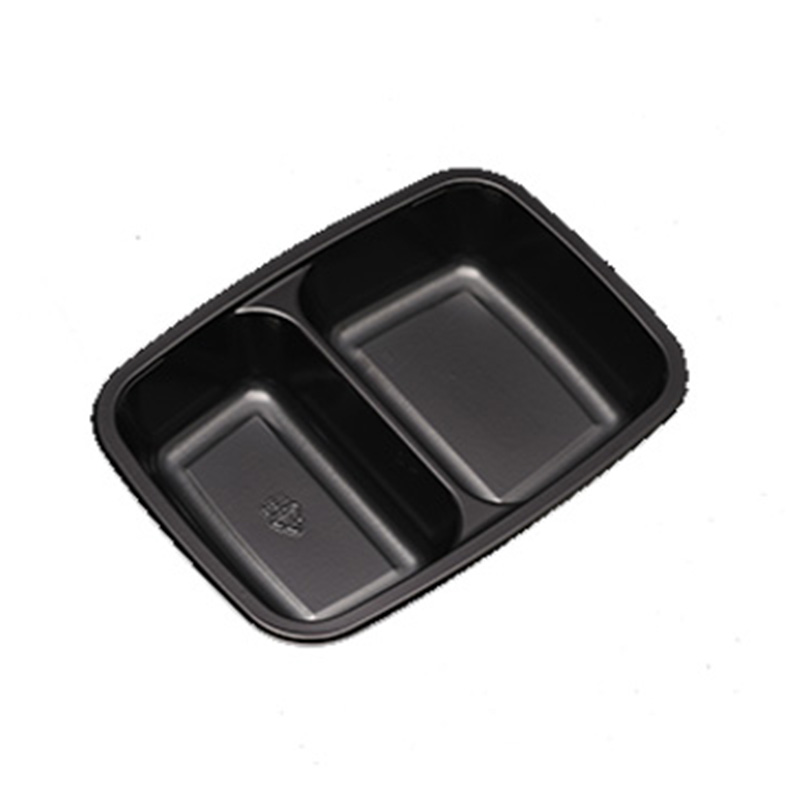
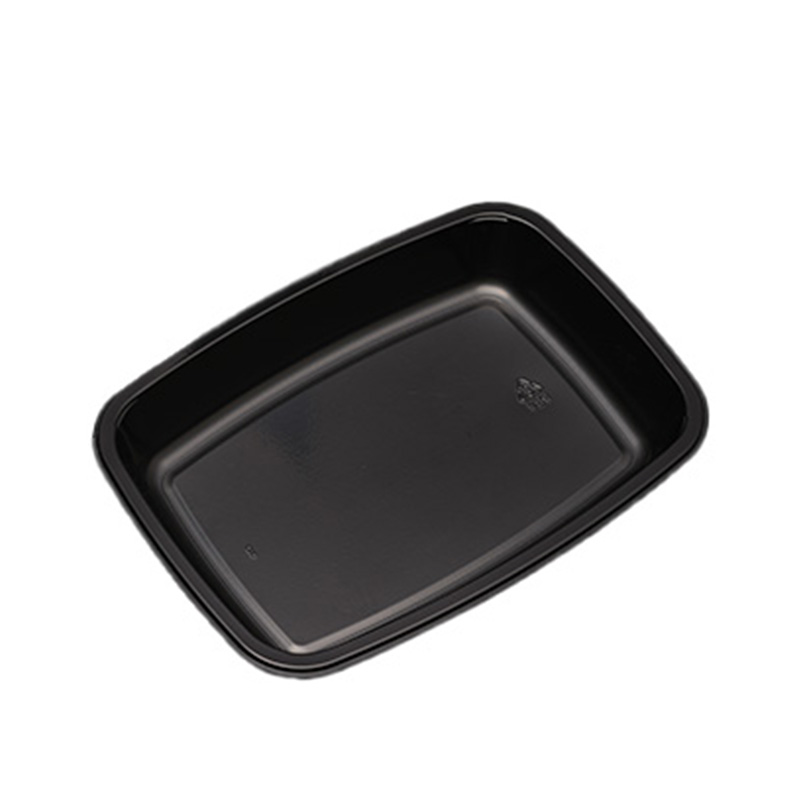
The geometry of a tray must match the meal it carries. Buyers can request custom sizes, depths, colors, logos, and wall thicknesses. A standard single-compartment format measures 227 x 177.5 x 43 mm and holds 160 ml. For multicomponent meals, 1, 2, or 3 compartment designs keep sauces, proteins, and sides separate during freezing and reheating. Private label cartons can carry the same branding across a product line. One supplier can also provide multiple materials, so brands simplify sourcing. This flexibility lets manufacturers choose deeper wells or wider flanges to improve presentation and seal strength.
Compatible Lidding Films and Seal Options
A tray alone does not complete the system. The lidding film must handle the same freezer-to-oven trip as the tray, keeping seal integrity and consumer convenience. Anti-fog films maintain clarity. Easy-peel films open without tools. Lock-seal films fuse to the rim to prevent leakage during distribution and reheating. Self-venting options open at a set temperature, releasing steam before the pack balloons or bursts. These options matter especially for dual-ovenable meals. The film must tolerate high heat after frozen storage. Peelable seals leave no residue on the rim; weld seals cannot be peeled but create a permanent bond.
Film selection is not guesswork. High-barrier films provide easy-peel and weld-seal capabilities, bonding to surfaces such as PE, PP, PS, aluminum, CPET, and PVC. The chart below shows compatibility ratings for four lidding film options across tray surfaces.
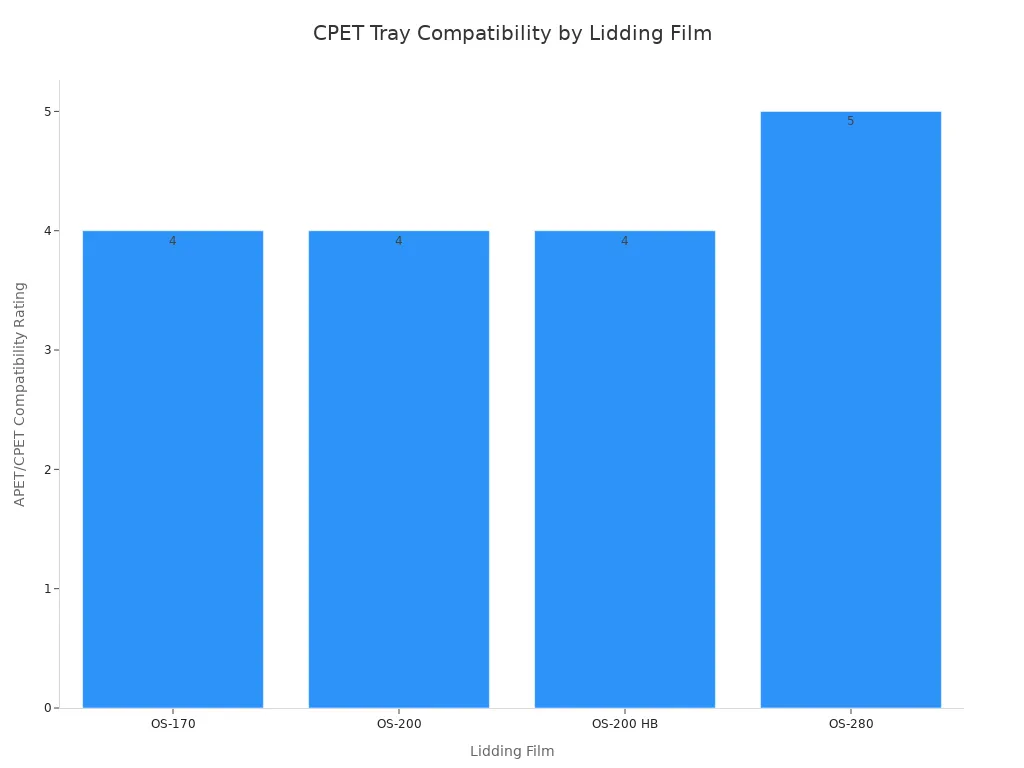
The seal layer must balance two goals: strong enough to survive freezing, handling, and oven heat, yet easy enough to peel or vent when dinner is ready. Low moisture vapor transmission and an airtight seal prevent freezer burn and leakage. When one supplier provides both components, every part is matched for the same storage and cooking cycle.
Choosing CPET Over Other Ovenable Trays
Best Applications for CPET Trays
CPET trays suitable for high-volume production serve several demanding markets. Retail ready meals represent the largest segment. Supermarkets need packaging that moves from freezer to oven without failure. Airline catering demands lightweight, stackable formats that survive rapid reheating. Freezer-to-oven products for prepared meals rely on CPET for consistent performance across temperature extremes.
Comparing CPET With Aluminum and PET
Material selection affects cost, safety, and convenience. CPET offers distinct advantages over aluminum and standard PET across several factors.
Factor | CPET Trays | Aluminum Trays | PET Trays |
|---|---|---|---|
Temperature range | -40°C to 220°C | Up to very high heat | Up to 60-70°C |
Microwave compatibility | Safe | Not recommended | Not suitable |
Sealing capability | Excellent | Limited | Moderate |
Food reactivity | Non-reactive | Reactive with acidic foods | Non-reactive |
Weight | Lightweight | Heavier | Lightweight |
Damage rate in distribution | 1-2% | 5-8% | Similar to CPET |
Aluminum conducts heat faster but unevenly, which can create hot spots. CPET provides even heat distribution without reactivity risks. Standard PET lacks the crystallized structure needed for oven exposure. CPET is produced from PET through a crystallization process that reorganizes its molecular structure into a fully crystallized form. This structural change results in greater rigidity, heat resistance, and durability.
For packaging engineers, the choice often comes down to total system cost. CPET trays reduce freight charges through lighter weight and lower damage rates during distribution. The material also supports vacuum and modified-atmosphere sealing, which extends shelf life for ready-to-eat meals. These practical benefits explain why CPET has become the standard for dual-ovenable food packaging.
Why Partner with HSQY Plastic Group?
HSQY supports high-volume and custom CPET applications with robust global supply capacity. The company operates over 40 production lines across 12 affiliated factories. This infrastructure matters for retail chains, supermarkets, and catering services that cannot tolerate supply interruptions or delays.
Furthermore, all HSQY facilities hold top-tier global certifications, including BRC, FSSC 22000, FDA, and ISO 9001 standards. They also carry REACH and RoHS compliance, confirming food-contact safety and environmental standards for both European and American markets. The streamlined 5-step ordering process moves seamlessly from inquiry to global delivery, and free samples are available to let buyers test performance before committing to volume.
CPET trays solve three critical challenges for oven-ready meals. First, they withstand extreme cold and intense heat without warping or leaking. Second, they deliver reliable food safety through certified materials and secure sealing. Third, they provide true dual-oven convenience for both microwave and conventional oven use.
These trays also address practical packaging problems. Custom tray designs and high-barrier lidding films ensure a perfect seal, extending shelf life and preventing leaks during transport. For manufacturers needing consistent safety and performance, CPET remains a dependable choice.
Get Your Custom CPET Packaging Solution Today
Request free samples or discuss your specific menu requirements with HSQY's engineering team. We offer free mold consultations and rapid 7-day tooling.
FAQ
What temperature range can CPET trays handle?
HSQY CPET trays perform across -40°C to 220°C. This range covers frozen storage, conventional oven reheating, and microwave use. The crystallized structure prevents warping or cracking during these extreme shifts.
Are CPET trays safe for microwave use?
Yes. CPET trays are microwave-safe, unlike aluminum containers that can arc. The material resists hotspots created by fats and oils during reheating. Consumers can move the same tray from freezer to microwave without transferring food.
What certifications do HSQY CPET trays carry?
HSQY facilities hold BRC, FSSC, and FDA certifications. They also meet ISO 9001 standards and carry REACH and RoHS compliance. These certifications confirm food-contact safety for European and American markets.
Can CPET trays be customized for specific meals?
HSQY offers OEM and ODM services with custom molds ready in 7 days. Production follows in 15 days. Options include tailored shapes, depths, logos, and 1 to 3 compartment configurations for multi-component meals.
Do CPET trays work with metal detection systems?
Yes. CPET trays allow post-packaging metal detection, which aluminum trays block. This capability lets manufacturers scan every sealed package for metal fragments before shipment, protecting consumers and meeting retailer quality requirements.
Stay Connected with HSQY
Recommended Products
Black CPET Trays Food Packaging for Frozen Fresh Food Bakery Blister Disposable
Single Compartment Airline Black Disposable CPET Tray Oven Safe CPET Food tray
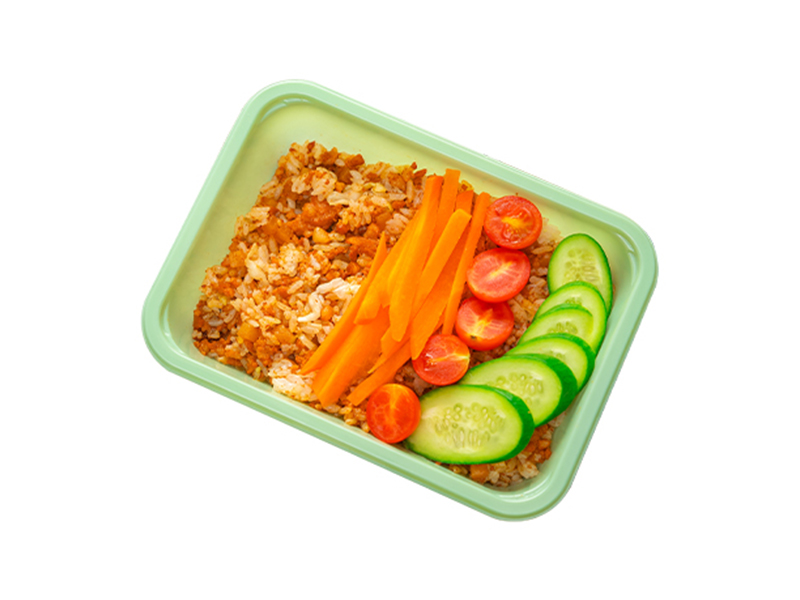
CPET Trays Food Packaging for Frozen Fresh Food
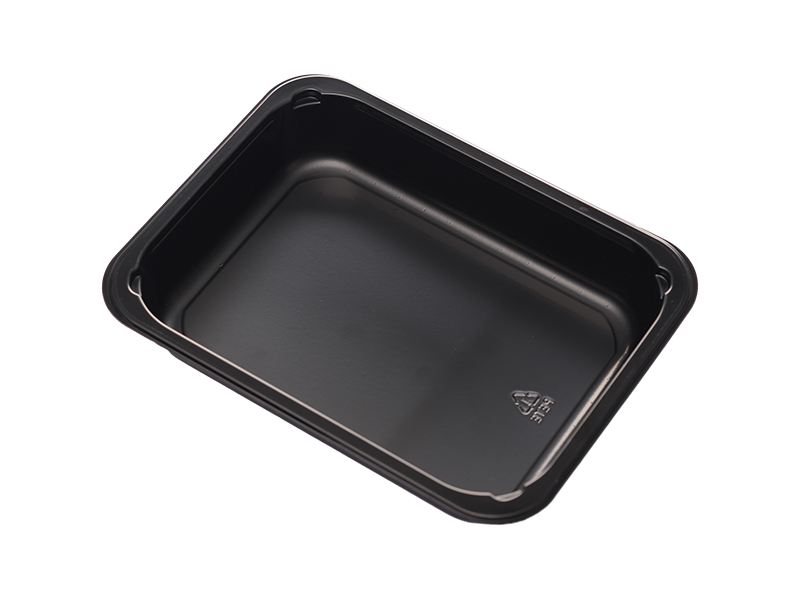
Eco-friendly CPET Trays Black CPET Container Food Tray
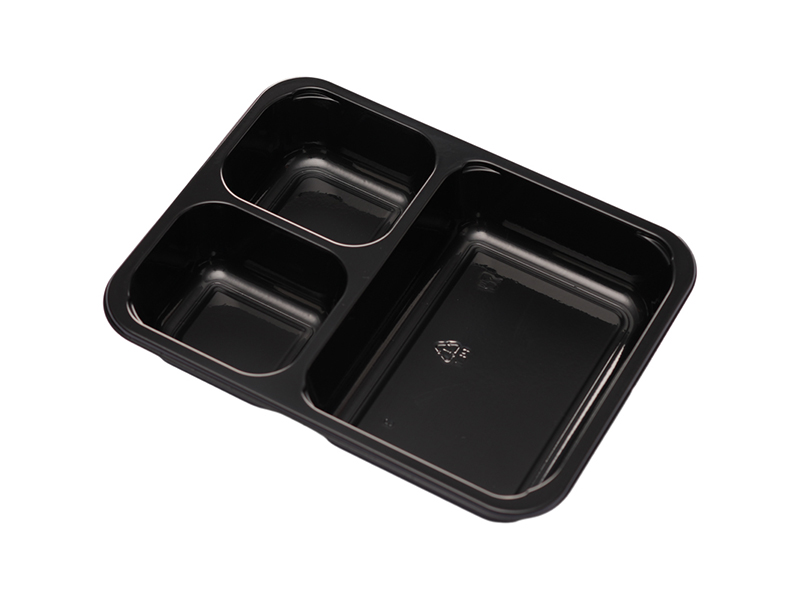
Wholesale Three Compartment Rectangular CPET tray
Recent News
1.CPET Packaging Manufacturer Selection: A Step-by-Step Guide
2026-08-242.How CPET Food Containers Stack Up Against PET and PP Packaging
2026-07-293.CPET food trays everyone loves for home and business
2026-07-144.Why CPET Food Trays Are the Best Choice for High-Heat Packaging
2026-06-165.How to Minimize Thermoforming Waste by Controlling CPET Sheet Thickness
2026-06-03