



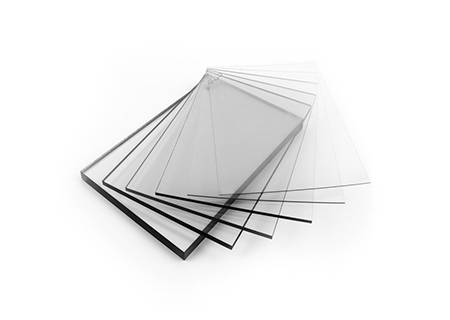
 Plastic Sheet


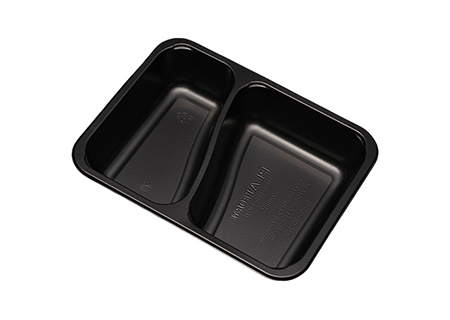
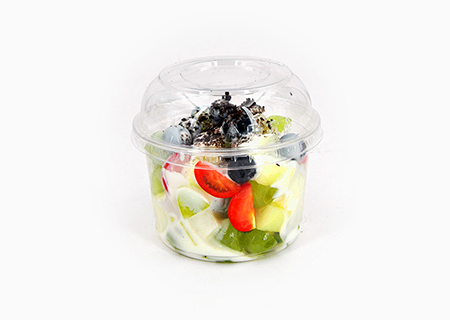
 Food Containers
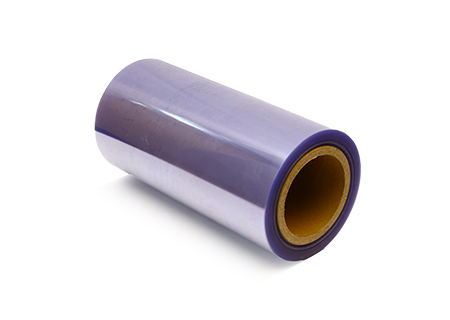
 Sealing Film


How to Choose PET Fruit Containers for Fresh Produce
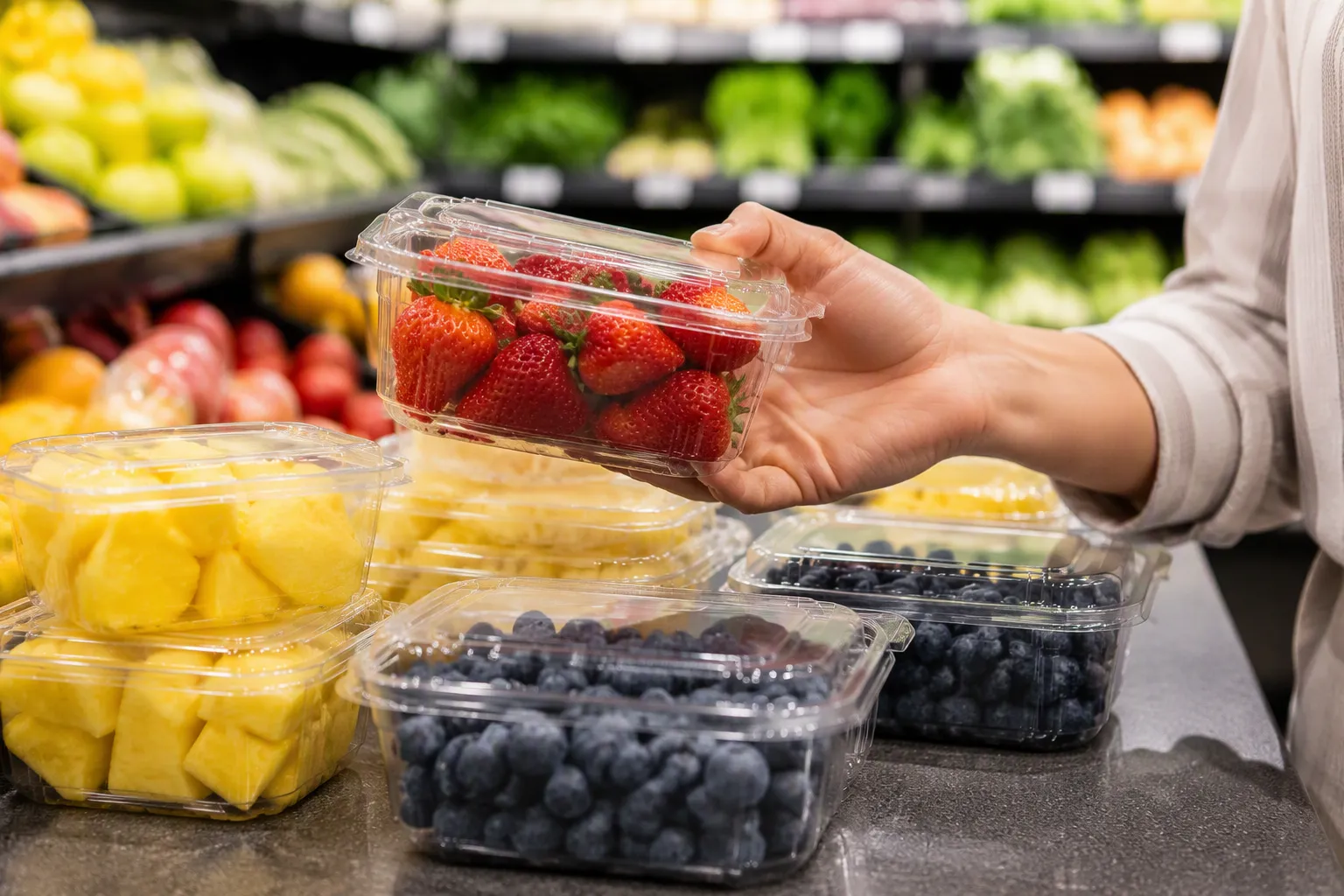
PET containers suit fresh produce because they extend shelf life and retain quality. Clear walls protect delicate items, and controlled airflow slows spoilage. The business stakes are real: less waste, stronger shelf appeal, and safer food.
How do you choose PET fruit containers with confidence? Start with the produce itself. Respiration rate, fragility, and moisture needs vary widely across fruits and vegetables. The right produce containers match these demands. They help keep your food fresh through the cold chain and retail display. Evaluate ventilation, stacking strength, seal security, and food safety compliance before you commit. Freshness depends on these details.
Key Takeaways
Match vent size to the produce's respiration rate to keep it fresh.
Choose containers with strong walls and secure lids to prevent damage.
Pick clear PET containers so shoppers can see the produce quality.
Select a manufacturer with food safety certifications and consistent quality.
Customize vent patterns and sizes to fit your specific produce and sales channel.
Why Fresh Produce Needs Careful Packaging
Fresh produce is living tissue. It keeps breathing after harvest, and the storage environment decides which container works. Cold-chain storage slows respiration and calls for containers that tolerate low temperatures. Room-temperature display speeds ripening and demands stronger airflow. Choose the container to match the display method, not the other way around.
Respiration and Fresh Fruit and Veggie Storage
Respiration rates vary widely across crops. Asparagus, broccoli, and mushrooms respire extremely fast, while apples, grapes, and onions respire slowly. Fast respiring items need more air circulation to release heat and ethylene gas. Ethylene accelerates ripening and spoilage in sensitive neighbors. Moisture retention matters too. English cucumbers are wrapped in plastic to keep water in, slowing dehydration and spoilage.
Respiration class | Examples |
|---|---|
Low | apples, grapes, onions |
Moderate | lettuce, peppers, tomatoes |
Extremely high | asparagus, broccoli, mushrooms |
Good fruit and veggie storage keeps produce whole, not sliced, before packing. Whole items retain natural barriers against decay. Sliced fruit loses that protection and spoils faster. These fruit and veggie storage tips apply to every format, from clamshells to open trays.
One tactic being employed to extend freshness for produce traveling long distances is to pack single items individually. Other benefits of this include being able to pack more efficiently, reduce shipping costs and lower the risk of contamination, according to Fruit Logistica's senior product manager Madlen Miserius.
Fragility and Handling Demands
Bruising accounts for roughly 50–80% of mechanical damage losses. Impact, compression, and vibration cause most of it. Overfilled boxes and weak walls collapse under stacking loads. Proper food storage containers absorb shock and limit fruit-to-fruit contact. Packaging also blocks pathogens, insects, and moisture loss, which helps maintain freshness.
Roughly 14% of food is lost between harvest and retail globally, rising to up to 30% for fruit and vegetables. Careful packaging directly reduces that loss. The right container protects produce storage from field to shelf.
Key Factors to Choose PET Fruit Containers
Ventilation, Airflow and Circulation
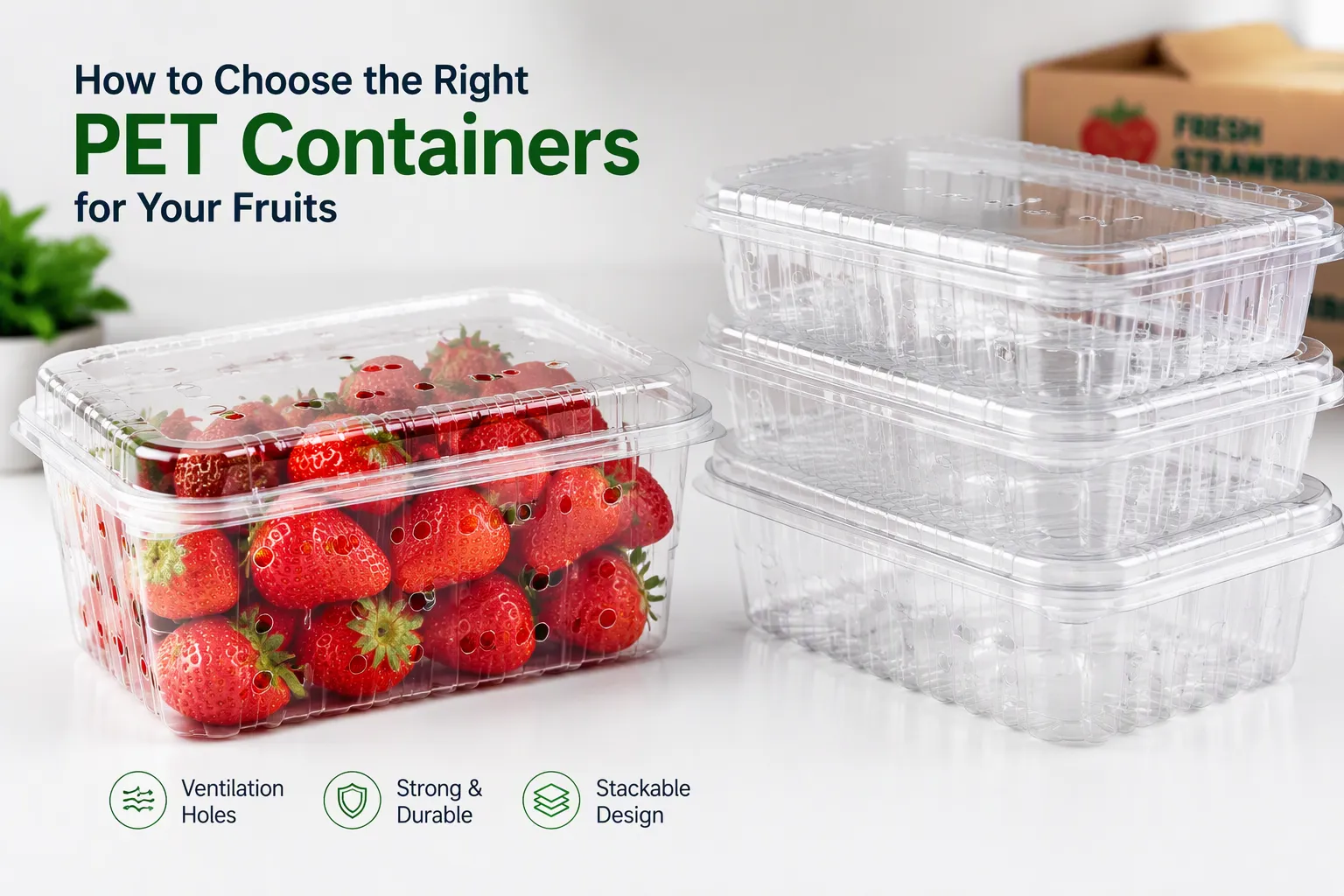
Ventilation governs three freshness factors: gas exchange, moisture management, and temperature uniformity. Too little airflow lets carbon dioxide and moisture build up. Condensation forms on inner walls, and a wet micro-environment favors mold. Too much airflow drops internal humidity too fast. Weight loss, shrinkage, and wilting follow. The right design balances respiration rate, moisture content, and distribution time. High-respiration items such as berries and leafy greens need more open area than grapes. High-moisture items need tighter control.
Precision multi-hole patterns make the difference. Round holes of 3 mm give roughly 1–2% open area and suit grapes and cherry tomatoes. A 5 mm pattern reaches about 3–4% for strawberries and blueberries. An 8 mm pattern delivers 4–6% for leafy greens and broccoli. Slot vents of 0.8 × 10 mm block small blueberries while still moving gas. Hybrid designs place base holes for drainage, side slots for ethylene removal, and lid micro-perforations for even distribution. Vented clamshells cut average mold incidence by roughly 30–40% in test groups. Lids may need removal or adjustment when airflow proves insufficient.
PET is the default material for many high-vent clamshells because its rigidity supports a relatively large open area and its processing accuracy suits small, consistent vents.
Choose containers that allow airflow rather than airtight PET plastic containers for respiring crops. Containers with some air circulation protect freshness far better than sealed boxes. Proper air circulation also speeds forced-air cooling after packing.
Stacking Strength, Clarity, and Seal Security
Reinforced ribs and high-rigidity walls carry top-load pressure across pallets, delivery vehicles, and retail displays. Wall and corner design, rim strength, and material thickness all bear the load. Weak walls crush produce and cause bruising. Clarity matters just as much. Clear walls free of haziness or tint let shoppers inspect quality without opening the pack. Cloudy containers hide defects and reduce perceived freshness.
Closure design balances security with easy opening. Secure snap-on closures and raised edges contain juices during transit. A leakproof seal protects display surfaces and shipping cartons. Airtight silicone seals and clips suit fresh-cut items that must seal tightly. Every model should be FDA compliant, BPA-free, and 100% recyclable #1 PET. The temperature range runs from -20°C to +70°C, which covers cold chain and room display. These containers are not microwave-safe; ovenable needs call for the CPET range.
A sturdy, tight-sealing container is durable and will keep your food fresh. Leakproof and durable designs reduce repackaging and waste. The best food storage containers combine all of these traits. Buyers who choose PET fruit containers based on ventilation, strength, clarity, and seal security protect both produce and profit. Plastic food storage containers built to these standards serve as reliable food storage containers across the cold chain. Each food storage container should also match the produce type and sales channel.
PET Container Formats and Materials
Clamshells, Trays, and Boxes
Hinged clamshells dominate berry retail. Crystal-clear PET gives shoppers a full view of the produce inside. A pop-tight lock keeps the lid closed through transit. HSQY (a premier packaging brand under TPR)'s PET-VC-01 ventilated berry clamshell holds 250g in a 6-inch punnet style. Separate-lid boxes offer greater containment for small or fresh-cut produce. The PET-FT-03 customizable box holds 500ml and comes in crystal clear or a high-contrast black base. Open trays suit single-layer packs. Shallow trays present berries and grapes in one layer. High-sided trays support loose leafy greens. Long narrow trays keep asparagus straight without bending. The PET-VT-01 rectangle vegetable tray fits leafy greens and asparagus. The PET-FT-01 high-strength clear tray holds 500ml with leak-resistant walls for fresh-cut fruit.
Format selection depends on product shape, pack quantity, and closure method. No single design wins everywhere. Match the container to the crop and the sales channel.
PET Food Storage Containers vs. PP and PS
Material choice shapes clarity, strength, and end-of-life options. PET delivers glass-like transparency, so shoppers see the produce without opening the pack. PP reads translucent or hazy. PS stays clear but brittle, and it cracks under impact. PET offers good impact resistance, while PP flexes without shattering.
Recyclability separates the three. PET (#1) is accepted in virtually every U.S. curbside program, the highest rate of any plastic. Over 60% of U.S. programs now take PP (#5). PS (#6) is rarely accepted and effectively non-recyclable in most areas.
Virgin PET and rPET both work excellently for fresh produce. While virgin PET offers glass-like clarity, rPET utilizes post-consumer material while remaining 100% recyclable. Both meet strict FDA compliance and BPA-free standards.
Ultimately, selecting the right material and design safeguards your produce from the packing house to the retail display. By balancing ventilation, structural strength, and material compliance, you minimize shrinkage and maximize shelf appeal across the cold chain.
Customization Options
Venting Patterns, Sizes, and Branding
Venting patterns are the first customization lever. A standard berry punnet may carry 16 air-vent holes around the top, plus surrounding side vents that drive cold-air circulation and moisture removal. Some designs place 16 bottom air holes to drain condensate away from the fruit. Vents should stay small enough to block needle insertion into the fruit. Advanced buyers can request variable venting patterns that adjust airflow by transit time, with lower airflow early and increasing flow as fruit ripens. Anti-fog additives in the masterbatch keep walls clear for the full shelf life.
Capacity options range from 125g, 170g, 250g, and 500g punnet formats up to standard 24oz and 36oz sizes, with custom dimensions available. Material choice includes thermoformed PET or rPET, and recycled content can be set at 30%, 50%, 70%, or 100% post-consumer PET. Branding raises minimum order quantities. Plain containers typically start at 1,000–5,000 pieces. Custom printed runs need 50,000–100,000 pieces because of plate-making and setup costs. A custom mold for unique dimensions or vent patterns carries tooling of US$5,000–US$25,000, with minimums often starting at 100,000 pieces.
Matching Designs to Produce Types
Design should follow the crop and the sales channel. Supermarket aisles favor crystal-clear walls that show color and quality at a glance. Farm and packing-house berry packing depends on vented punnets that move cold air through the stack. Cafes, restaurants, and meal kit services need leak-resistant boxes for fruit salads and takeaway. Gift and hamper packaging rewards a premium look, and high-contrast black bases make colorful fruit salads appear richer and more upscale.
These food storage containers also serve general retail programs. Clear walls and tight closures support freshness across the cold chain. Good fruit and veggie storage starts with a container matched to respiration rate and pack size. Reliable food storage containers protect produce from field to display, and the right fruit and veggie storage design keeps every pack presentable.
Evaluating PET Manufacturers
Experience, Tooling, and Food Safety
Manufacturing experience tells you whether a supplier has solved problems before. Ask how long the factory has made PET packaging for fresh produce. Experienced makers understand respiration rates, cold-chain stress, and retail stacking loads. They also know which wall thickness protects delicate produce without wasting material.
Tooling capability decides your customization ceiling. A manufacturer with in-house mold development can build custom vent patterns, sizes, and base colors. Confirm whether the supplier is the actual manufacturer or a trading company. Direct factory engagement gives you control over specifications, lead times, quality control, tooling development, and pricing.
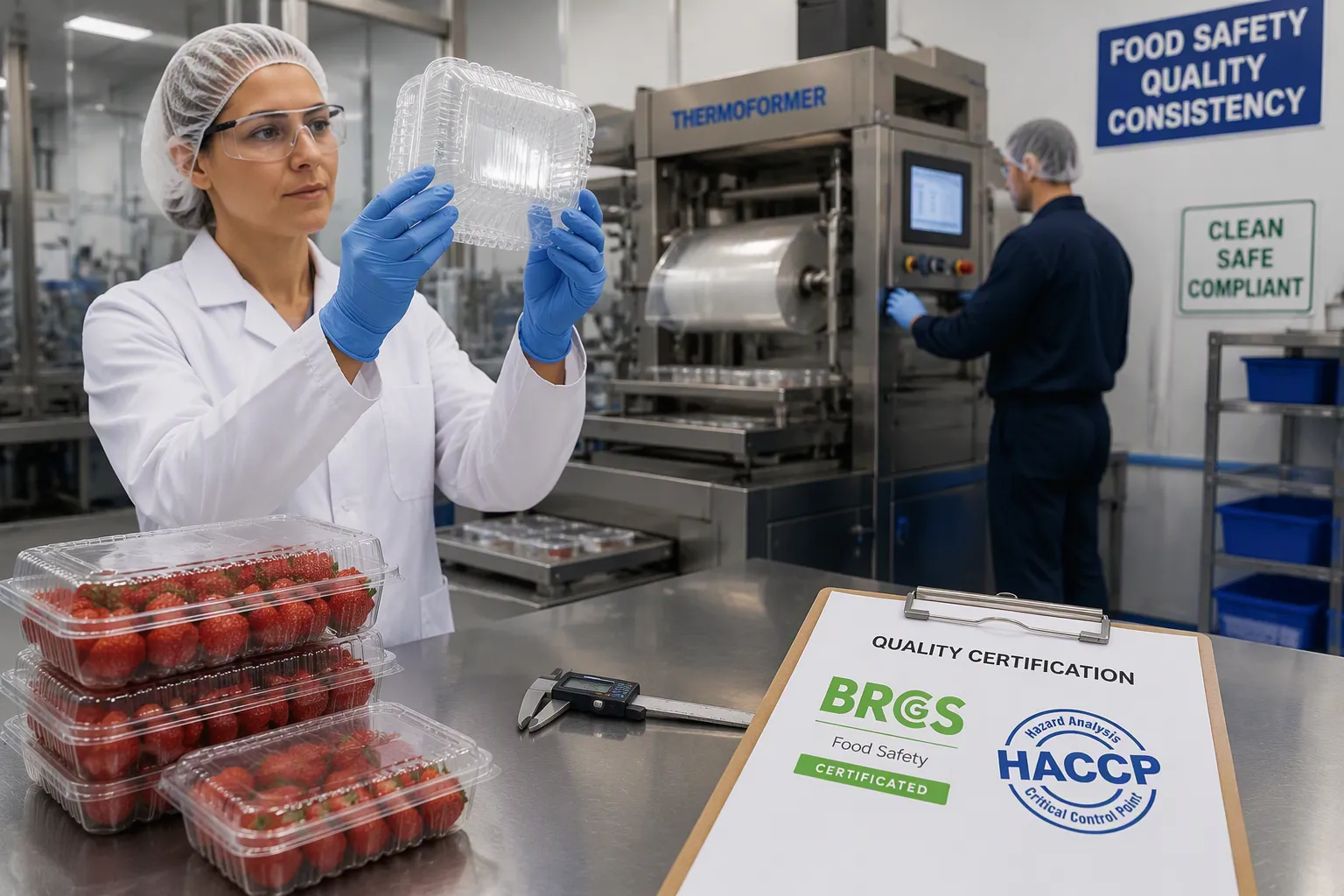
Food safety certifications are non-negotiable. Most major supermarket chains and food brands will not source from a manufacturer without them.
Production certifications are a critical requirement for food packaging manufacturers. A BRCGS Packaging certification ensures the factory meets strict hygiene, contamination control, and traceability standards specifically designed for food packaging manufacturing. Additionally, manufacturers should operate under HACCP for food safety management, ISO 22000, ISO 9001 for quality, and ISO 14001 for environmental management.
Material compliance matters too. Confirm that resins are FDA-approved for the US market or EU Regulation-compliant for Europe. Ask about PFAS-free treatments where grease resistance is needed. These checks protect your produce and your brand.
Consistency and Export Support
Dimensional consistency keeps automated packing lines running. Containers that vary in size jam denesters and cause lid misfits. Secure closures matter just as much. A snap-on lid that fails in transit leaks juice and damages neighboring packs. Request physical samples and test dimensions, rigidity, sealing, deformation resistance, and stackability. Run real-world checks such as stacking, lid seal, and freezer storage before you commit.
Vertically integrated facilities strengthen reliability. When a manufacturer controls resin sourcing, thermoforming, and tooling under one roof, quality stays consistent and lead times stay predictable. Evaluate production lines, monthly output, and standard lead times against your volume needs. Confirm minimum order quantities for each SKU, and treat unusually low prices with caution. Thin walls and missing certifications often hide behind cheap quotes.
Export support separates local suppliers from global partners. Supermarket chains and packing houses need manufacturers who understand export documents, international packaging standards, container loading, shipping logistics, and labeling requirements. Clear overseas communication prevents costly delays.
Vetting follows a simple path. Request samples, run stack and shipping tests, verify certifications, and check references from similar produce programs. These food storage containers carry your reputation across the cold chain. Reliable food storage containers protect freshness from packing house to shelf. Choose food storage containers from a manufacturer who proves consistency, safety, and export readiness before the first bulk order ships.
Unlike solid barrier films that can suffocate respiring crops, PET's exceptional thermoforming capabilities allow for precision micro-venting. This tailored airflow establishes an equilibrium modified atmosphere (EMA), effectively extending shelf life and cutting produce loss from the packing house to the retail shelf.
Before finalizing your PET fruit container selection, ensure your supplier checks these critical points:
Venting patterns matched to the crop's specific respiration rate
Reinforced stacking walls for cold-chain palletization
Leak-resistant, snap-on closures for transit security
FDA-compliant, BPA-free, and 100% recyclable #1 PET material
The right packaging is an investment in your brand's reputation. By partnering with a certified manufacturer, you ensure maximum freshness, reduced shrinkage, and superior shelf appeal for every produce shipment.
FAQ
Are PET fruit containers safe for direct food contact?
Yes. HSQY containers are FDA compliant and BPA-free. They are made from 100% recyclable #1 PET. These food storage containers meet food safety standards for fresh produce. The material protects produce from -20°C to +70°C.
Can these containers be used in a microwave?
No. These food storage containers handle temperatures up to 70°C, which suits cold chain and display. They are not microwave-safe. For ovenable produce needs, choose the CPET range instead.
What is the difference between virgin PET and rPET?
Virgin PET offers glass-like clarity. rPET uses post-consumer material and remains 100% recyclable. Both types of food storage containers are FDA compliant and BPA-free. Either option protects produce quality. Produce buyers can set recycled content at 30%, 50%, 70%, or 100%.
How does ventilation support freshness?
Precision vent holes drive air circulation through the pack. This airflow releases heat and ethylene gas from respiring produce. It also reduces condensation and mold on berries. Good fruit and veggie storage depends on this balance. Follow basic fruit and veggie storage tips: match vent size to respiration rate.
Which container format suits my produce?
Match the container format to the produce. Vented clamshells suit berries. Leak-resistant trays hold fresh-cut produce. Open trays fit leafy greens and asparagus. Boxes with lids work for fruit salads and gifts. These food storage containers protect produce across the cold chain.
Ready to Optimize Your Fresh Produce Packaging?
Contact our packaging experts today for a free consultation and request your custom PET container samples.
Get Custom Packaging SamplesStay Connected with HSQY
Recommended Products
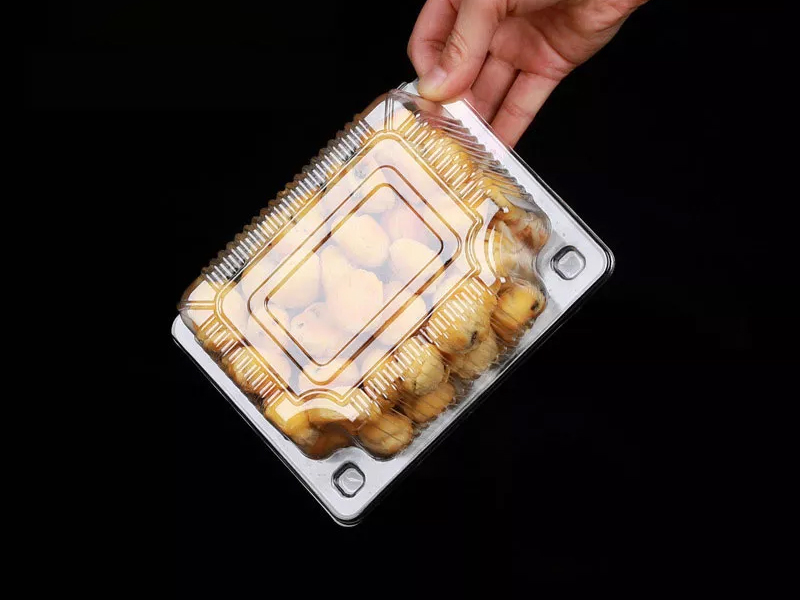
Rectangle PET Vegetable Tray – Greens Fresh Keeping Packaging Tray
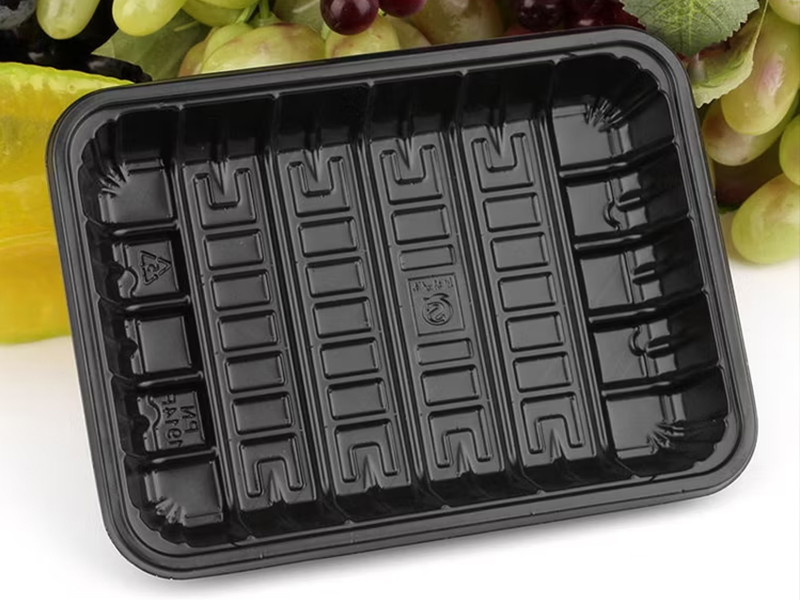
Clear Disposable PET Fruit Salad Food Container
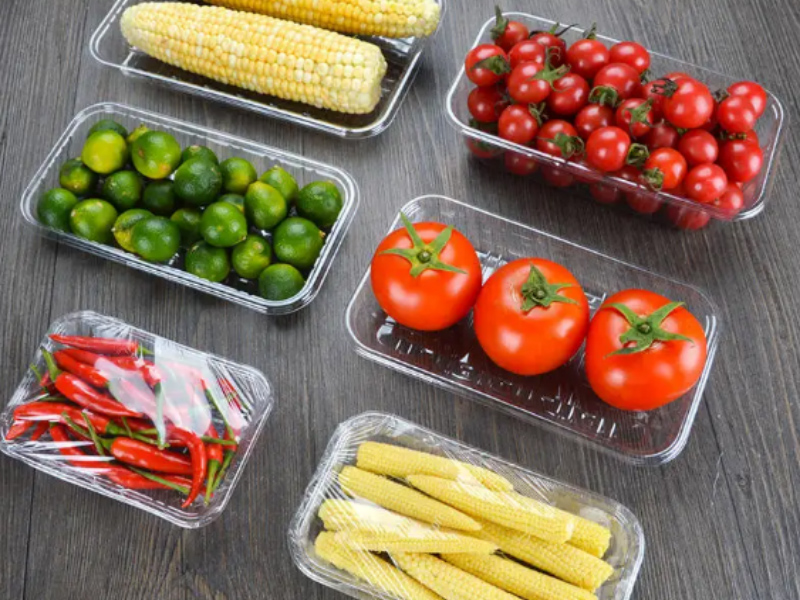
Plastic Ventilated PET Fruit Clamshell Container for Fresh Berries Blueberries Strawberries
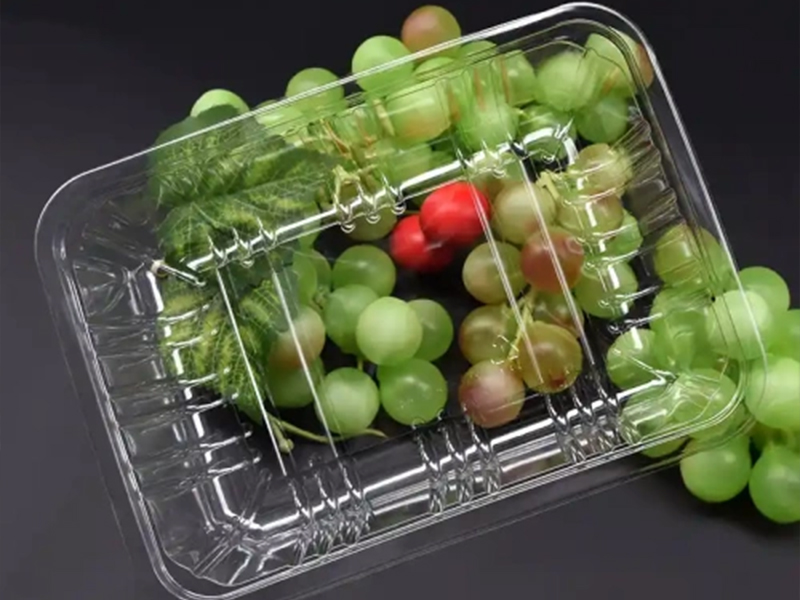
Customizable Clear Food-Grade PET Fruit Box with Lid
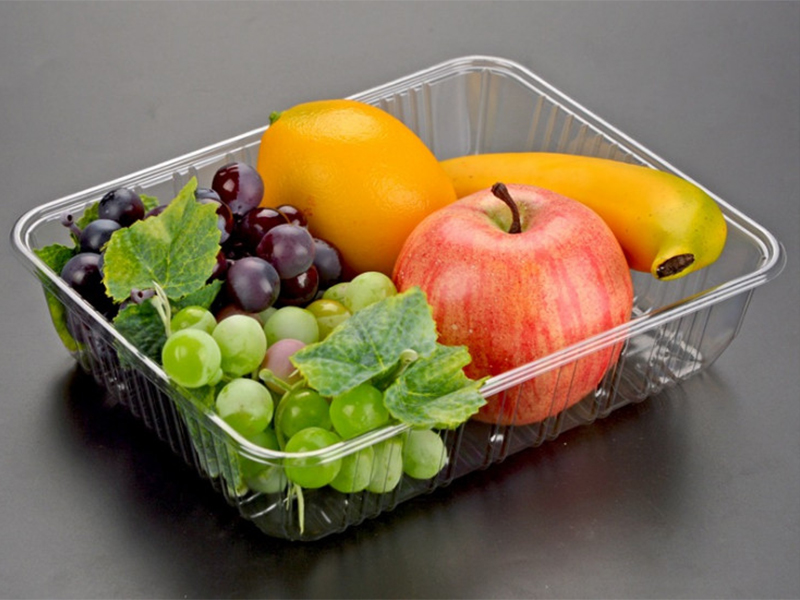
High-Strength Clear PET Fruit Tray for Supermarket
Recent News
1.Differences between CPET and PET in Thermoforming Applications
2026-03-212.How to Minimize Thermoforming Waste by Controlling CPET Sheet Thickness
2026-06-033.Choosing the Best PET Fruit Container for Safe and Fresh Storage
2026-06-294.Why CPET Food Trays Are the Best Choice for High-Heat Packaging
2026-06-165.How CPET Food Containers Stack Up Against PET and PP Packaging
2026-07-29