



 Plastic Sheet
 Food Containers
 Sealing Film


What is EVOH and How is it Used in Food Packaging
What is EVOH and How is it Used in Food Packaging?
EVOH (Ethylene Vinyl Alcohol copolymer) is a semi-crystalline polymer with one of the lowest oxygen transmission rates of any commercial plastic—often below 2 cc/m²/day in dry conditions. In EVOH in food packaging, it is almost never used alone. Instead, it is co-extruded as a thin internal barrier layer, typically 3–10 microns, sandwiched between moisture-resistant skins like PP or PE. This structure prevents oxygen ingress that causes oxidation, rancidity, and color loss, extending shelf life from days to months. EVOH film is the enabling material behind high-barrier packaging for ready meals, meat, cheese, and retort pouches.
Key Takeaways
Ultra-high dry barrier: EVOH blocks oxygen far more effectively than PVDC or Nylon at low humidity.
Moisture is the Achilles' heel: The hydroxyl groups that create the barrier also attract water, sharply reducing performance above 60% relative humidity or during retort processing.
Multilayer is mandatory: EVOH must be protected by PP or PE skins to function reliably in humid or wet-food applications.
Recyclability is nuanced: EVOH is often compatible with polyolefin recycling streams at low concentrations but complicates mechanical recycling in PET streams.
Why Does EVOH Have Such a High Oxygen Barrier?
EVOH is a random copolymer of ethylene and vinyl alcohol. The vinyl alcohol segments contain polar hydroxyl (–OH) groups that create strong intermolecular hydrogen bonding. This packs the polymer chains tightly, leaving virtually no free volume for gas molecules to pass through.
The ethylene content balances processability against barrier. Commercial grades typically contain 27–48 mol% ethylene. Lower ethylene content yields a tighter, higher-barrier structure—but also higher moisture sensitivity and harder processing. Pure polyvinyl alcohol (0% ethylene) has the best barrier but cannot be melt-processed.
In dry conditions, EVOH's oxygen permeability can be as low as 0.01–0.02 cc·mil/(100 in²·day·atm). Once co-extruded with PP and exposed to 50% relative humidity, that value rises to approximately 0.05–0.08—still exceptional, but a reminder that the surrounding structure defines real-world performance.
What Are the Limitations of EVOH in Real Production?
The Moisture Sensitivity Problem
EVOH's –OH groups are hydrophilic. As relative humidity climbs above roughly 60%, water molecules interact with these polar sites, disrupt hydrogen bonding, and plasticize the polymer. Oxygen permeability increases substantially, and the loss becomes even more severe at retort temperatures (121–135°C).
How Multilayer Structures Solve It
Standard industry practice encapsulates EVOH between moisture-barrier skins. A typical structure is PP / tie / EVOH / tie / PP. The outer and inner PP layers provide the water-vapor barrier; the tie layers bond the incompatible EVOH and PP.
For retort applications, formulators have historically added desiccants to adhesive layers to trap moisture before it reaches the EVOH. Biaxial orientation of the EVOH layer can also reduce moisture sensitivity.
For thermoforming EVOH, the material is rarely the forming surface. Its high rigidity and fast crystallization make it difficult to thermoform directly; it performs best as a buried barrier layer within a PP or PET matrix.
EVOH vs. PVDC vs. Nylon: How Do They Compare?
The three dominant oxygen-barrier plastics differ in dry performance, moisture robustness, and end-of-life profile.
| Property | EVOH | PVDC | Nylon (PA6) |
|---|---|---|---|
| Oxygen barrier (dry) | Excellent (~0.01–0.02) | Very good (~0.1–1) | Moderate (~2.6) |
| Moisture sensitivity | High (barrier drops with humidity) | Low (inherent moisture barrier) | Moderate |
| Retort performance | Needs moisture protection | Limited by temperature | Good |
| Environmental profile | Halogen-free; recyclable in polyolefin streams at low loadings | Contains chlorine; incineration concerns | Recyclable, but high processing temperatures |
Data compiled from comparative barrier tables in packaging science literature. Oxygen permeability values are approximate and depend on grade, thickness, and test conditions.
Is EVOH Compliant for Food Contact?
Yes, when the correct grade and structure are used. In the United States, EVOH copolymers are regulated under 21 CFR §177.1350 and §177.1360, which cover ethylene-vinyl acetate-vinyl alcohol copolymers intended for food-contact articles. In the European Union, EVOH must be manufactured from authorised monomers and additives under Regulation (EU) No 10/2011. The regulation also recognises functional barrier concepts that allow multilayer structures to manage migration.
For B2B procurement, request the specific grade's declaration of compliance (DoC), migration test data, and confirmation that the EVOH layer is not the food-contact surface unless explicitly cleared for that use.
Is EVOH Recyclable?
The answer depends on the carrier resin. EVOH is halogen-free and does not generate the chlorinated by-products associated with PVDC incineration. In polyolefin-based structures (PP/EVOH/PP), industry recyclability guidelines generally classify EVOH as compatible at low concentrations; Germany's Cyclos-HTP institute places it in Category 2, meaning it has no or negligible impact on recyclate properties up to a defined concentration.
In PET streams, however, EVOH can interfere with mechanical recycling and is often cited as a barrier to true bottle-to-bottle circularity. Buyers targeting mono-material PET recycling should verify the EVOH loading and the recycler's acceptance criteria.
Where Is EVOH Used in Food Packaging Today?
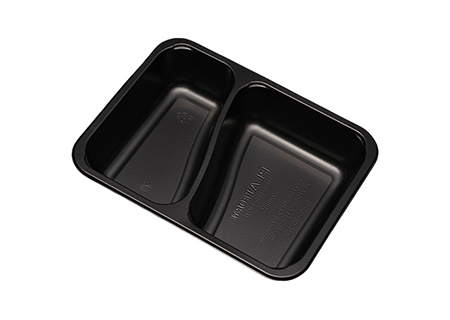
Retort pouches and trays: PP/EVOH/PP structures for shelf-stable ready meals, soups, and pet food.
Modified atmosphere packaging (MAP): Barrier layers for fresh meat, poultry, and cheese where oxygen exclusion preserves color and flavor.
Thermoformed cups and trays: Buried EVOH layers in PP or PET matrices for coffee capsules, dairy, and convenience foods.
Aroma-sensitive beverages: EVOH prevents limonene loss in orange juice and flavor scalping in aseptic packaging.
Need a high-barrier EVOH structure that survives retort or high-humidity cold chain?
Our engineering team specifies tie-layer chemistry, EVOH grade, and skin thickness against your actual processing conditions—not catalogue defaults.
Request a Technical Consultation →Frequently Asked Questions
Is EVOH film FDA compliant?
Yes, specific EVOH grades are listed under 21 CFR §177.1350/§177.1360 for food-contact use. Always confirm the individual grade's compliance statement and intended use conditions with your supplier.
What is the minimum order quantity for EVOH film?
MOQ varies by structure, thickness, and whether the film is supplied as roll stock or finished trays. For specialised multilayer EVOH films, trial quantities are commonly available before scale-up. Request a specification-specific quote.
Can EVOH be microwaved or retorted?
EVOH itself withstands retort temperatures, but its oxygen barrier degrades when moisture reaches the layer. In PP/EVOH/PP structures, the PP skins protect the EVOH; desiccants in tie layers may be needed for aggressive retort cycles.
Does EVOH work in thermoforming?
EVOH is difficult to thermoform directly due to rigidity and fast crystallization. It is almost always used as an internal layer within a thermoformable matrix such as PP or PET.
Looking for high-barrier EVOH packaging solutions? Contact our engineering team today to discuss your shelf-life targets and processing conditions.
Stay Connected with HSQY
Recommended Products
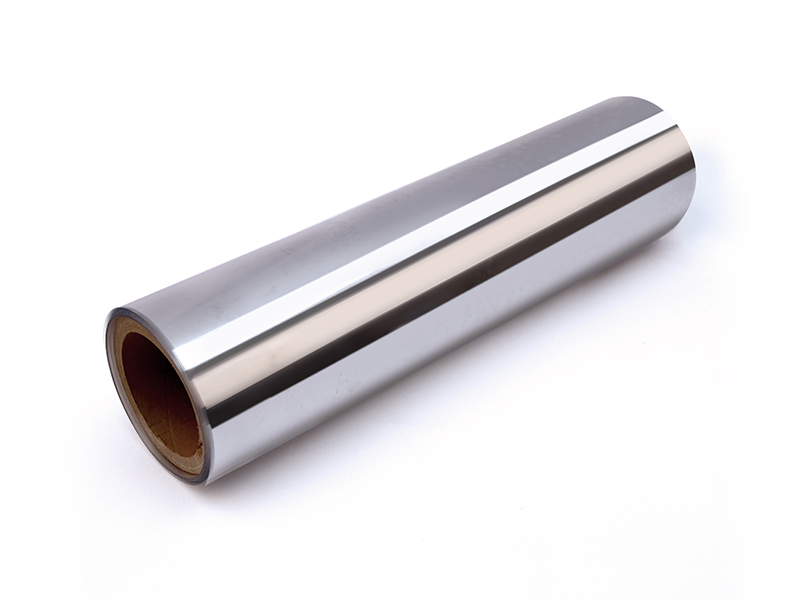
EVOH Plastic Sheet for Lithium Battery Pouch Cells
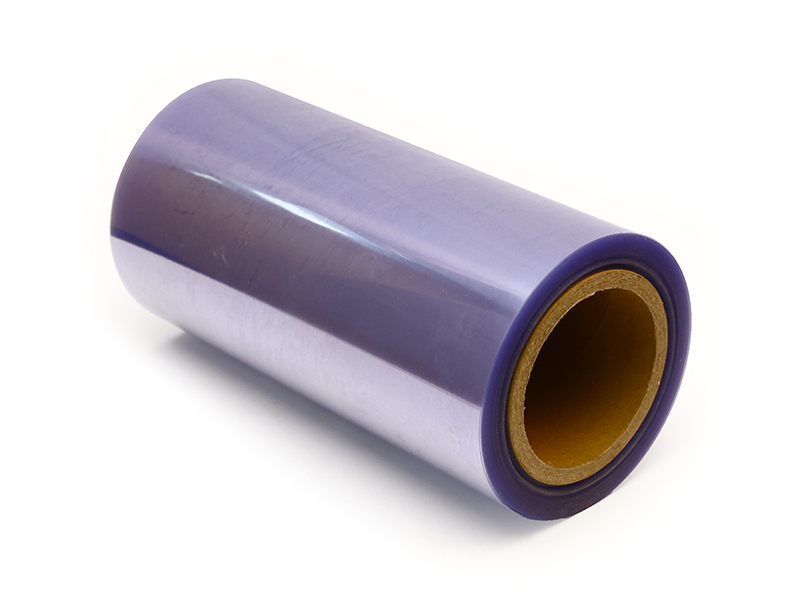
PA/EVOH 7-Layer Co-Extruded Film for Lithium Battery Pouch Cells - Ultra-High Barrier, Anti-Electrolyte
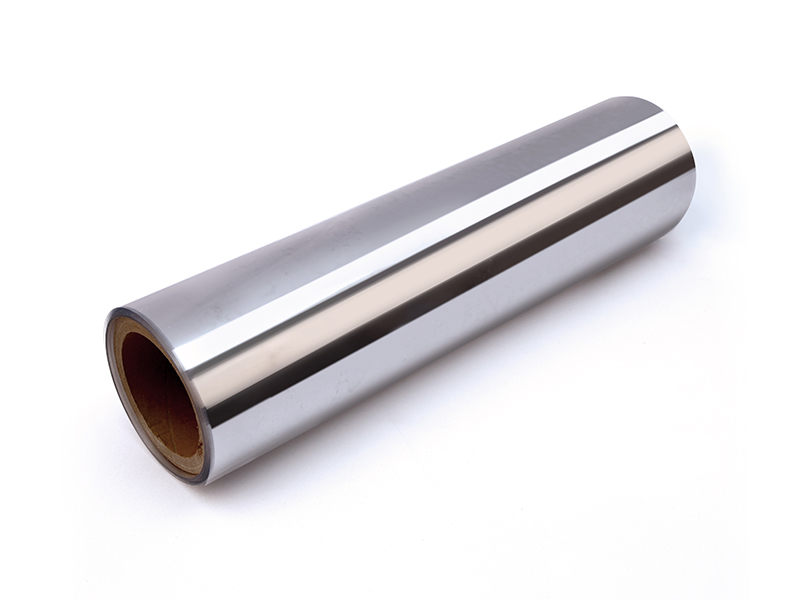
HSQY Multi Layer PA/EVOH/PE High Barrier Thermoforming Plastic Roll Film Transparent Packing Materials
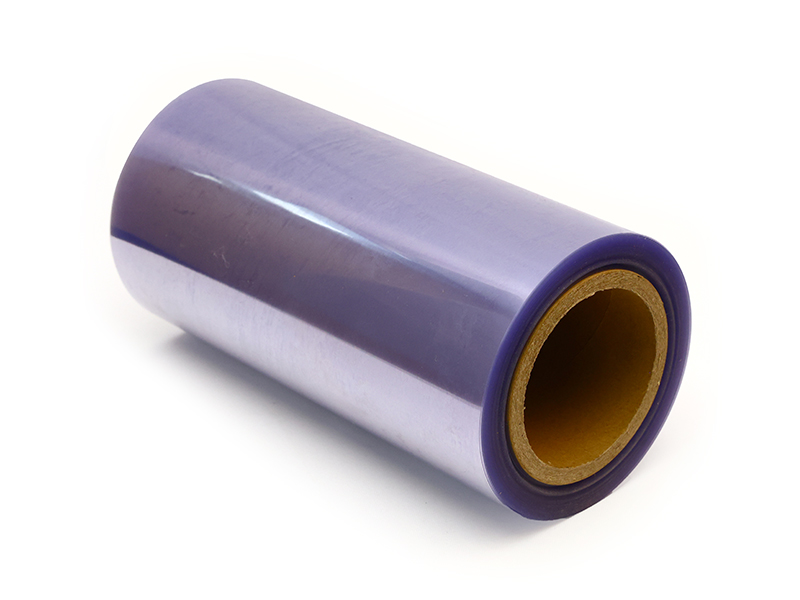
HSQY 0.05mm PA/EVOH Multilayer Packaging Film Thermoforming High Barrier Plastic Vacuum Film