



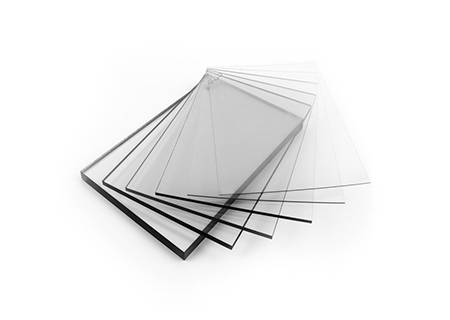
 Plastic Sheet


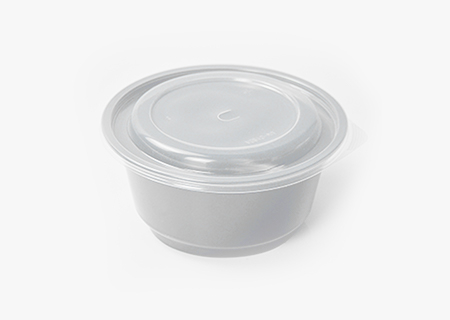
 Food Containers
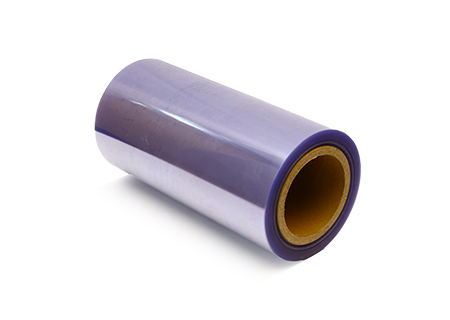
 Sealing Film


How to Choose a Food Container Supplier for Your Restaurant
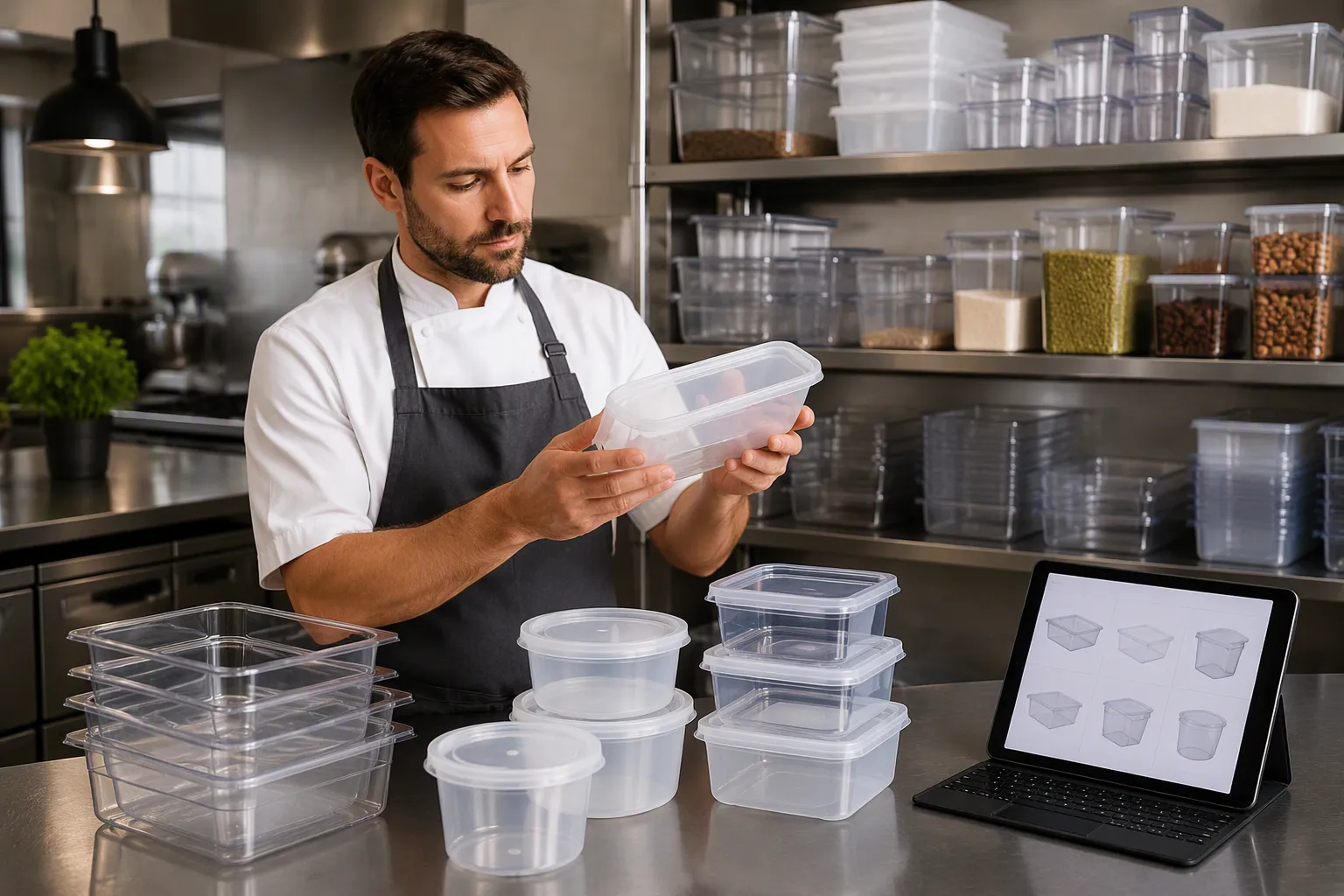
The Friday dinner rush hits its peak. A large takeout order leaves the kitchen. Ten minutes later, a call comes back: sauce has leaked through the bag, and the lid popped open in transit. That single failure costs a repeat customer.
How do you pick a food container supplier that fits your menu, budget, and values? The answer rests on five factors: materials, container types, sizing, sustainability, and delivery reliability. Each one shapes your food quality, your costs, and your brand. This guide walks through all five, so you can compare suppliers with confidence.
Key Takeaways
Choose containers based on your menu's temperature, moisture, and travel needs.
Test samples with real dishes to prevent leaks and sogginess before buying.
Right-size containers to control food costs and reduce waste.
Pick sustainable materials that meet customer expectations and your budget.
Vet suppliers for certifications, lead times, and reliable delivery.
A Commercial Food Service Container Buying Guide
Every restaurant owner relies on packaging to deliver food safely. The wrong container creates costly problems. Sauce leaks damage customer trust. Lids that pop open cause delivery failures. A supplier that understands commercial kitchens helps avoid these issues entirely. This section maps the key decisions ahead.
Why Supplier Choice Matters
A food container supplier directly affects your daily operations. The right containers keep hot food hot and cold food cold. They prevent leaks during transit. They stack well for storage without wasting space. These qualities reduce waste and keep customers satisfied from the first bite.
Supplier choice also impacts your bottom line. Leaky containers force refunds and replacements. Weak lids lead to negative online reviews. Poor packaging damages your brand reputation over time. A reliable supplier delivers containers that match your menu's temperature and moisture demands. This consistency saves money and protects your restaurant's long-term image.
Containers also influence portion control directly. The right size prevents overfilling that increases food costs. The right material prevents soggy food that disappoints diners. These details matter for cost management and customer retention. A good supplier offers guidance on these critical decisions without pushing unnecessary products.
Key Factors to Evaluate
This guide to successful restaurant packaging cases reviews five key factors. Materials determine heat tolerance and durability. Container types affect presentation and functionality for different service models. Correct sizing controls food costs and reduces material waste. Sustainability options meet growing customer expectations. Delivery reliability keeps your kitchen stocked and running smoothly.
Each factor connects to your specific business needs in practical ways. Your menu determines the material you require. Your service model affects container style choices for takeout or delivery. Your budget guides sustainability decisions without sacrificing performance. Evaluating these areas together helps you find the right match for your operation.
Use these factors as a checklist when comparing suppliers. Ask about their product range and expertise. Request samples to test performance in real conditions. Confirm lead times match your ordering patterns. A thorough evaluation prevents costly mistakes later. The right supplier becomes a long-term partner.
Food Service Container Materials Compared
Six common food container materials dominate restaurant packaging today. Each one behaves differently under heat, moisture, and pressure. Understanding these differences helps you choose the best packaging for your menu.
Foam, PP, Molded Fiber, PET, CPET, and Aluminum
Material | Strengths | Weaknesses | Best Uses |
|---|---|---|---|
Foam (EPS) | Lightweight, low cost, strong insulation | Not recyclable in most areas, limited heat tolerance. Warning: Banned in several US states (e.g., NY, CA) and EU regions. | Short trips, cold items, budget takeout (where legal) |
Microwave-safe, handles hot and cold foods, grease resistant | Less rigid than some options, can warp under extreme heat | Soups, curries, saucy entrées, reheated meals | |
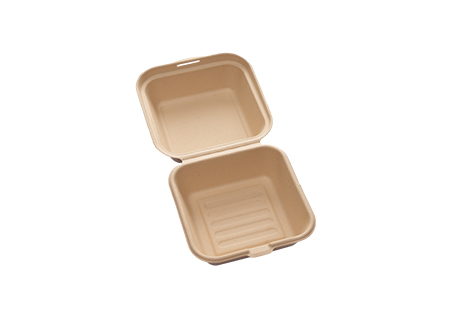
Molded fiber | Compostable, sturdy, handles heat well | Higher cost, can absorb moisture over long periods | Catering, hot entrées, eco-focused brands |
Crystal clear, shows food beautifully | Poor heat resistance, cracks when chilled | Salads, cold platters, desserts, grab-and-go | |
Oven & microwave safe, high heat tolerance, excellent barrier | Higher cost than standard PET, requires specific sealing films | Ready meals, airline catering, oven-to-table delivery | |
Aluminum | Excellent heat retention, oven-safe, highly recyclable | Not microwave-safe, opaque (hides food presentation) | Roasts, casseroles, long-distance hot delivery |
This comparison of food service container materials shows a clear trade-off. Foam wins on price and insulation. PP wins on versatility. CPET and Aluminum dominate high-heat applications. Molded fiber wins on sustainability. PET wins on cold presentation. No single option covers every need.
Matching Materials to Your Menu
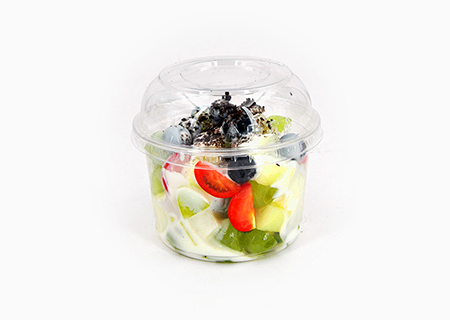
Temperature drives the first decision. Hot soups and stews demand PP or molded fiber. These materials hold their shape when filled with hot liquid. PET softens and distorts under the same conditions. Cold salads and desserts look best in PET, which stays clear in refrigeration.
Moisture and sauce load matter next. Greasy foods break down foam and untreated fiber over time. PP resists grease and holds sauces without leaking. Heavy sauce loads also demand a secure seal, which rigid materials provide more reliably than thin foam.
Travel time completes the picture. Long delivery routes expose containers to steam and vibration. Molded fiber and PP handle this stress well. Foam insulates effectively but crushes easily in a crowded bag.
A good supplier offers guidance on matching materials to food types. Ask for samples and test them with your actual dishes. Fill each container with a real portion, seal it, and simulate your delivery route. This test reveals leaks, sogginess, and temperature loss before you commit to a bulk order.
The right food service containers protect your food and your reputation. When you know how to decide which to use, you avoid refunds, soggy meals, and disappointed customers. Your menu, not a catalog, should drive the final choice.
Types of Food Service Containers and Features
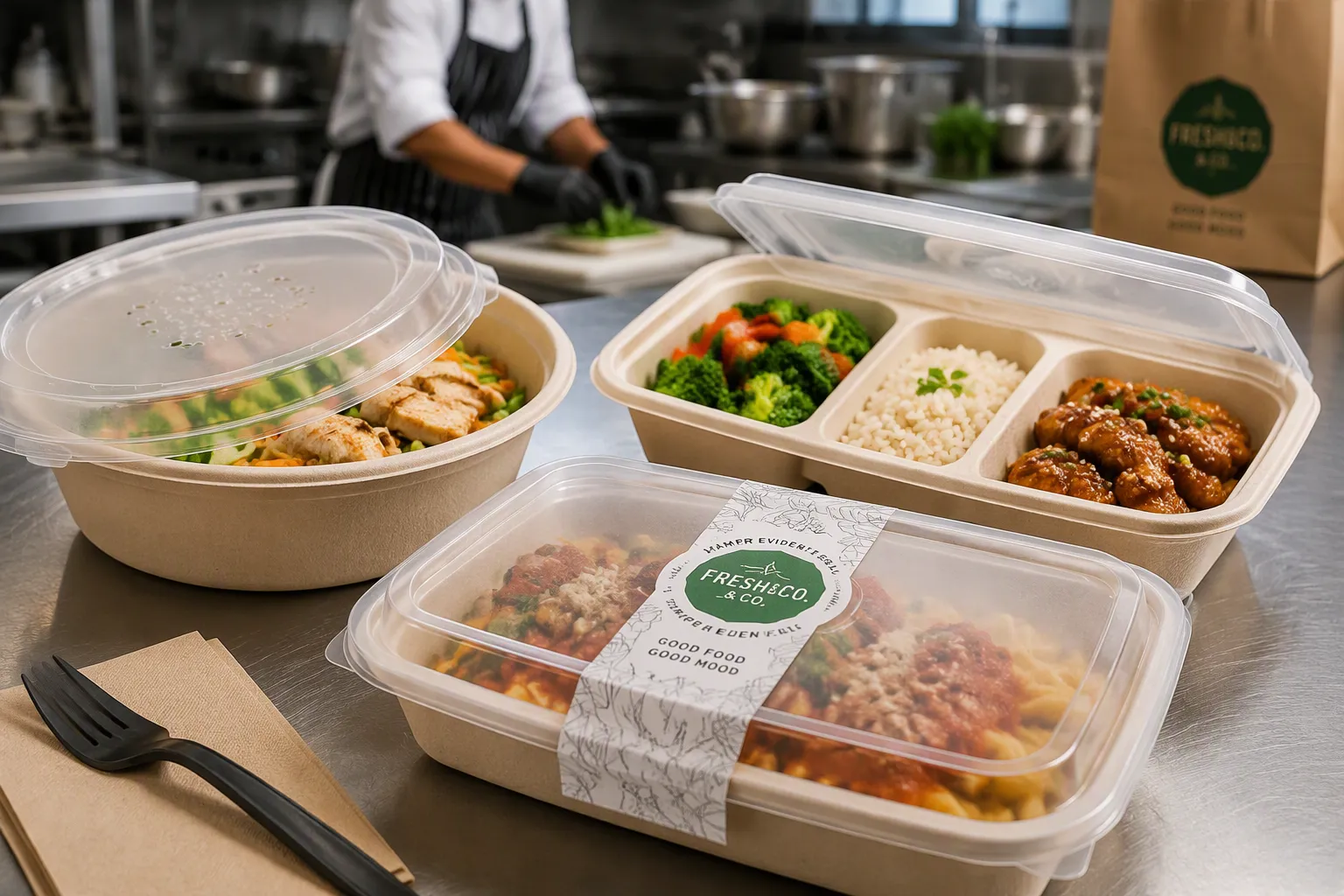
Selecting the right commercial food service container involves more than picking a shape off a shelf. The features built into each design determine how well food travels, how customers perceive your brand, and how efficiently your kitchen operates. Understanding these details helps you match packaging to your specific service model.
Vented Lids, Compartments, and Seals
Vented lids allow steam to escape from hot foods. This prevents sogginess in fried items and keeps crispy textures intact during transport. Without proper venting, moisture builds inside the container and ruins food quality within minutes. Many suppliers offer vented lids as a standard option or a customizable feature.
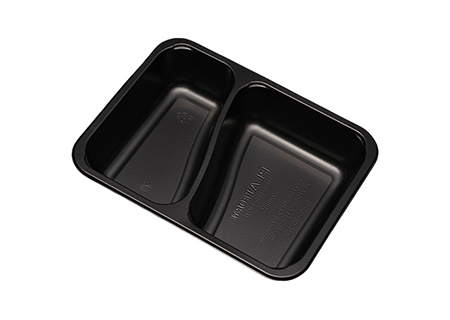
Compartments separate different foods within a single container. A divided tray keeps sauces away from crispy elements. It prevents flavor mixing that ruins otherwise good meals. These containers for delivery and takeout work especially well for combo plates and bento-style offerings.
Tamper-evident seals provide physical proof that food has not been touched since packing. Recent consumer perception surveys confirm their value:
"Physical prevention measures, such as tamper-proof seals, were the most trusted means of identifying authentic and safe foods."
This trust translates directly into customer confidence. Secure lids and seals also prevent accidental spills during handling. A leak-resistant design protects both the food and the delivery bag.
Branding options round out the feature set. Custom printing on lids or container bodies turns plain packaging into a marketing tool. Marketing research shows the impact clearly:
Metric | Value |
|---|---|
Percentage of restaurant owners who think logos on packaging are required | Approximately 75% (three quarters) |
Average ROI from branding on takeout packaging | 7:1 return on investment |
These numbers demonstrate that branded packaging delivers measurable returns. A supplier offering custom printing helps elevate restaurant identity with every order.
Matching Style to Your Service Model
Different service models demand different container types and features. Takeout orders often travel short distances and need quick packing. Simple clamshells with secure lids work well here. Delivery orders face longer transit times and rougher handling. These require durable and leak-resistant construction with reliable sealing.
Catering presents unique challenges. Large volumes, extended holding times, and presentation expectations all matter. Stackable trays with compartments and vented lids serve catering operations effectively. The right food service containers for delivery balance protection with presentation.
Consider your menu when choosing between clear and solid containers. Saucy dishes need deep containers with tight seals. Fried foods benefit from venting. Salads require clear materials that show freshness. Each decision affects customer satisfaction.
A supplier with broad expertise guides these choices. They understand how container types and features interact with real-world conditions. They offer samples for testing before you commit to bulk orders. This support reduces costly mistakes.
When comparing suppliers, prioritize those who understand your service model. Ask about their experience with restaurants similar to yours. Request examples of how their food service containers perform under your specific conditions. The right partner helps you select features to keep in mind for your operation.
Sizing Your Commercial Food Service Container
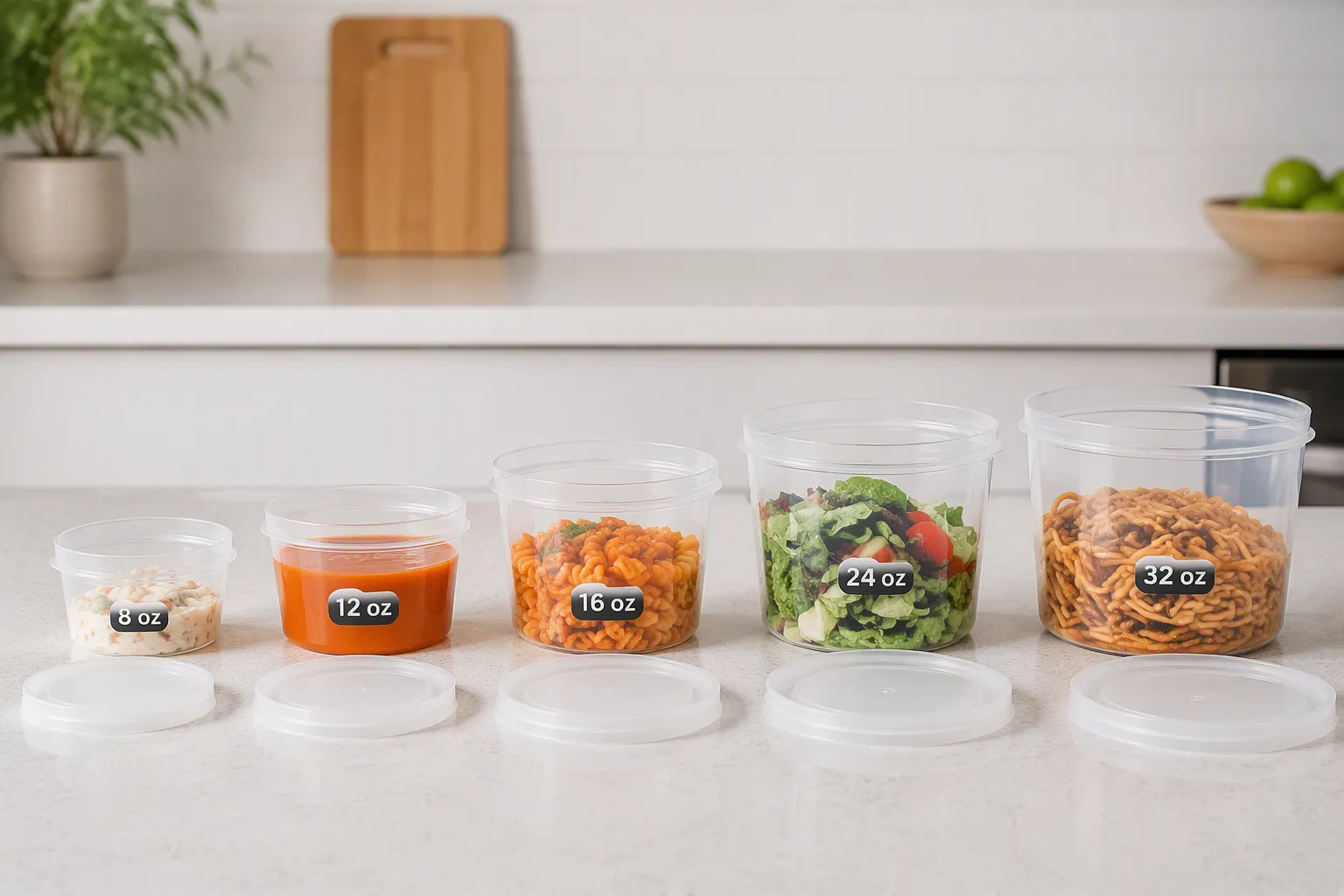
Choosing the correct container size directly affects food costs and customer satisfaction. An oversized container wastes packaging material and makes portions look small. An undersized container forces tight packing that damages food presentation. Understanding common sizes and their uses solves this problem.
Common Sizes and What They Hold
Container Volume | Recommended Portion Use | Usable Capacity |
|---|---|---|
8 oz | Side dishes, desserts, sauces | 6–7 oz |
12 oz | Soups, small mains, lunch portions | 10–11 oz |
16 oz | Standard entrées, pasta, stir-fry | 13–14 oz |
24 oz | Large salads, noodle soups, poke bowls | 20–22 oz |
32 oz | Family portions, pho, meal prep | 26–28 oz |
Usable capacity accounts for 15–20% headspace. This space prevents spills and allows proper lid closure. Filling a container to its brim almost guarantees leaks during delivery.
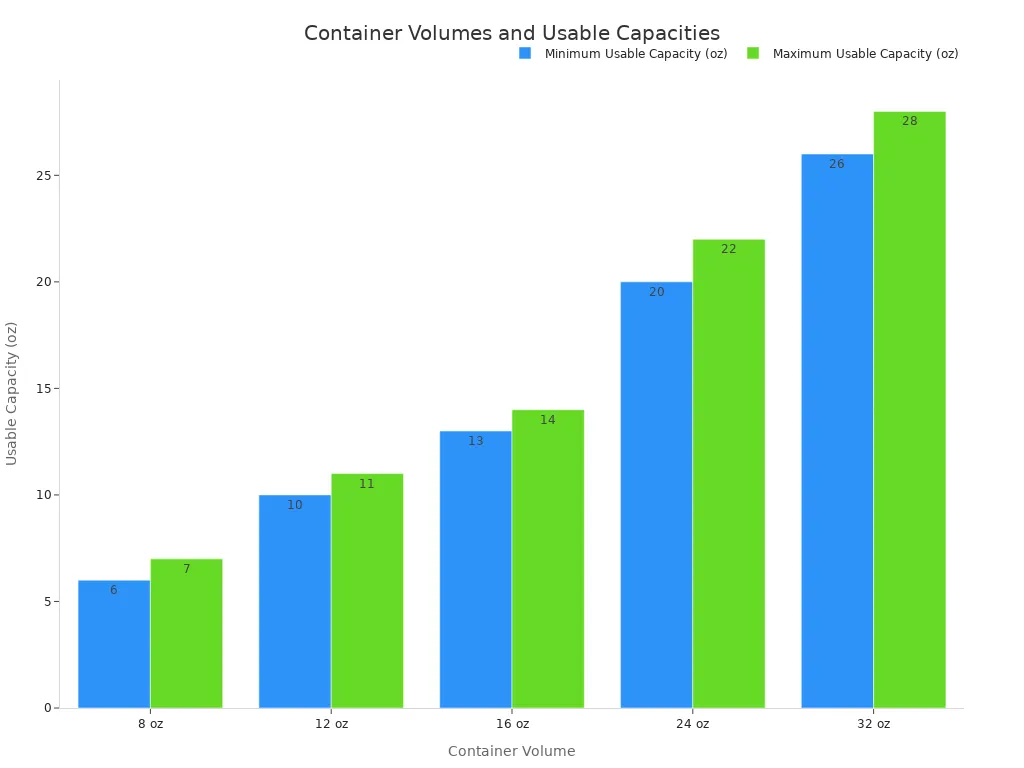
The 16 oz container represents 65% of takeaway entrée orders in the US food service market (National Restaurant Association, 2025). It balances portion satisfaction with cost efficiency.
A standard pasta with sauce fills 13 oz comfortably inside a 16 oz container. The remaining headspace keeps the lid secure during transport. Smaller containers serve specific needs. The 8 oz size holds side dishes such as mac & cheese (6 oz) or desserts (6 oz). The 12 oz size works well for lunch portions like soup (10–11 oz) or chili (9 oz).
Larger formats handle generous servings. The 24 oz container accommodates a poke bowl (20 oz) or large salad (18 oz). The 32 oz size holds a full pho portion (28 oz) or family pasta (28 oz). These sizes for takeout allow generous servings without overflow.
A Pro Tip for Testing Sizes
Test container sizes with your actual menu before placing a bulk order. Prepare each dish in its intended quantity. Fill the container and close the lid. Simulate a delivery route by shaking the container gently and setting it on its side for five minutes. This test reveals leaks and poor fit.
A systematic test across different sizes takes one afternoon. Use these standard sizes as a starting point. The right food service container fits snugly without crushing the food.
Right-sizing offers clear financial benefits. Using a 12 oz container instead of 16 oz for small sides reduces material cost. It also produces less waste. Controlling portion size through container choice helps manage food costs directly. A commercial food service container that matches your portion eliminates guesswork during plating.
These food service containers serve as tools for consistency. Every order looks the same. Every lid seals properly. Every customer receives the correct portion. Testing confirms these outcomes before inventory arrives.
Sustainable Options from Your Food Container Supplier
Sustainability now shapes purchasing decisions for many restaurant owners. Customers expect eco-friendly packaging choices that reduce environmental impact. A food container supplier that offers sustainable materials helps meet this demand without sacrificing performance. Understanding the available options helps you make informed choices.
Compostable, Recyclable, and rPET Choices
Three compostable materials lead the sustainable packaging market. Cornstarch-based containers come from fermented plant sugars. Sugarcane bagasse uses fibrous waste left after juice extraction. PLA is a bioplastic made from renewable resources. Each option breaks down under the right conditions, though timelines differ.
While compostable options are gaining traction, rPET (Recycled Polyethylene Terephthalate) remains one of the most practical and widely recycled sustainable choices in the US and European markets. Made from post-consumer plastic bottles, rPET offers the same clarity and durability as virgin PET but significantly reduces the carbon footprint and landfill waste.
Material | Decomposition / Recycling Time | Conditions |
|---|---|---|
Cornstarch-based | 45–60 days | Industrial compost or well-managed home compost |
Sugarcane bagasse | 60–90 days | Industrial compost |
PLA | ~90 days | Industrial compost (≥58°C, high humidity) |
rPET | Infinitely recyclable | Standard curbside recycling facilities |
These times come from controlled degradation tests. Your supplier should confirm whether local facilities can process these materials.
Cost remains a key consideration for most operators:
Eco-friendly tableware typically costs 10–15% more per unit than traditional plastic.
For cutlery, the difference is steeper. Cornstarch sets run $0.035–$0.045 per set compared to $0.025 for plastic. That represents a 40–80% cost increase.
The higher price reflects the extensive processing required to produce PLA from corn.
Balancing cost, performance, sustainability is essential when evaluating these options.
Certifications That Matter
Trustworthy certifications verify a supplier's claims about its products. ISO certification confirms consistent quality management systems. SGS certification validates independent product testing. FDA certification ensures materials meet food contact safety standards. A supplier with these credentials provides reliable documentation for every product.
These common food container materials require proper handling and disposal. Compostable items need specific temperature and humidity conditions. Recyclable items must enter the correct waste stream. Your supplier should offer clear guidance on disposal requirements for each product type.
The right balance between eco-friendly goals and operational needs differs for every restaurant. A supplier that understands food container materials helps you find solutions that work for your menu and your budget. Request certification documents before committing. Test samples in your actual operations. This due diligence protects your investment and supports your sustainability commitments.
Delivery, Reliability, and Supplier Vetting
A great container means nothing if it arrives late. Delivery reliability separates dependable food container supplier partners from unreliable ones. Lead times, minimum orders, and shipping costs shape your ability to keep shelves stocked.
Lead Times, Minimums, and Shipping
Production timelines vary by order type. Plain bulk containers ship in 15–25 days. Custom printed orders require 25–40 days after artwork approval. This includes dieline checking and color proofing. Ocean freight from China to the US adds 14–38 days. Peak season in Q3 and Q4 adds another 2–4 weeks. Plan orders around these windows to avoid stockouts during busy periods.
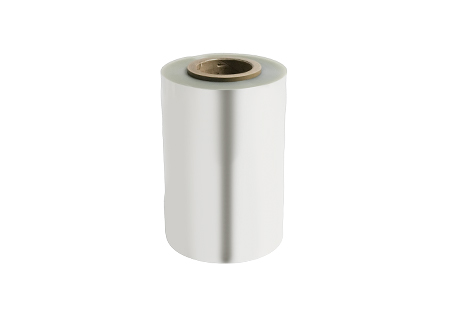
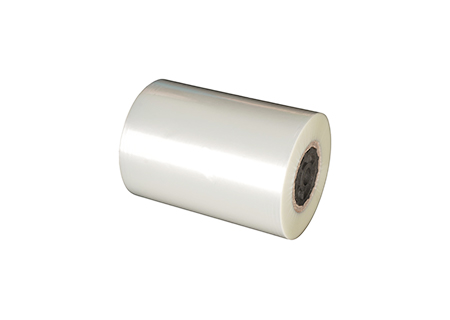
Minimum order quantities depend on printing method. Digital printing starts from 6,000 units. Rotogravure printing requires 10,000 units or more. Rollstock and thermoforming film start from 50,000 print repeats. Smaller restaurants can negotiate flexible MOQs by committing to regular orders. Teaming up with nearby businesses helps meet quantity thresholds. Consolidating orders with other takeout operators unlocks better wholesale tiers.
One-stop suppliers simplify everything. They integrate materials, containers, and machines under one roof. This ensures 100% compatibility between containers and sealing films (preventing the dreaded 'leak during transit') and reduces vendor management headaches. HUISU QINYE exemplifies this model. With over 15 years of experience and 12 affiliated factories since 2008, they offer plastic sheets, food containers, sealing films, and thermoforming machinery as a unified solution.
Questions to Ask Before You Commit
Vetting a supplier requires direct questions. Ask about their production capacity and current lead times. Request certification documents for ISO, SGS, and FDA compliance. Confirm their minimum order requirements and whether they offer flexibility for growing businesses.
Inquire about shipping costs and delivery schedules. Ask for references from restaurants with similar business needs. Request samples and test them under real conditions. A supplier that answers openly and provides documentation earns trust. Long-term commitments often translate into better pricing and more consistent service. Predictability matters to suppliers, so offer volume commitments in exchange for fixed rates.
Before signing anything, verify their track record. A supplier with years of experience and multiple facilities offers stability. This protects your restaurant from supply chain disruptions.
Five factors guide your final decision: material, container type, size, sustainability, and delivery reliability. The best food container supplier balances cost, quality, and environmental impact for your specific restaurant. No single option fits every menu or budget.
Request samples before you commit. Ask about certifications, lead times, and minimum orders. Test containers with real dishes under real conditions. Seek further advice when a choice feels uncertain. Careful vetting now prevents costly mistakes later.
Ready to Upgrade Your Restaurant's Packaging?
Stop worrying about leaks, sogginess, and supply chain delays. Partner with a reliable expert.
Contact HUISU QINYE for Free Samples & QuotesFAQ
Do I need a different container for every menu item?
No. Most menus run on three or four sizes. A 16 oz container handles standard entrées, an 8 oz covers sides and sauces, and a 32 oz serves family portions. Fewer sizes simplify ordering and keep storage manageable.
What should I check on a sample order?
Fill each container with a real portion, close the lid, then shake it gently and lay it on its side for five minutes. This test exposes leaks, crushed food, and sogginess before a bulk order ships.
Which certifications should I verify before buying?
Ask for ISO, SGS, and FDA documents. ISO confirms a consistent quality management system. SGS validates independent product testing. FDA shows food-contact safety compliance. A dependable supplier provides these records for every product in your order.
How early should I place a custom printed order?
Plain bulk containers ship in 15–25 days. Custom printing needs 25–40 days after artwork approval. Ocean freight adds 14–38 days to that timeline. Peak season in Q3 and Q4 adds another two to four weeks.
Is a one-stop supplier worth the commitment?
Often yes. A supplier that integrates plastic sheets, containers, sealing films, and thermoforming machines guarantees compatibility and reduces vendor management. HUISU QINYE has run this model for over 15 years across 12 affiliated factories.
Stay Connected with HSQY
Recommended Products
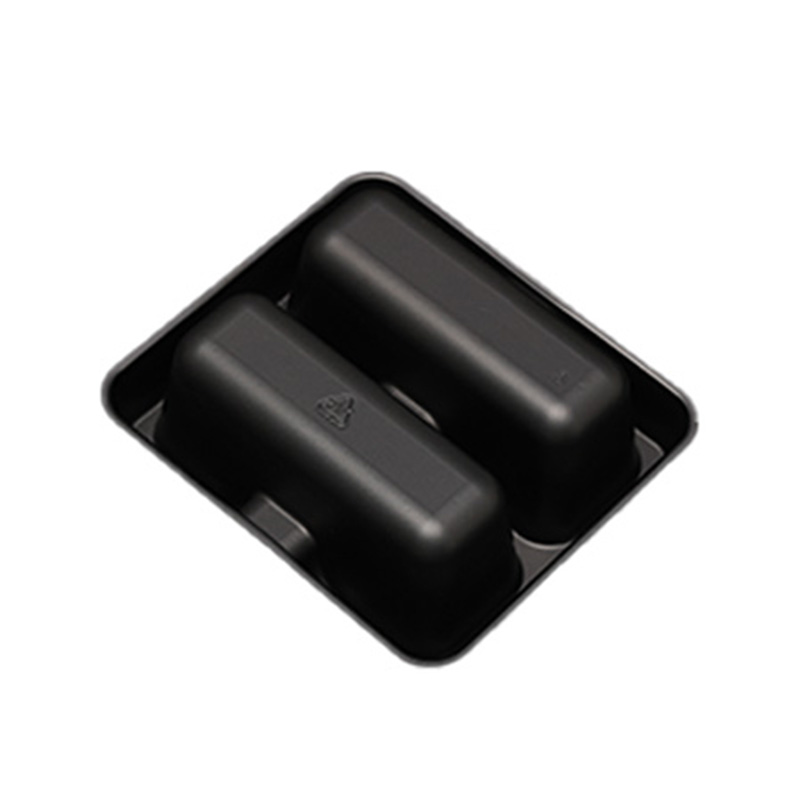
Black CPET 2 Compartment Tray Ovenable CPET Food Container
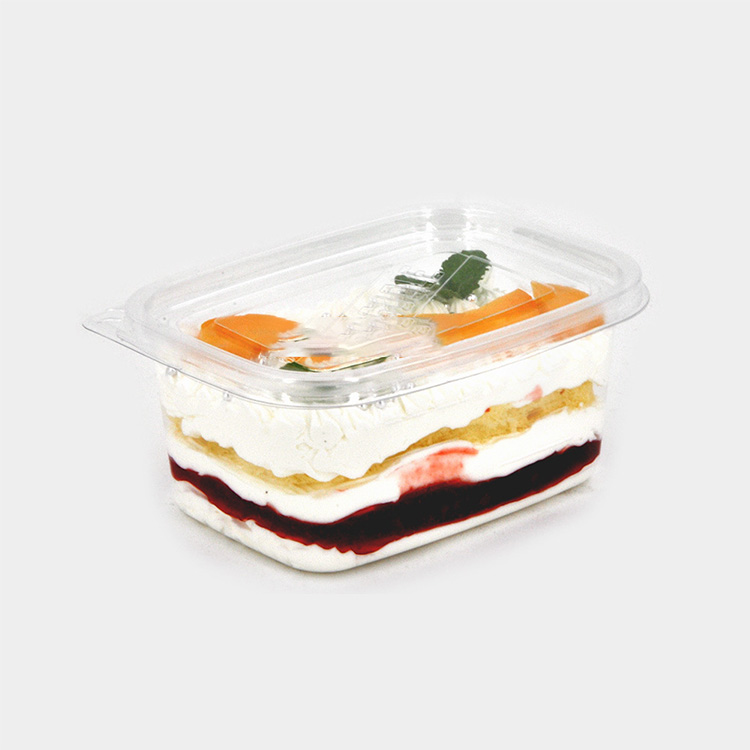
Transparent Round PET Cake Container Plastic Blister Box for Dessert Display
Heat Resistant PP Sheet 0.5mm 0.8mm Transparent Roll Stock for Hot Fill Food Containers
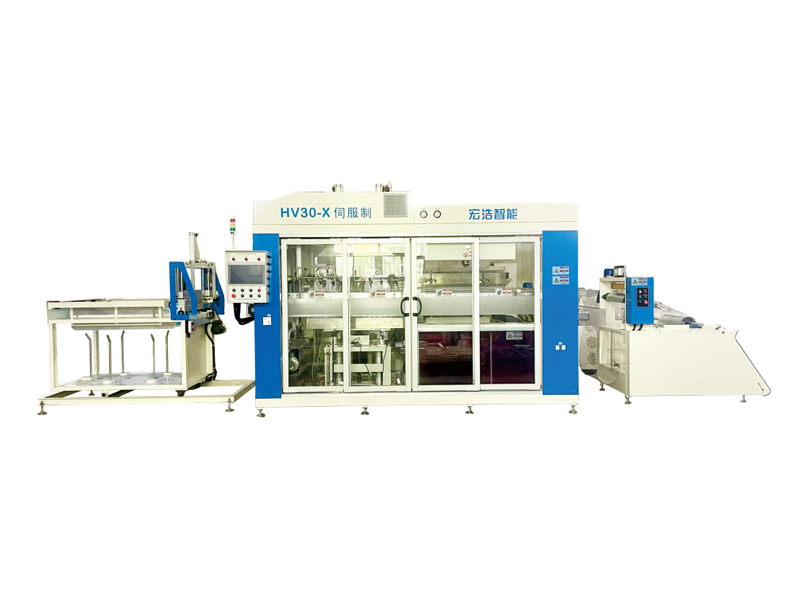
HV30-X blister vacuum forming machine for food container
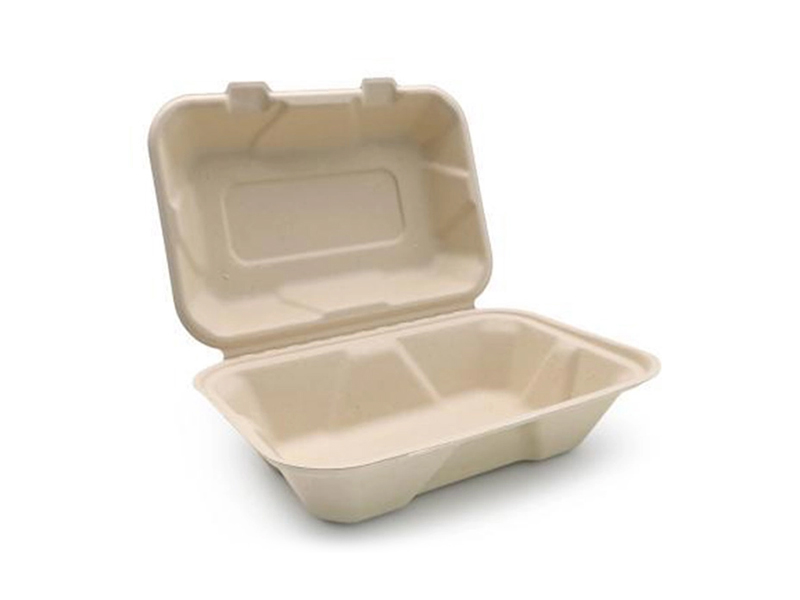
100% Compostable Disposable Take out Sugarcane Bagasse Pulp Paper Food Container
Recent News
1.Choosing the Best PET Fruit Container for Safe and Fresh Storage
2026-06-292.Clear or Solid The Best Food Container Choice
2026-09-013.PET Food Container Leaks: The Film Mismatch Fix
2026-09-074.Best Meal Prep Compartment Containers: Selection Guide
2026-08-105.How CPET Food Containers Stack Up Against PET and PP Packaging
2026-07-29