


 Plastic Sheet



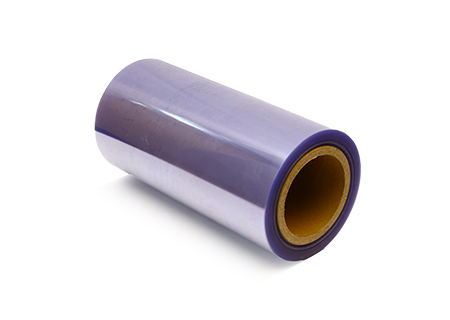
 Food Containers
 Sealing Film


How to Choose CPET Trays for Airline Catering and Ready Meals
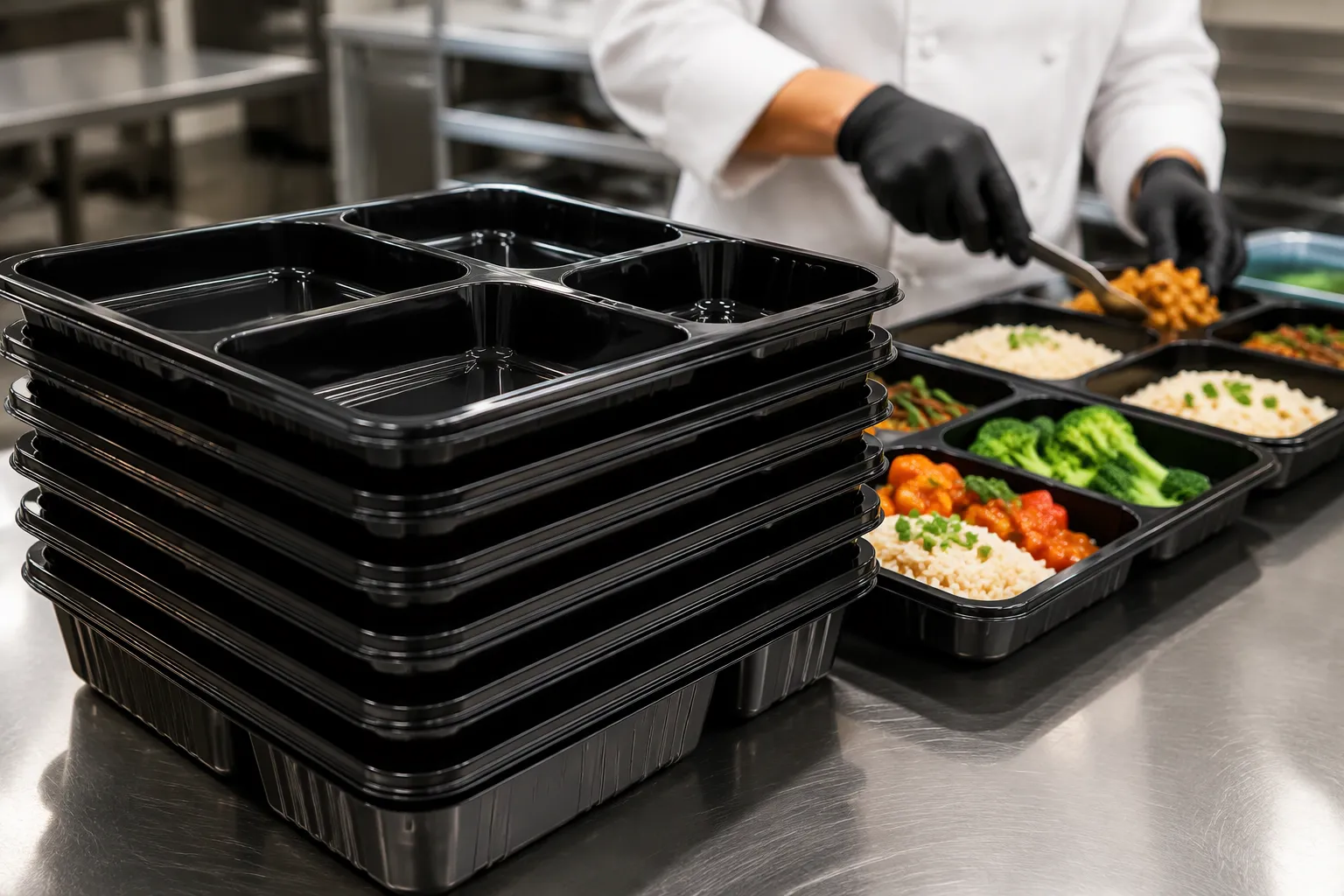
Tray selection comes down to five criteria: the reheating path and temperature envelope, size and weight against galley equipment, sealing and food-contact compliance, total cost per meal, and supplier reliability. Each one shapes how food travels, reheats, and reaches the passenger or consumer.
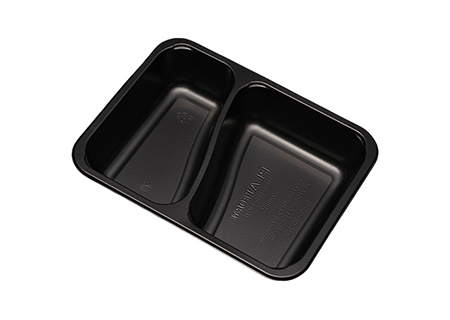
A CPET tray is rigid and dual-ovenable. It handles inflight reheating and sealed ready meals in the same format, and it suits both cook-chill and cook-freeze service. That range is why airline caterers and ready-meal producers shortlist it so often.
This guide offers a criteria-driven method. Apply it to your own catering or ready-meal operation, and let each decision follow the actual handling path rather than habit.
Key Takeaways
Define your reheating path first. This step shapes every tray decision.
Match the tray material to the reheating method. A CPET tray works in both convection ovens and microwaves; aluminum does not.
Check the CPET tray against standard Atlas galley equipment before you measure anything else.
Verify food-contact migration limits and test seal integrity on the exact tray and film combination.
Compare total cost per meal, not tray price. Include tooling, film, and waste from poor sheet thickness control.
Choose CPET Trays: Define Operational Requirements
Map the Reheating Path
Start with the delivery path. The FDA Food Code sets cold holding at 41 °F (5 ℃) or below and hot holding at 135 °F (57 ℃) or above, and many airline and catering specifications tighten those floors to 40 °F and 140 °F. That single fact shapes the tray choice more than any catalog photo. A chilled meal must survive cold storage, then move to an oven or microwave for reheating. A hot-held meal must stay above the hot-holding floor through loading and service.
Write down every step the tray will travel: blast chiller, cold room, galley cart, oven, and tray table. Note the highest and lowest temperatures at each step. Note the reheating method, whether convection oven, microwave, or both. When you choose CPET trays, this map tells you whether a dual-ovenable format fits the route or whether a single reheating method is enough.
Set Weight and Space Targets
Airline trays answer to standard equipment before they answer to preference. Most of the world's fleets load meals into Atlas-standard trolleys and ovens, so the first check is whether a candidate CPET tray fits that geometry. HUISU QINYE's airline CPET trays, for example, are built to standard Atlas trolley dimensions. Only after that baseline is confirmed should you measure any non-standard carts or ovens in your own fleet.
Empty weight deserves equal attention. Every gram multiplies across hundreds of meals per flight, and fuel and handling costs follow. Weigh a sample tray empty, then weigh it loaded with a typical portion, and record both numbers. Set a target stack height and a target empty weight, then hold suppliers to those figures. This discipline makes it far easier to choose CPET trays that fit your carts, your ovens, and your weight budget without last-minute substitutions.
Compare Tray Materials
Where CPET Fits
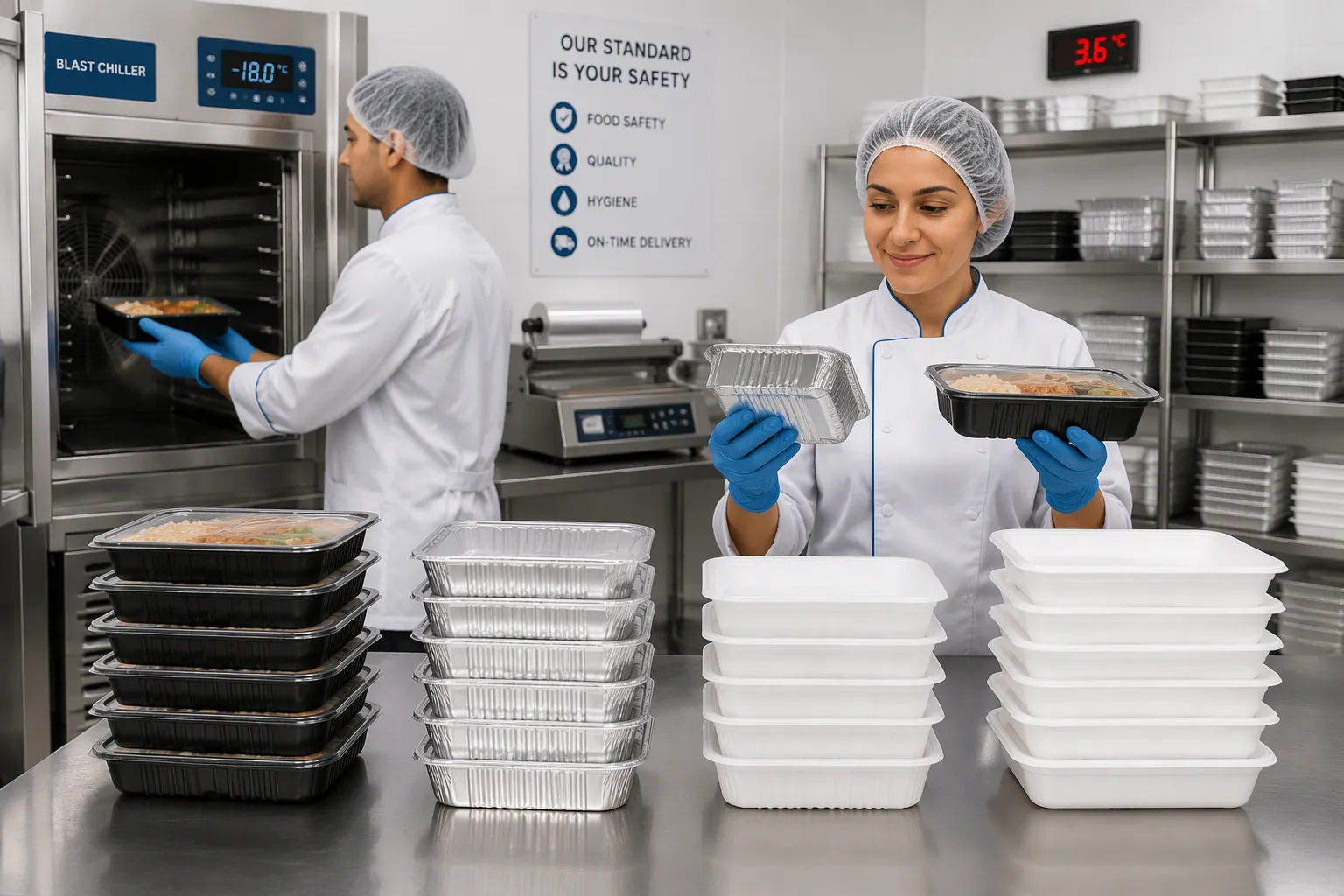
CPET earns its place in airline catering through four practical advantages. First, it is dual-ovenable: the same CPET tray tolerates convection oven heat and microwave reheating, while aluminum cannot go into a microwave at all. Second, it is lighter than aluminum, by about 30 percent in comparable formats, and every gram saved multiplies across a flight's meal count. Third, CPET passes metal-detector checks on the filling line, which aluminum cannot do. Fourth, a rigid flange supports a hermetic, leakproof film seal, and that matters when a chilled meal shifts during turbulence.
CPET is designed for cook-chill and cook-freeze service. It withstands freezer storage down to −40 ℃ and oven heat up to 220 ℃, and it is microwave-safe. That range covers blast chilling, cold room holding, galley reheating, and passenger-side warming in one format. Operations that run both chilled and hot-held meal programs can standardize on a single tray family and simplify their loading plans.
How Alternatives Compare
Each material has a natural home. The table below shows where each option fits.
Material | Primary use | Key strengths |
|---|---|---|
CPET | Dual-ovenable airline meals, cook-chill and cook-freeze ready meals | Oven and microwave tolerance, low weight, metal-detector friendly, hermetic sealing, freezer-to-oven range |
Aluminum | Oven-cooked meals that require browning | Browning performance, high conductivity, recyclability; cannot be microwaved or pass metal detectors |
PP | Microwave-only ready meals and short-shelf-life applications | Durable, suited to microwave-only reheating paths, competitive cost |
Foam (EPS) | Legacy single-use service; phased out for food contact across the EU and several US states | Low weight; shrinking regulatory acceptance |
Aluminum remains the stronger choice for oven-cooked meals that require browning, because its thermal conductivity crisps surfaces that plastic cannot. It also carries an established recycling stream and, in some markets, lower extended producer responsibility fees. A caterer with a browning-heavy menu should keep aluminum in the mix.
PP suits microwave-only ready meals and short-shelf-life applications. Foam tells a different story: expanded polystyrene food containers are being phased out across the EU and several US states, so it now serves mainly as a reference point rather than a live option.
The comparison is a matching exercise, not a contest. Map each menu item to its reheating path, its shelf life, and its presentation goal, then assign the material that fits that path. Many catering operations run two materials side by side, and that approach often delivers the stronger result per meal.
Evaluate Size and Performance
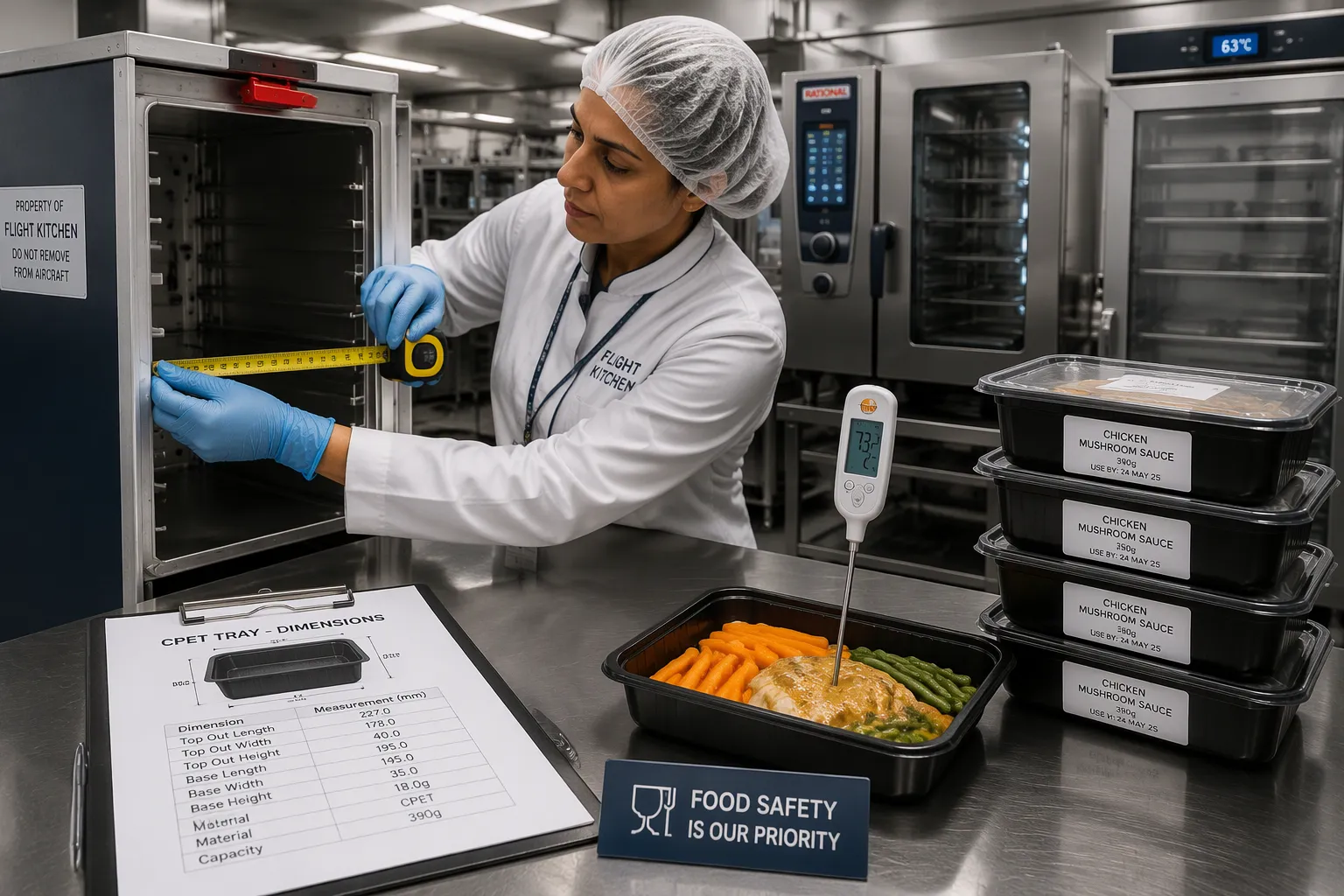
Performance begins with the temperature envelope. A CPET tray covers freezer storage at −40 ℃ through oven reheating at 220 ℃, which spans the full journey from blast chiller to galley oven to passenger-side warming. Confirm the envelope against your own reheating map before you compare any other specification.
Match Cart and Oven Dimensions
Confirm Atlas compatibility first, then measure what is non-standard. Record the internal width, depth, and height of every cart, oven rack, and holding cabinet in your fleet, and record the same figures for the tray. A tray that clears the cart rail by a few millimeters can jam once the cart is full and the aircraft is moving. Oven clearance deserves the same scrutiny: a tray that sits too close to a heating element overheats at the edges while the center stays cool.
Build a simple dimension sheet for each candidate CPET tray. List external length, external width, external height, and usable internal capacity. Compare each figure against the tightest constraint in your operation, not the average one. A tray that fits most carts but not the narrowest one forces a separate loading plan, and that plan costs time on every turnaround.
Check Heat Behavior and Stacking
A tray contributes little to holding temperature; the cart and its dry ice or chilled plates do that work. What the tray does change is how fast the food surface loses heat once the meal leaves the oven, and here a CPET tray's low thermal conductivity slows surface cooling compared with aluminum. Validate the serving window directly: reheat a loaded tray, hold it in a cart, and probe the center temperature at intervals through your typical service. Repeat with each candidate. The result tells you whether the meal stays in specification until the last row is served.
Stacking behavior follows the same test-first logic. Measure the loaded stack height, not the empty one, because a deep nesting profile saves space when empty and loses that advantage when full. Check stack stability as well: a stack that shifts during turbulence can crush seals and spill contents. Run a tilt test on a full stack and observe how the trays behave.
Compare Capacity and Compartment Layout
Compare trays by food type, portion weight, usable capacity, tray depth, and compartment layout. A shallow CPET tray suits a light portion, a deeper tray suits a sauced main with a side, and compartment count changes the menu you can serve.
Configuration | Primary use |
|---|---|
One compartment | Single-dish mains, sauced entrées, ready meals with mixed components |
Two compartments | A main plus one side, or a hot item plus a cold item |
Three compartments | Full meal service with separate main, side, and dessert or salad |
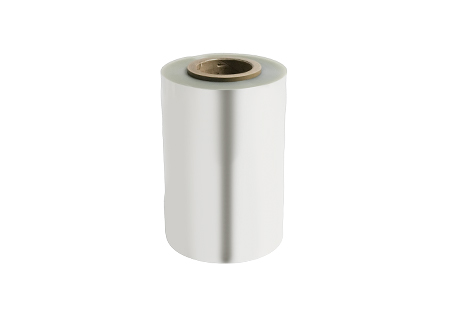
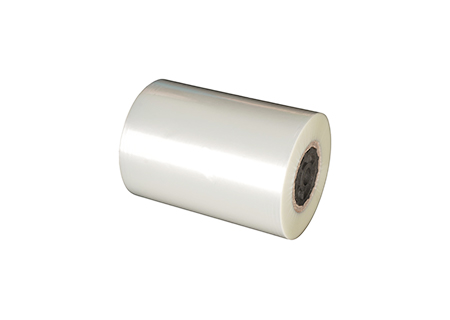
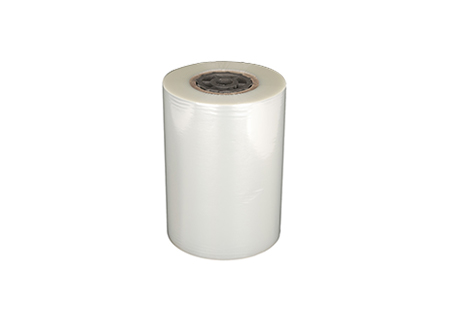
Seal integrity completes the performance picture. Sealing films for PET, CPET, and PP trays provide airtight, leakproof barriers when the film grade matches the tray material. Test the seal after freezing, after reheating, and after a tilt. Seal strength per ASTM F88 measures how much force the bond takes, while dye penetration per ASTM F3039 shows whether and where it leaks; the two tests answer different questions, and a qualification file needs both.
Need trays built to Atlas dimensions with matched sealing film and test data?
Get a QuoteVerify Safety and Compliance
Check Certifications
Food-contact materials carry legal weight. Ask every supplier for documentation that covers the specific tray material and the specific production site. For CPET sold into the United States, the relevant food-contact regulation is 21 CFR 177.1630 on polyethylene phthalate polymers, which includes conditions of use for oven cooking above 250 °F. EU-bound trays answer to EU 10/2011, and China-bound packaging to GB 4806. SGS test reports support each claim, and ISO 9001 certification covers the plant, not the polymer.
Review the documents for scope and date. An expired certificate or a report that lists a different resin grade leaves a gap in your compliance file. Request the declaration of compliance for food-contact use, and confirm it names the tray and the intended service conditions. Keep these records on file for each shipment lot, because auditors and airline customers increasingly ask for them during supplier reviews.
A tray is only compliant for the reheating path its documentation covers. A report for chilled service does not automatically clear the same CPET tray for oven use.
Confirm Seal Integrity
Migration limits and temperature performance belong in the test record. Ask for migration test reports against the food-contact standard your market applies, then ask for temperature and seal test data on the CPET ready meal tray and film combination you plan to buy. A report run at a lower temperature than your galley oven reaches tells you little about real performance.
Seal integrity deserves its own test data. Package seal testing methods such as vacuum decay detect leaks that peel-strength checks miss, so request both kinds of results. Confirm the tests cover freezing, reheating, and handling stress, then run your own verification: fill a sample CPET tray, seal it, freeze it, reheat it, and tilt it, inspecting the bond at every step. A supplier who shares complete reports and welcomes your sample trial gives you a compliance file you can defend.
Plan Cost and Supply
Balance Tooling and Volume
Custom molds and material-formula development carry upfront costs. Weigh those costs against your expected order volume before you commit. A low-volume program may not justify a dedicated mold; a high-volume program often recovers tooling quickly through consistent CPET tray quality and fewer loading problems.
One-stop suppliers that integrate sheets, containers, films, and machinery simplify sourcing and stabilize capacity. A single partner can align tray dimensions with film specifications and sealing equipment, which reduces mismatch risk and shortens the path from sample to production. When you choose CPET trays through an integrated supplier, you also gain a clearer view of lead times across the whole package.
Vet Suppliers and Total Cost
Delivery speed and customization support matter as much as unit price, because a lower unit price can hide slow restocking, poor mold support, or inconsistent film matching. Total cost per meal captures the tray, the lidding film, tooling amortization, freight, and the waste from failed seals. Compare suppliers on that full figure, and ask each one to show how its number is built.
Ask each supplier for delivery lead times, sample turnaround, and customization terms. Then run a small trial order and measure seal failure rates and loading time. Those results tell you more about total cost than any price list.
The decision sequence is straightforward. Define operational requirements first. Match material to the reheating path next. Evaluate size and performance, verify compliance, then plan cost and supply. Each step builds on the one before it.
CPET delivers its intended results when specifications match the actual reheating and handling path. A CPET tray built for cook-chill service performs differently from one built for cook-freeze, so treat the temperature envelope and Atlas dimensions as fixed constraints, not preferences.
Build a short checklist from these criteria, request samples, and run your own freeze, reheat, and tilt tests; choose CPET trays only after the samples pass. HUISU QINYE has run 12 factories and more than 40 production lines since 2008, supplying CPET, PET, and PP sheets, trays, sealing films, and sealing machines as one system. If your program needs that combination, our team can quote tray, film, and machinery together against your actual handling path.
Send us your reheating path, cart standard, and meal format. We will match the tray, film, and sealing window to it.
Contact UsFAQ
Are CPET trays safe for both conventional ovens and microwaves?
Yes. CPET is dual-ovenable, so the material handles conventional oven heat and microwave reheating in the same tray. Confirm the temperature envelope against your own galley equipment before purchase, and ask the supplier for test reports that cover your actual reheating method.
What temperature range do CPET trays handle?
CPET trays withstand freezer storage down to −40 ℃ and oven heat up to 220 ℃, covering blast chilling, cold room holding, and galley reheating. Verify the envelope against your delivery path: the FDA Food Code sets cold holding at 41 °F (5 ℃) or below and hot holding at 135 °F (57 ℃) or above, and many airline specifications tighten those floors to 40 °F and 140 °F.
Which sealing films work with CPET trays?
Sealing films are available for PET, CPET, and PP trays, and the film grade must match the tray material. A matched film provides an airtight, leakproof barrier across the sealing surface. Test the bond after freezing, reheating, and a tilt, and check seal strength per ASTM F88 alongside a dye penetration test per ASTM F3039.
How many compartments should a CPET tray have?
Compartment count follows the menu. One compartment suits single-dish mains and mixed ready meals. Two compartments fit a main plus one side. Three compartments support full meal service with a separate main, side, and dessert or salad.
What documentation should I request from a CPET tray supplier?
Request the declaration of compliance for the food-contact standard in your market: 21 CFR 177.1630 for the United States, EU 10/2011 for Europe, or GB 4806 for China. Ask for migration test reports and temperature and seal test data that cover your reheating path, supported by SGS lab reports, and confirm the producing plant holds ISO 9001 certification. Each document should name the product you will actually receive and remain current.